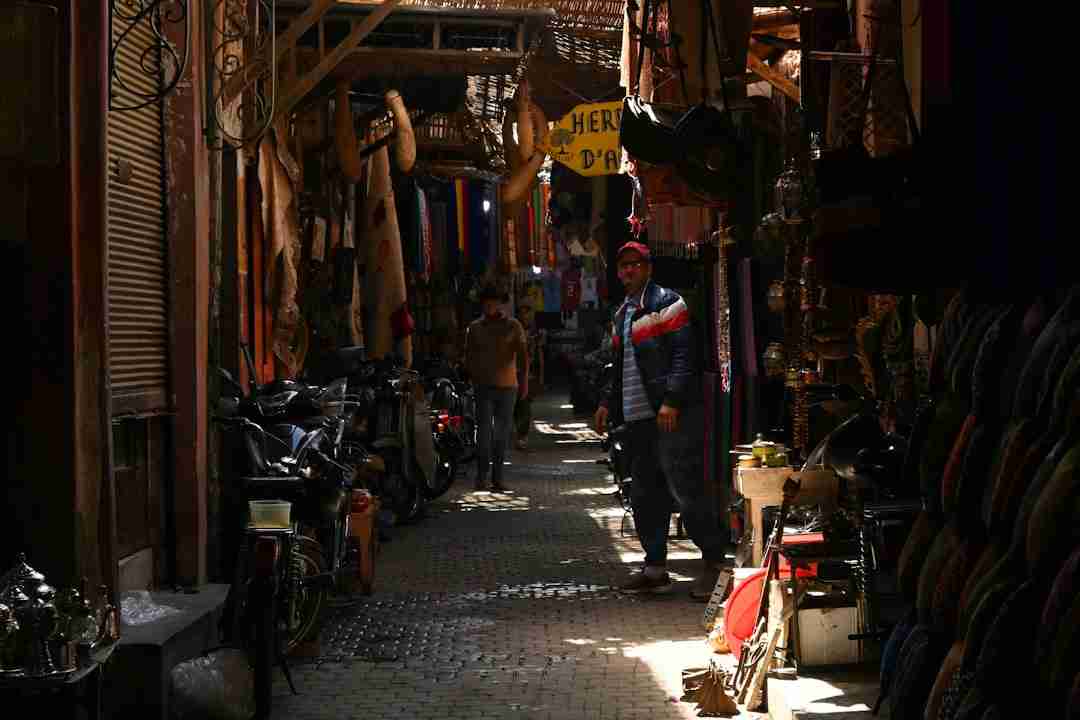
Imagine stepping into a bustling local market in Marrakesh. The air is filled with the aroma of spices, the chatter of vendors, and the vibrant colors of textiles. It's your first cultural shopping adventure abroad, and the experience is both thrilling and overwhelming. Many find themselves eager to explore but unsure how to navigate this new terrain effectively. The key to a successful market experience lies in preparation, understanding local customs, and knowing how to engage with vendors.
Understanding Market Dynamics: The Art of Haggling
Not all markets operate under the same principles, and understanding these nuances can make a significant difference. In many parts of the world, haggling is not just accepted—it's expected. The process can be intimidating for someone unfamiliar, but it’s also an opportunity to immerse oneself in the local culture. According to experts, the first rule of haggling is to do so with respect and humor. Begin by offering half of the quoted price, then work towards a mutually agreeable figure.
In markets like Istanbul's Grand Bazaar, where this practice is a part of daily life, vendors often appreciate when shoppers engage in the tradition. Remember, this isn’t just about price; it’s a social interaction. The key takeaway? Approach haggling as a cultural exchange rather than a financial transaction. To enhance your skills, consider observing locals as they negotiate; their techniques and strategies can provide valuable insights.
Cash is King: Managing Money and Currencies
In many local markets, cash is the preferred method of payment, and you'll often find that vendors may not accept cards. It’s essential to know the local currency and have a good grasp of conversion rates. Before heading out, consider visiting a currency exchange or using an ATM that dispenses local currency. Apps like XE Currency can be invaluable tools for checking live exchange rates and ensuring you're getting a fair deal.
Small denominations are particularly useful; vendors might not always have change for larger notes. Some travelers suggest carrying a mix of currencies, especially in border areas where multiple currencies might be accepted. Ultimately, being prepared with cash can save both time and potential frustration, ensuring smoother transactions. Remember to store your cash discreetly and in different locations on your person to mitigate the risk of loss or theft.
Local Language: A Key to Unlocking Doors
A little effort in learning the local language goes a long way. Even basic greetings or phrases like “How much?” or “Thank you” can make interactions smoother and more enjoyable. Language apps such as Duolingo or Babbel can help travelers pick up essential phrases quickly.
For example, in a market in Seoul, knowing how to say “Hello” (안녕하세요 – annyeonghaseyo) or “Thank you” (감사합니다 – gamsahabnida) can endear you to the vendors and might even lead to better prices. The effort shows respect for the culture and fosters goodwill, creating a more authentic experience. To further enhance communication, consider carrying a small phrasebook or downloading offline language packs to assist in areas with limited internet connectivity.
Timing Your Visit: When to Shop for the Best Experience
Timing can dramatically affect your market experience. Early mornings are often less crowded, providing a more relaxed environment to browse. Vendors may be more accommodating as they start their day with a fresh mindset. Visiting later in the day can also have its perks; in some markets, sellers are eager to clear out inventory and might offer discounts.
However, cultural events or local holidays can affect market schedules. It's worth researching any such occurrences before planning your visit. For instance, many markets in Middle Eastern countries close during prayer times, and knowing these nuances can help you plan effectively. The takeaway here is clear: a little planning goes a long way in enhancing your shopping adventure. Additionally, consider the weather conditions during your visit, as extreme temperatures might influence your comfort and the market's atmosphere.
Respecting Cultural Norms: Dress and Behavior
Cultural sensitivity is paramount when visiting markets abroad. Dressing modestly and behaving respectfully can prevent misunderstandings and show appreciation for local customs. In many cultures, particularly in conservative regions, attire plays a significant role in how one is perceived. For example, covering shoulders and knees might be required in markets in parts of Asia and the Middle East.
Moreover, always ask for permission before taking photos, especially of people. It’s a small courtesy that can make a big difference in how you’re received. Understanding and respecting these norms not only enriches your experience but also leaves a positive impression. Consider researching specific cultural taboos or gestures that could be offensive to ensure your behavior aligns with local expectations.
The Role of Local Guides: Enhancing Your Experience
Hiring a local guide can be an excellent investment for those new to a region. Guides offer insights into the best stalls, help navigate language barriers, and provide historical context that enriches the shopping experience. Many travelers report that guides can lead to hidden gems that might otherwise be overlooked.
In markets like Mexico City's La Merced, a guide can help you uncover unique local delicacies and artisanal crafts. Websites like GetYourGuide offer a variety of options for different markets around the world. The guidance can transform a simple shopping trip into a cultural education. Furthermore, guides can offer safety tips and identify areas to avoid, ensuring a secure and enjoyable experience.
Practical Tips and Tricks for a Smooth Market Experience
Bringing essentials can make a huge difference in comfort and convenience. A sturdy tote bag or backpack is vital for carrying purchases. Keeping a reusable water bottle helps stay hydrated, especially in warmer climates. Comfortable shoes are a must, as market visits often involve a lot of walking.
Keep valuables secure and be mindful of your surroundings to avoid pickpocketing, which is a concern in crowded places. Travel experts often recommend using a money belt or a hidden pouch for added security. Consider bringing a portable phone charger to ensure your device remains operational for navigation and communication throughout the day.
Finally, pace yourself. Markets can be overwhelming, with a sensory overload of sights, sounds, and smells. Take breaks, enjoy a local snack, and soak in the atmosphere. These moments of pause can provide a deeper appreciation for the vibrant tapestry of local life. Consider finding a quiet corner or café to rest and reflect on your experiences, allowing the day's discoveries to truly resonate with you.
Take Action: Your First Step to Mastering the Market
Embarking on a cultural shopping adventure abroad is about more than just acquiring goods; it's about engaging with a new culture on a personal level. By understanding market dynamics, managing money wisely, respecting local customs, and considering the role of a local guide, you’re setting the stage for a memorable experience.
Start today by researching the market you plan to visit. Look up any cultural norms, download relevant apps, and consider brushing up on key phrases in the local language. These small steps can lead to a richer, more rewarding journey.
Ultimately, the local market is a microcosm of the community it serves. It's where traditions, commerce, and daily life intersect. By stepping into this world with preparation and respect, you’re not just shopping—you’re connecting with the heart of a culture.