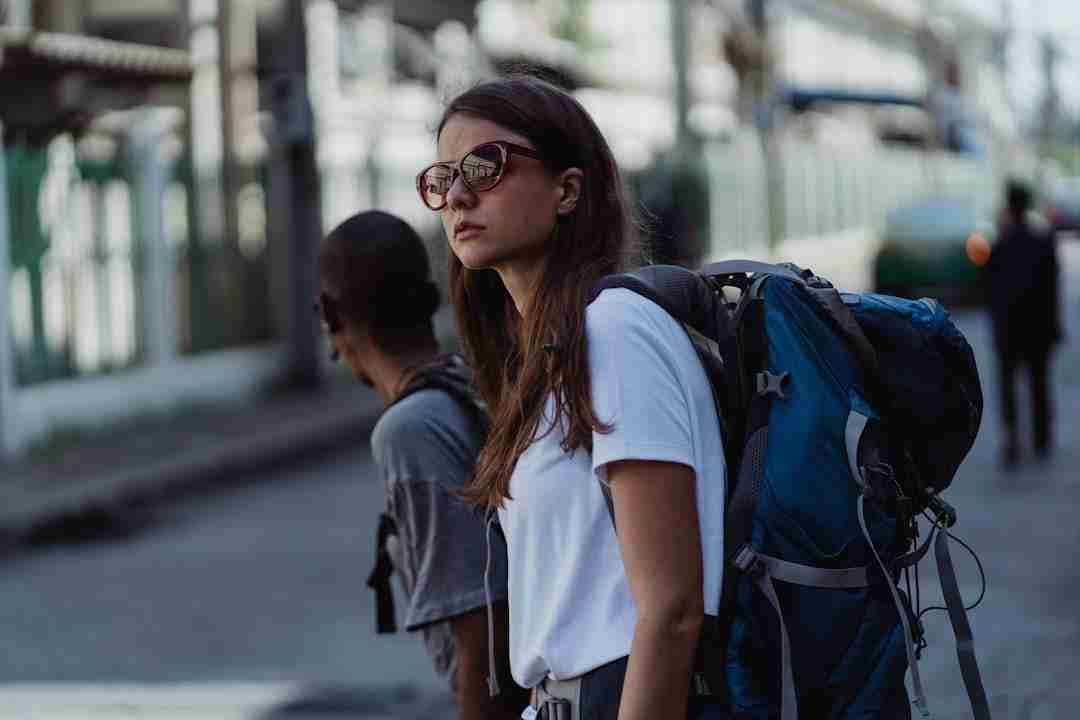
Imagine this: You’re lounging on a sun-soaked beach with your laptop, sipping a fresh coconut, and working just enough to fund your next adventure. Life as a digital nomad sounds like a dream, doesn’t it? But here’s the catch—many who set out on this path find themselves stumbling and eventually giving up. Why? Because the fantasy often overshadows the gritty reality. And the reality is, this lifestyle isn’t quite as glamorous or carefree as Instagram might lead you to believe.
Getting Started Without the Overwhelm
When I first considered becoming a digital nomad, I was overwhelmed by the sheer number of things I had to figure out. How do I find reliable Wi-Fi in a remote village? What about visas and taxes? And, can I really fit my entire life into a suitcase? The truth is, getting started can feel like trying to build a plane while you’re flying it.
Here’s what I’ve noticed: many people dive in headfirst without a plan. They quit their jobs, buy a one-way ticket, and think they’ll figure it out along the way. Sometimes this works, but more often, it leads to stress and burnout. It’s crucial to have a basic framework before you embark on this journey. You don’t have to map out every detail, but having a rough blueprint can save you a lot of headaches.
Take the example of my friend, Alex, who decided to leave his corporate job in New York to pursue a life of travel while freelancing. He spent months researching potential destinations, understanding visa requirements, and connecting with other digital nomads online. Alex’s preparation paid off when he landed in Chiang Mai, Thailand, a popular hub for digital nomads, and was able to hit the ground running without the stress of logistical nightmares.
The Problems You’ll Actually Face
Let’s talk about some of the real challenges. First up, connectivity. I once spent a week in a tiny village in Indonesia where the internet was as slow as molasses. It was beautiful, serene, a slice of paradise—until I had to join a video call. The point is, reliable Wi-Fi isn’t a given everywhere, and it’s something you absolutely need to consider.
In a similar vein, my colleague Sarah experienced significant setbacks during her stint in rural Vietnam. She was in the middle of a crucial project deadline when the internet connection failed for two consecutive days. Her solution was to hire a motorbike and travel to the nearest town with a reliable connection, which cost her time and money she hadn’t budgeted for.
Then there’s the issue of loneliness. Sure, you meet people along the way, but relationships can be fleeting. You’re constantly saying goodbye, which can be emotionally draining. And let’s not forget the time zone headaches when trying to coordinate with clients or team members back home. It can feel like you’re constantly playing catch-up.
James, a software developer from Canada, shared his experience of isolation while working from the Canary Islands. Despite the stunning landscapes and vibrant culture, he found it hard to form lasting connections. The language barrier and cultural differences made it challenging to integrate. Eventually, James joined a co-living space that catered to digital nomads, which helped him find a sense of community and alleviate loneliness.
When This Approach Doesn’t Work
But does this lifestyle work for everyone? Not exactly. If you’re someone who thrives on routine and stability, the nomadic life might be more stress than it’s worth. In my experience, the constant change can be both exhilarating and exhausting. Some people find they miss having a permanent home base—a place where they can relax without thinking about their next move.
Consider the story of my friend Lucy. She set off to explore Southeast Asia with dreams of working from lush beach resorts. But she quickly realized she missed her family and friends far more than she anticipated. After six months, she returned home, craving the familiar comforts she once took for granted. Her experience taught me that being a digital nomad isn’t just about escaping—it’s about finding where you truly belong.
Similarly, Robert, a graphic designer, found that the lack of structure hindered his productivity. He thrived in his routine back home and struggled to adapt to the unpredictability of life on the road. After a year, he decided to return to his hometown and set up a remote work arrangement that allowed for occasional travel without the constant upheaval.
My Experience With This
My own journey as a digital nomad has been a rollercoaster. There have been breathtaking highs—like hiking through the mountains of Peru after a productive remote work session. And there have been lows—such as the time I had to work from a noisy café in Vietnam because my Airbnb’s Wi-Fi was down.
One thing I’ve learned is that adaptability is key. You have to be ready to roll with the punches and accept that not everything will go according to plan. Flexibility becomes your best friend, and over time, you learn to embrace the chaos instead of fighting it.
I remember a particularly challenging period when I was working from a bustling city in India. The constant noise and lack of personal space were overwhelming. To cope, I took up meditation and sought quieter spaces, like local parks, to find balance amidst the chaos. These experiences taught me resilience and the importance of self-care in maintaining mental well-being.
The Reality Check
Here’s the reality check: being a digital nomad isn’t a permanent vacation. It’s a lifestyle that requires serious dedication, discipline, and a willingness to face unexpected challenges. You have to work just as hard, if not harder, than you would in a traditional office setup. The difference is, your office view might change every few weeks.
Also, let’s talk money. Many nomads struggle with the financial side of things. It’s not just about making enough to get by; you need to save for emergencies, unexpected expenses, and maybe even retirement. And if you’re not careful, the cost of living can add up quickly, especially in popular digital nomad hotspots.
Take the case of Emily, a freelance writer who underestimated the cost of living in Bali, a renowned digital nomad destination. She found herself dipping into her savings more than anticipated due to unforeseen expenses like medical bills and higher accommodation costs during peak tourist season. Emily learned the importance of budgeting meticulously and setting aside a financial cushion to navigate such uncertainties.
Making the Switch
So, how do you make the switch without falling flat on your face? Start small. Test the waters with short trips before fully committing to the lifestyle. This can help you figure out what works for you and what doesn’t. Maybe even try working remotely for a few months from a different city in your own country to get a feel for the nomadic rhythm.
Another tip: network with other digital nomads. There are countless online communities where you can find support, advice, and maybe even some friends to meet up with on the road. The sense of community can really help when you’re feeling isolated or overwhelmed.
For example, joining forums like Nomad List or Facebook groups dedicated to digital nomads can provide valuable insights and firsthand experiences. Mark, a digital marketing consultant, found a mentor through these networks who guided him through the initial challenges, helping him avoid common pitfalls and build a sustainable lifestyle.
What I Wish I’d Known
There are a few things I wish I’d known before starting out. First, pack light. Seriously, you don’t need half the stuff you think you do. Also, invest in a good VPN for secure internet access, and always have a backup plan for when things go wrong—because they will.
Lastly, understand that this lifestyle is not a one-size-fits-all solution. It’s okay to change your mind, pivot, or even decide that the nomadic life isn’t for you. There’s no failure in choosing what truly makes you happy, whether that’s a life on the road or settling down in one place.
Lisa, a web developer, discovered that she thrived in a hybrid model. She spends part of the year traveling and the rest working from a home base in Barcelona. This balance allows her to enjoy the best of both worlds—exploration and stability—without compromising her career or personal relationships.
Finding Your Own Path
Ultimately, being a digital nomad is about finding freedom and flexibility on your own terms. It’s a chance to blend work and travel in a way that suits your personal goals and desires. But it’s not a magic bullet for happiness or fulfillment. You’ll have ups and downs, just like any other lifestyle.
The journey is uniquely yours, and it’s okay if it doesn’t look like anyone else’s. If you’re considering taking the leap, go in with your eyes wide open and a willingness to adapt. The world is a big place with plenty of opportunities—and challenges—waiting for you. Embrace them, learn from them, and make the experience your own.
In the end, the path to becoming a successful digital nomad is as diverse as the individuals who embark on it. Whether you choose to roam indefinitely, settle into a new community, or strike a balance between travel and home, the key is to find what truly resonates with you. Remember, it’s not about living someone else’s dream, but crafting a lifestyle that brings joy, purpose, and fulfillment to your life.