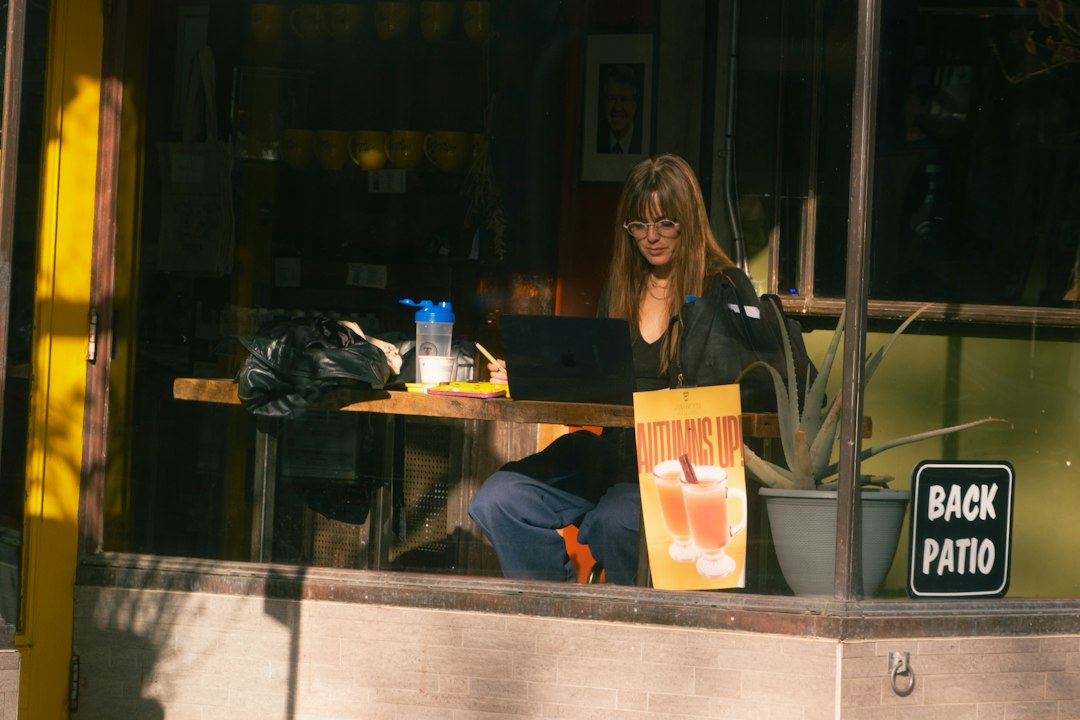
Imagine sipping coffee in a bustling café in Tokyo as cherry blossoms fall gently outside, while simultaneously leading a team meeting with colleagues scattered across different continents. This isn't a scene from a futuristic novel—it's the reality for many who have embraced the remote work lifestyle. With the right tools and mindset, your living room can transform into a global office, offering the freedom to work from virtually anywhere in the world.
The Rise of Digital Nomads: A $1.3 Trillion Economy
Digital nomadism isn't just a trend; it's a booming economy. According to a recent study, the digital nomad market contributes a whopping $1.3 trillion annually to the global economy. This staggering figure highlights the shift in traditional work paradigms. More professionals are opting to swap their desk for a beachside bungalow or a mountain cabin, driven by the promise of adventure and flexibility.
The allure of remote work is clear. Professionals no longer need to be tethered to a single location, and companies are increasingly recognizing the benefits of a distributed workforce. But it's not just about the freedom to travel; it's also about tapping into a larger talent pool and reducing overhead costs. For those considering this lifestyle, it's crucial to weigh the pros and cons. While the freedom is enticing, challenges like time zone differences and maintaining productivity in new environments require careful consideration.
Essential Tools for a Seamless Remote Work Experience
To effectively turn your living room into a global office, certain tools are indispensable. A reliable internet connection is, of course, non-negotiable. But beyond that, platforms like Slack and Zoom facilitate seamless communication with teams. These tools are vital for maintaining the human connection that's often lost in virtual settings.
Project management tools such as Trello and Asana help in organizing tasks and keeping track of deadlines. They allow team members to collaborate in real-time, ensuring everyone stays on the same page. For document sharing and collaboration, Google Drive remains a popular choice, offering both storage and collaborative document editing features.
The integration of these tools into daily workflows not only enhances productivity but also ensures that the transition from a traditional office to a remote setup is as smooth as possible. Professionals note that investing time in learning these tools pays off in the long run by saving time and reducing miscommunication.
Finding the Perfect Workspace: From Home to Co-working Spaces
Not everyone thrives in the solitude of their home office. Some find the ambient noise of a café invigorating, while others prefer the structured environment of a co-working space. The key is to identify what environment fosters the most productivity and creativity for you.
Co-working spaces are sprouting up in cities around the world, offering flexible memberships and a community of like-minded individuals. These spaces often come equipped with high-speed internet, meeting rooms, and networking opportunities. Websites like Coworker can help you find a co-working space that fits your needs, whether you're in Bangkok or Berlin.
For those who prefer working from home, setting up a dedicated workspace can make a significant difference. This doesn't necessarily mean a separate room; even a well-organized corner with ergonomic furniture can suffice. The goal is to create a space where work and home life don't blur together, maintaining a healthy work-life balance.
Managing Time Zones and Work-Life Balance
Working remotely often means collaborating with colleagues across different time zones. This can be both a blessing and a curse. While it allows for a follow-the-sun model where work continues around the clock, it also demands a higher level of coordination and flexibility.
Time management tools like World Time Buddy can be invaluable in scheduling meetings across time zones. It visually compares different time zones and helps find suitable meeting times for all parties involved. However, it's equally important to set boundaries. Professionals emphasize the need to establish a clear start and end to the workday to prevent burnout.
Another aspect to consider is maintaining a work-life balance. It can be tempting to keep working late into the night, especially when living in an exciting new city. Setting boundaries and sticking to a routine helps ensure that work doesn't encroach on personal time.
The Impact of Remote Work on Mental Health
The freedom of remote work comes with its own set of challenges, particularly concerning mental health. The absence of daily human interaction can lead to feelings of isolation and loneliness. It's vital to prioritize mental well-being alongside work responsibilities.
Regular video check-ins with colleagues can help mitigate feelings of isolation. Many find that participating in online communities related to their field offers both networking opportunities and a support system. Additionally, taking breaks to step outside and engage in physical activity can significantly impact one's mental health positively.
Remote work also offers the flexibility to tailor one's day to personal needs, which can greatly enhance mental well-being. Whether it's starting the day with a yoga session or taking a midday walk, the ability to incorporate wellness practices into the daily routine is a significant advantage.
Stories from the Road: Real-Life Experiences
Many remote workers have fascinating tales of the places they've worked from. Take the case of a software developer who coded from a hammock in Bali, or a marketing consultant who conducted client meetings from the serene shores of Lake Como. These stories highlight the diverse experiences that the remote work lifestyle can offer.
However, it's not always as glamorous as it seems. Challenges like unreliable internet connections in remote areas or finding a quiet place to work in bustling tourist destinations can present hurdles. It's about adapting and finding creative solutions. For instance, some have learned to tether their phones for internet access or strategically plan work hours around local electricity outages.
These stories also underscore the importance of flexibility and resilience. The ability to adapt to new environments and solve unexpected challenges is integral to thriving as a remote worker. It's about embracing the unpredictability and learning from each unique experience.
How to Start Your Own Remote Work Journey Today
Ready to take the plunge into remote work? Start by assessing your current job and its potential for remote flexibility. Many roles can be adapted to a remote model with the right tools and mindset. If your current job doesn't offer this flexibility, consider seeking out companies known for their remote-friendly policies.
Websites like Remote.co and We Work Remotely list numerous remote job opportunities across various industries. Tailoring your resume to highlight skills that are particularly valuable in remote work settings, such as self-motivation and strong communication skills, can increase your chances of landing a remote position.
Once you've secured a remote role, start by creating a conducive work environment at home. Invest in the necessary technology and plan for potential challenges, such as time zone differences or internet connectivity issues.
The reality is that turning your living room into a global office is more achievable than it might seem. By embracing the tools and mindset of a remote worker, you can enjoy the freedom and flexibility that comes with this lifestyle. So why not start today and explore the world from the comfort of your own home?