In the midst of an ever-inflating housing market, many find themselves scrambling to secure a cozy corner they can call home. The challenge isn't just finding the perfect place but affording it without breaking the bank. With the cost of housing soaring in many urban areas, individuals and families are increasingly looking for creative solutions. Whether it's rethinking living arrangements or exploring alternative housing options, there's a path forward even in this competitive environment.
Exploring Shared Living Spaces: A Growing Trend
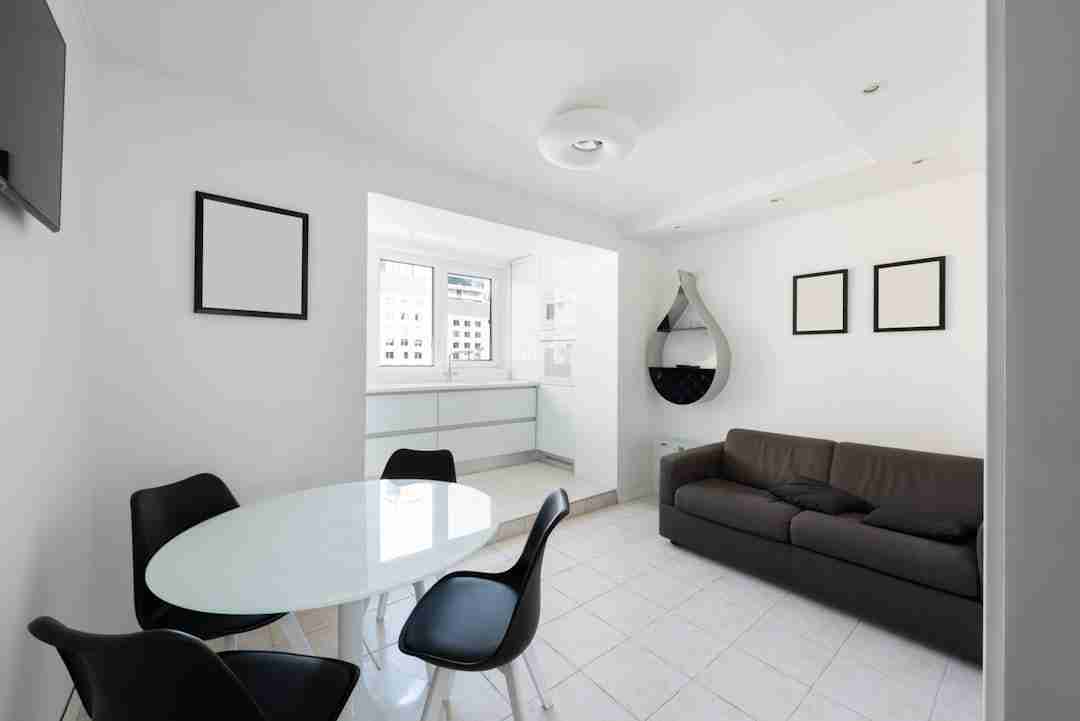
Shared living spaces have emerged as a popular option, especially in bustling cities where rent costs are notoriously high. Co-living arrangements allow individuals to split the cost of housing while enjoying the benefits of communal living. This setup is particularly appealing to young professionals and students who value both affordability and social interaction.
A typical co-living space might include private bedrooms with shared common areas such as kitchens and living rooms. For example, a 5-bedroom co-living apartment in San Francisco could cost around $1,200 per month per person, significantly less than renting a one-bedroom apartment, which averages $3,500. Companies like Common and Ollie specialize in these arrangements, offering fully furnished spaces with utilities and amenities included.
The main advantage is cost reduction, but co-living also offers networking opportunities and a sense of community. Residents often engage in organized social events, group activities, and shared meals, fostering a supportive environment. However, it's essential to consider privacy needs and compatibility with roommates before committing to this lifestyle. Selecting the right co-living arrangement involves assessing your personal preferences, such as noise levels, cleanliness standards, and lifestyle habits, to ensure a harmonious living experience.
The Tiny House Movement: Downsizing for Affordability
The tiny house movement has gained traction as people seek affordable housing solutions that don't compromise on quality of life. These compact homes, often measuring between 100 and 400 square feet, offer a minimalist lifestyle that's both cost-effective and environmentally friendly.
Building a tiny house can range from $20,000 to $60,000, depending on design and materials. This upfront investment is often less than the down payment on a traditional home. Moreover, the ongoing costs are lower, with reduced utility bills and minimal maintenance. Owners can personalize their tiny homes with custom designs and sustainable features, like solar panels or rainwater collection systems, further enhancing cost savings and sustainability.
Tiny houses can be placed on a piece of land or within a tiny house community. Websites like Tiny House Listings provide options for buying or renting these small dwellings. However, zoning laws can be a hurdle, so it's crucial to research local regulations before embarking on this path. Some municipalities have begun to adapt regulations to accommodate tiny homes, recognizing their potential to address housing shortages. It's wise to consult with local planning authorities and tiny house advocacy groups to understand your area's specific requirements.
Digital Nomadism: Embracing Flexibility and Affordability
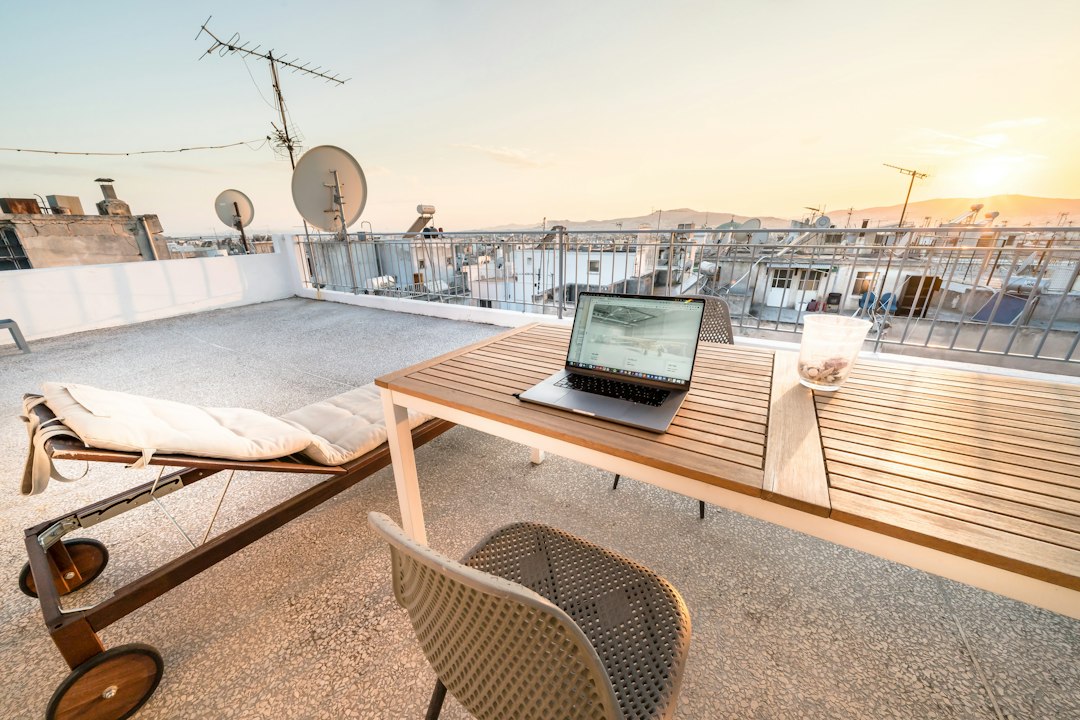
For those not tied to a specific location, digital nomadism offers an alternative to traditional housing. By working remotely, individuals can travel and live in various places, often opting for areas with a lower cost of living.
Digital nomads typically use platforms like Airbnb or Nomad List to find short-term accommodations that fit their budget. For instance, while a one-bedroom apartment in New York City may cost $3,000 per month, a similar space in Lisbon might be available for $1,000.
This lifestyle provides flexibility and the chance to explore different cultures. However, it requires careful planning to manage travel logistics and ensure stable internet connectivity for work purposes. Consider investing in a reliable mobile internet solution and researching co-working spaces in your destination to maintain productivity. Additionally, budgeting for travel insurance and understanding visa requirements for extended stays in foreign countries are essential steps in successfully navigating the digital nomad lifestyle.
Accessory Dwelling Units: Maximizing Existing Property
Accessory Dwelling Units (ADUs), also known as granny flats or in-law suites, offer a practical solution for increasing housing availability without the need for new land. By adding a small, self-contained unit to an existing property, homeowners can create additional living space for family members or rent it out for extra income.
Building an ADU typically ranges from $50,000 to $150,000, depending on size and location. This investment can significantly enhance property value while providing affordable housing options. Cities like Los Angeles have embraced ADUs, easing regulations to encourage their development.
Homeowners interested in this option should consult local zoning laws and consider hiring a professional to manage the construction process. For those who don't own property, renting an ADU can be a cost-effective alternative to traditional apartments. It's beneficial to explore various financing options available for ADU construction, such as home equity loans or local incentive programs, which can help offset initial costs.
House Hacking: Living and Earning Under One Roof
House hacking involves using one's primary residence to generate income, effectively subsidizing living expenses. This strategy is particularly beneficial for first-time homebuyers looking to offset mortgage costs.
Common house hacking methods include renting out a spare room on platforms like Airbnb or leasing a basement apartment. A homeowner in Chicago, for example, might rent out a bedroom for $800 per month, significantly reducing their monthly housing costs.
The key to successful house hacking is understanding local rental regulations and ensuring that the property meets safety and zoning requirements. It's also important to balance privacy with the demands of being a landlord. Establishing clear agreements with tenants and utilizing property management software can streamline the rental process and enhance the living experience for both parties.
Negotiating Rent: Strategies for Lowering Costs
In an inflated housing market, negotiating rent can be a powerful tool for reducing expenses. While it might seem daunting, many landlords are open to negotiation, especially if it means securing a reliable tenant.
To begin, research comparable properties in the area to determine a reasonable rent range. Present this information during discussions with your landlord. Offering to sign a longer lease or pay a few months' rent upfront can also serve as leverage in negotiations.
Experts recommend maintaining a polite and professional demeanor throughout the process. Even small reductions in rent can add up to significant savings over time, making this approach worth the effort. Consider discussing potential upgrades or maintenance issues that could justify a lower rent, and be prepared to show your history as a responsible tenant by providing references or a strong rental history report.
Rent-to-Own: A Path to Homeownership
Rent-to-own arrangements provide an alternative path to homeownership for those struggling to save for a down payment. This option allows tenants to rent a property with the intention to purchase it after a specified period.
During the rental term, a portion of the rent is applied toward the future purchase. For example, a tenant might pay $1,500 per month, with $300 going toward the eventual purchase of the home. This arrangement benefits those who need time to improve their credit score or save additional funds.
It's important to thoroughly review contract terms and understand the financial obligations involved. Consulting with a real estate professional can provide valuable guidance throughout the process. Pay attention to any potential penalties for not completing the purchase and have a clear understanding of maintenance responsibilities during the rental period.
Cooperative Housing: A Community-Centric Approach
Cooperative housing, or co-ops, offers a unique approach to affordable living. In a co-op, residents own shares in a corporation that owns the property, granting them the right to occupy a unit. This model is often more affordable than traditional homeownership because residents collectively manage the property, which can reduce costs through shared responsibilities and maintenance.
Co-ops are prevalent in cities like New York, where they account for a significant portion of the housing market. Potential buyers should be prepared for a thorough application process, as co-ops often have strict rules and require board approval for purchases. Benefits of co-op living include a strong sense of community and the opportunity for residents to have a say in how the building is managed.
When considering cooperative housing, it's essential to understand the financial structure, including monthly maintenance fees and the potential for special assessments. Engaging with current residents and reviewing the co-op's financial statements can provide valuable insights into the community's stability and overall living experience.
Taking Action Today: Small Steps Toward Big Savings
Finding a cozy corner in an inflated housing market isn't an easy task, but it's far from impossible. By exploring alternative living arrangements, negotiating rent, or considering new housing solutions, individuals can find ways to manage costs effectively. The key is to remain open to new ideas and proactive in seeking out opportunities.
Start by assessing your current situation and determining which options align with your lifestyle and financial goals. Research local markets, consult with professionals, and take action on strategies that resonate with your needs. With the right approach, you can make progress toward securing an affordable and comfortable living space today.