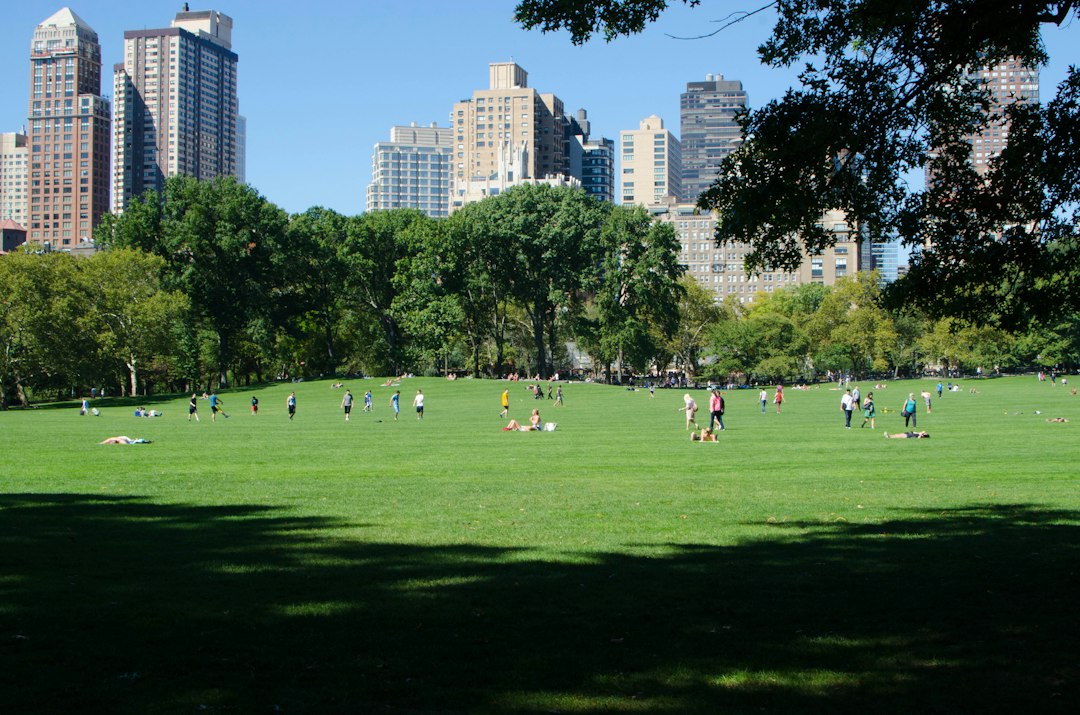
Imagine you're wandering through a bustling park in a new city. There’s a gentle breeze, the laughter of children, and the rhythmic footsteps of joggers. But you’re not just here to enjoy the scenery. You’re here to teach. Whether it's yoga, photography, or a language class, public parks offer a unique opportunity for digital nomads to share their skills, connect with locals, and earn a portable income. Teaching short workshops in public spaces can be a rewarding experience, both financially and personally.
Discovering the Right Skills for Outdoor Workshops
When choosing a skill to teach in a park, think of what you can offer that’s both engaging and manageable in an outdoor setting. Consider the interests of the local community and the resources you have at hand. Yoga classes are always a hit in parks, but don’t limit yourself to the obvious. Think outside the box: mindfulness meditation sessions, basic photography, or even a beginner's crash course in a new language. These are just a few examples of niche classes that might pique interest without being heavily crowded.
For instance, if you're skilled in crafting, a DIY crafts workshop could attract families looking for a creative outlet. Or, if you know self-defense techniques, a basic self-defense class for women could be highly beneficial and in demand. The key is to offer something unique that aligns with your expertise and can be easily delivered in a public space.
Teaching sustainability practices, such as composting or urban gardening, can also draw interest from eco-conscious individuals. These workshops not only impart valuable skills but also promote community well-being. Alternatively, if you have expertise in digital skills, consider a session on smartphone photography or social media basics, which can be appealing to various age groups.
Understanding Local Regulations and Cultural Norms
Before you set up shop in a public park, it's important to navigate the legal and cultural landscape. Start by checking if you need a permit to conduct classes in the park. Some cities are strict about commercial activities in public spaces, while others are more lenient. Visit the local council's website or contact them directly to get the necessary details.
Beyond legalities, respect the local culture. In some places, certain activities might be frowned upon in public spaces, or there might be noise restrictions. Understanding these nuances will help you avoid potential conflicts. Engaging with local expat groups or community forums can also be a great way to gather insights into the local norms and expectations.
Learn about any regional festivals or public holidays, as these can either present opportunities or challenges for scheduling. For example, hosting a cultural dance workshop during a local festival might enhance your session's appeal, while attempting to hold a class during a major holiday could result in low attendance.
Designing Workshops with Minimal Materials
When planning your workshop, simplicity is your friend. You need to focus on delivering value without relying on heavy materials or complex setups. For example, a yoga class requires nothing more than a mat, while a photography workshop might only need a camera. If you're teaching a language, a few printed materials or a whiteboard could suffice.
Keep the classes short and sweet — usually, an hour is enough. This timeframe keeps attendees engaged without losing interest. Ensure that the class content is structured but flexible, allowing for interaction and questions. The goal is to make your workshop appealing and accessible, turning curious park-goers into enthusiastic participants.
Consider incorporating elements of the natural surroundings into your teaching. For instance, use natural light and shadows in a photography class, or incorporate the sounds of nature into a meditation session. By doing so, you not only enrich the learning experience but also enhance the uniqueness of your workshop.
Filling Your Class: Guerrilla Marketing Tactics
Promoting your workshop effectively is essential to attract participants. Start by utilizing digital tools like WhatsApp and Meetup to reach potential attendees. Create a compelling event description and share it in relevant expat groups or local community forums. This approach helps you tap into existing networks without incurring marketing costs.
Flyers are another low-cost method. Design eye-catching flyers with key details and post them on community boards or cafes near the park. Word-of-mouth is powerful, so encourage attendees to bring friends. Offering a small discount for group bookings can also incentivize more sign-ups.
Social media platforms such as Instagram and Facebook can be excellent for reaching a broader audience. Post engaging content related to your workshop topic, and use local hashtags to increase visibility. Collaborating with local influencers or community leaders to promote your event can also drive interest and credibility.
Simple Payment Solutions and Gathering Feedback
Handling payments needs to be straightforward for both you and your attendees. Use mobile payment solutions like PayPal or Venmo, which allow you to collect fees easily and securely. For those who prefer cash, have a clear system to manage it.
After the workshop, gathering feedback is invaluable. A quick digital survey can provide insights into what worked well and what could be improved. Encourage honest feedback and consider offering a small incentive for completed surveys. This feedback loop helps refine your classes and boosts credibility, making future workshops more successful.
Consider offering a follow-up session or resource, such as a downloadable guide or video recap, to keep the engagement going. This not only adds value for participants but also increases the chances of them recommending your workshops to others.
Turning Park Workshops into a Thriving Business
If you find success with a few workshops, consider how you can expand this model. Perhaps you can offer a series of workshops or collaborate with local businesses to host events. Partnering with a local café for a combined coffee-and-class experience, or a nearby gym for wellness workshops, can open new avenues for income and community engagement.
Remember, the beauty of park-based workshops is their flexibility. You can experiment with different formats, times, and locations to see what resonates best. The key is to remain adaptable and responsive to the interests of your audience and the dynamics of each new location.
By embracing the potential of public spaces, you're not just teaching a skill — you're creating a community. This approach not only provides a stream of income but also enriches your travel experiences, allowing you to connect deeply with each place and its people. So, grab your gear and head to the park. The world is waiting to learn from you.
Featured photo: [Photo by Carl Newton on Unsplash](https://unsplash.com/@carl_newton?utm_source=bloggen_pro&utm_medium=referral).