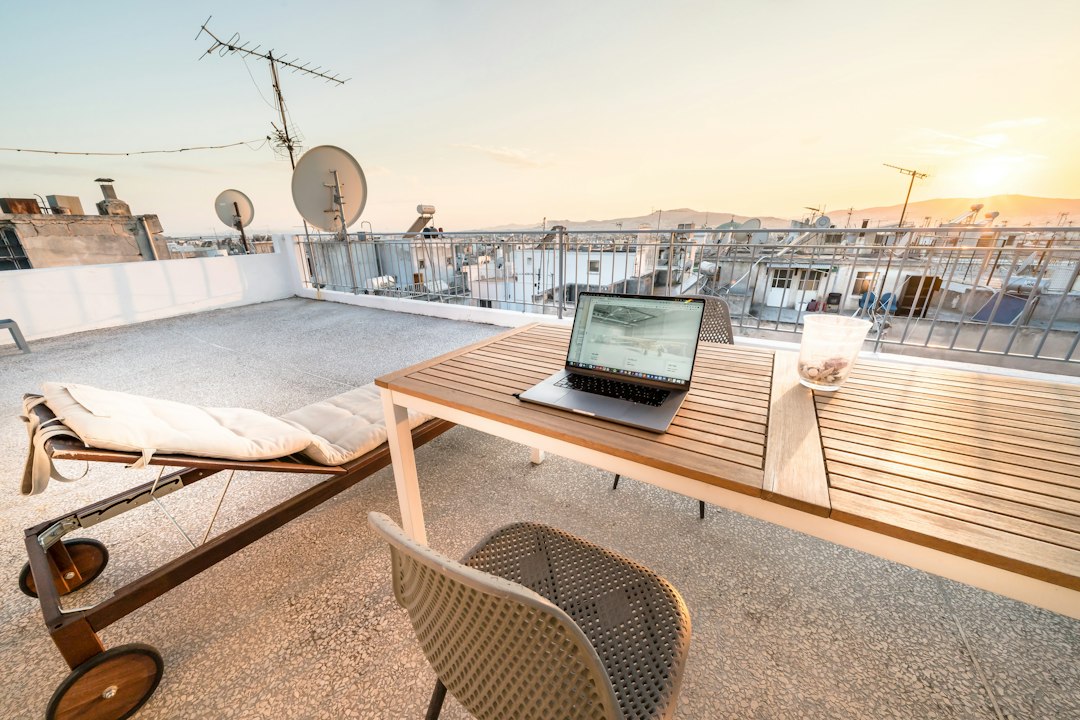
Imagine you're navigating the vibrant streets of Spain, savoring tapas one day and exploring tucked-away villages the next. Your lifestyle as a digital nomad is thrilling, but there's a nagging concern—unpredictable costs. Booking short-term accommodations can be pricey, with hidden fees and seasonal surges. But what if there was a way to maintain your adventurous spirit while keeping your budget in check?
The Home Base Hopping Strategy
Home Base Hopping is a savvy approach to living as a digital nomad, designed to blend extended stays with strategic travel breaks. This isn't about hopping from one city to another every week. Instead, it’s about finding longer-term accommodations that offer discounts and using the gaps in between for cost-effective travel or rest. By planning your stays and transitions carefully, you can enjoy a more stable lifestyle without sacrificing the thrill of exploration.
Understanding the Benefits
One of the key benefits of Home Base Hopping is the financial savings it offers. By committing to longer stays, you often qualify for discounted rates, enabling you to allocate your funds more effectively. This strategy also reduces the stress associated with constant packing and moving, allowing you to immerse yourself more deeply in local cultures and communities. You can cultivate relationships with locals and other travelers, enriching your experience and potentially even discovering hidden gems that aren't featured in travel guides.
Securing Discounted Longer-Term Stays
To make Home Base Hopping work, the first step is identifying accommodations that offer discounts for extended stays. Platforms like Airbnb often provide lower rates for monthly rentals. Look for listings that advertise these discounts directly on their pages. If you don't see any offers, don't hesitate to reach out to hosts and negotiate. Many are open to providing a better rate for a longer commitment, especially if their property isn't booked.
Timing is also crucial. Book during off-peak seasons when prices are naturally lower. For instance, European destinations can be significantly cheaper in the autumn compared to summer. Flexible check-in and check-out dates can give you an edge in negotiations. If a host knows they can fill gaps in their booking schedule with your stay, they're more likely to offer a discount.
Negotiation Tips
When negotiating with hosts, it's important to be polite yet firm. Begin by expressing genuine interest in their property and inquire about any potential for a discount. Highlight the benefits of having a long-term tenant, such as consistent income and less frequent turnover. Share your travel plans and how their property fits within them, which can help build rapport. Always have a backup plan in case negotiations don't go as expected, ensuring you're never left without a place to stay.
Making the Most of Gap Weeks
Once you've secured your longer-term accommodation, it's time to plan your gap weeks. These are the intervals between your extended stays where you can explore nearby regions or visit friends without the need for pricey accommodations. Budget-friendly options like hostels, guesthouses, or even couchsurfing can be ideal for these short periods.
For example, if your base is in Lisbon, consider using a gap week to explore Portugal's Douro Valley or hop over to nearby Spain. This not only satisfies your wanderlust but also maximizes your budget. These short trips can be relaxing breaks that refresh you before settling into a new base.
Off-the-Beaten-Path Adventures
During your gap weeks, consider seeking out lesser-known destinations that offer unique experiences. Research local festivals, food markets, or nature trails that are often overlooked by mainstream tourists. This approach not only makes for memorable adventures but also helps you avoid tourist traps where prices are inflated. Engaging with local tour guides can provide insight into the region's history and culture, adding depth to your travels.
Crafting Your Hopping Schedule
To effectively manage your Home Base Hopping, create a schedule that aligns with your work and travel goals. Use digital tools like Google Calendar or Trello to plan and track your stays and transitions. Draft a template that includes longer stays interspersed with travel weeks, ensuring there's enough flexibility to adjust plans if needed.
For a sample template, consider a two-month stay in one location, followed by a gap week of travel. Repeat this cycle while rotating through different regions or countries. This method allows you to explore widely while maintaining a sense of routine and stability.
Balancing Work and Leisure
As a digital nomad, balancing work commitments with travel is paramount. Establish a routine that prioritizes work during your longer stays, allowing you to focus on tasks without the distraction of constant movement. During gap weeks, schedule lighter workloads or take advantage of asynchronous tasks that can be completed remotely. This balance ensures productivity while still indulging in the freedom of travel.
Examples of Nomads Who've Mastered Home Base Hopping
Many digital nomads have successfully adopted the Home Base Hopping strategy, reporting significant savings on their cost of living. One hypothetical nomad might save 30% of their monthly expenses by negotiating a three-month Airbnb stay in Mexico City during the rainy season, then using gap weeks to visit nearby cultural sites.
Another might choose Southeast Asia, where extended stays in places like Chiang Mai or Bali are budget-friendly, and gap weeks can be spent exploring neighboring countries like Vietnam or Cambodia. These real-world examples demonstrate how Home Base Hopping can make a digital nomad lifestyle both affordable and sustainable.
Learning from Others
Connect with other digital nomads through online forums or social media groups. These communities are invaluable for sharing insights, recommendations, and personal experiences. Learning from others can help you avoid common pitfalls and discover strategies that have worked for others, further enriching your Home Base Hopping journey.
Practical Steps to Start Home Base Hopping
Ready to dive into Home Base Hopping? Start by selecting a few potential locations where you’d like to set up your base. Research accommodation options that offer long-term discounts and reach out to hosts to negotiate better rates. Use Airbnb and Booking.com to find suitable deals.
Next, plan your gap weeks. Identify cost-effective travel options and activities you enjoy in these regions. Whether it's hiking, local cuisine exploration, or cultural tours, ensure these activities align with your budget and interests.
Finally, create a tentative schedule. Be flexible and ready to adapt as you go. The beauty of Home Base Hopping lies in its ability to offer both stability and freedom. With thoughtful planning, you can enjoy the digital nomad lifestyle without overspending.
Featured photo: [Photo by Marc Wieland on Unsplash](https://unsplash.com/@mawiswiss?utm_source=bloggen_pro&utm_medium=referral).