As the cost of living continues to climb, many find themselves grappling with the challenge of stretching their paychecks further than ever before. The reality is, when rent, utilities, and other essentials take up a significant portion of income, grocery bills have to be managed creatively. But here's a comforting thought: creating delicious and nutritious meals on a tight budget is entirely possible, and it doesn't mean you need to subsist on instant noodles or canned soup. Instead, it's about smart planning, resourcefulness, and a little culinary creativity.
Utilizing Seasonal Produce: Savings with Fresh Flavors
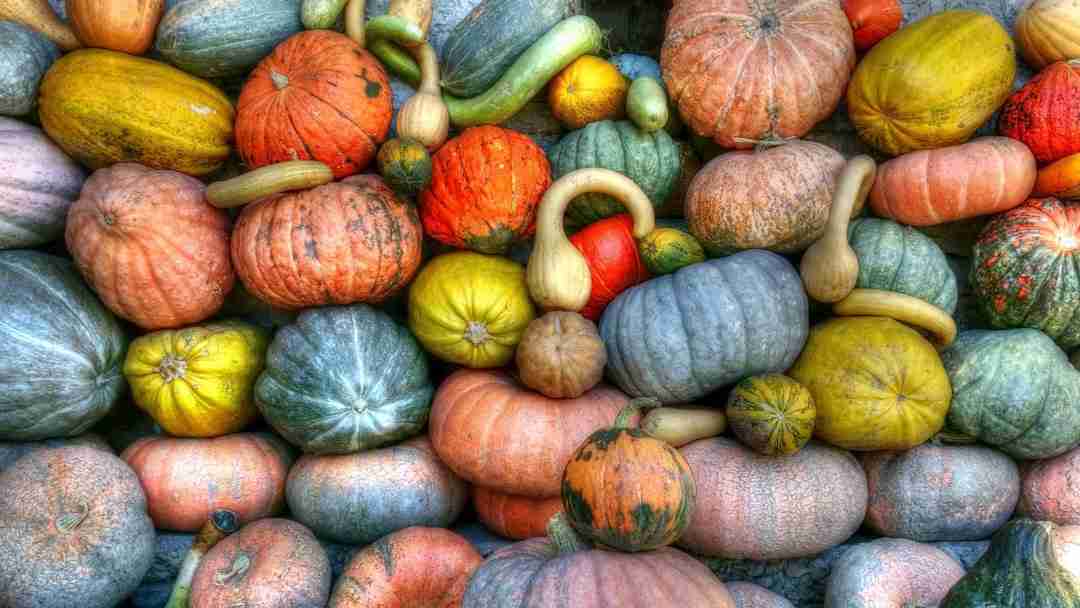
One of the most effective ways to cut down on grocery expenses is by focusing on seasonal produce. Fruits and vegetables that are in season are not only fresher and tastier but also significantly cheaper. For instance, during autumn, butternut squash and sweet potatoes become abundant and affordable. A hearty butternut squash soup can serve as a main dish for several meals and costs just a fraction of meat-centered dishes.
Farmers' markets are excellent places to find deals on seasonal produce. Often, farmers are willing to negotiate prices, especially towards the closing of the market day. It's a good idea to arrive with cash, as some vendors may offer discounts for cash transactions. And don't overlook the option of frozen produce. While fresh is ideal, frozen fruits and vegetables are often harvested and frozen at peak ripeness, maintaining nutritional value and often being more economical. For example, a bag of frozen broccoli can be used to whip up a quick stir-fry or added to casseroles for extra nutrients.
The Versatility of Beans and Lentils: Protein-Packed Powerhouses
When it comes to protein, beans and lentils are unmatched in affordability and versatility. A one-pound bag of dried beans can cost around $1.50 and yields about six cups of cooked beans, making them a staple for budget-conscious households. They're also rich in fiber, vitamins, and minerals, making them a healthy choice.
Consider dishes like bean chili or lentil stew, which can be customized with whatever vegetables or spices are on hand. These dishes are filling, satisfying, and provide the warmth and comfort of a home-cooked meal without breaking the bank. Batch cooking these meals means you can freeze portions for future use, saving both time and money. Experimenting with different types of beans, such as black beans, chickpeas, or kidney beans, can add variety to your meals. Try adding black beans to a vegetable stir-fry or making chickpea curry for a hearty dinner.
Embrace Pantry Staples: The Building Blocks of Budget Meals
Smart pantry stocking is a cornerstone of budget-friendly cooking. Staples such as rice, pasta, oats, and flour are inexpensive and provide the basis for numerous meals. A simple pasta dish with garlic, olive oil, and parmesan cheese can be a delicious dinner that costs just a few dollars. Another budget-friendly option is making homemade bread or pizza dough, which can be a fun and rewarding experience.
Inexpensive canned goods like tomatoes, chickpeas, and coconut milk can transform basic ingredients into flavorful meals. For instance, a simple tomato sauce made with canned tomatoes, garlic, and onion can serve as the base for pasta, shakshuka, or even a topping for homemade pizza. You can also use canned coconut milk to make a creamy curry or soup. Keeping a well-stocked pantry allows for flexibility and creativity in meal planning, ensuring that you can whip up something delicious at a moment's notice.
Meal Planning and Prepping: Strategies for Success
Meal planning is more than just a buzzword; it's a strategy that saves both money and time. By planning meals for the week, you can create a shopping list that targets only what's necessary, reducing impulse buys and food waste. Consider setting aside a specific day for planning and shopping to streamline the process.
Experts suggest dedicating a couple of hours each week to meal prepping. This could involve chopping vegetables, cooking grains, or portioning snacks. The payoff is substantial: less stress during the week and a reduced likelihood of resorting to costly takeout. Apps like Mealime and Yummly offer planning tools and recipe suggestions tailored to budget-friendly cooking. These apps can help you discover new recipes and ensure a balanced diet without overspending.
Embracing Leftovers: Reduce Waste, Maximize Value
Learning to love leftovers is another key aspect of stretching a food budget. When meals are cooked in larger quantities, leftovers can be reinvented into new dishes, reducing both waste and additional cooking time.
For example, leftover roasted chicken can become the star of a chicken salad or a topping for homemade pizza. Similarly, a pot of rice can be transformed into fried rice or rice pudding. This approach not only makes the most of every ingredient but also encourages creativity in the kitchen. Consider labeling and dating leftovers to keep track of what needs to be used first, ensuring nothing goes to waste.
DIY Condiments and Snacks: Homemade Goodness on a Dime
Pre-made condiments and snacks can be surprisingly expensive. Making these at home not only saves money but often results in healthier versions. Homemade hummus, for example, costs a fraction of store-bought varieties and can be flavored to taste with ingredients like roasted red peppers or garlic. Making your own salad dressings with olive oil, vinegar, and herbs can also be a healthier and more cost-effective choice.
Popcorn kernels are another economical snack choice. Popped on the stove and seasoned with a bit of salt or nutritional yeast, they provide a satisfying crunch without the cost of pre-packaged snacks. For those with a sweet tooth, homemade granola or energy bites made with oats, honey, and nuts can be a cost-effective and healthier alternative to packaged bars. By preparing snacks in bulk, you can enjoy a variety of flavors throughout the week without spending extra.
Leveraging Technology: Apps and Sites for Savings
Technology can be a powerful ally in managing food costs. There are numerous apps designed to help shoppers find the best deals and plan their meals. Flipp aggregates local store flyers, making it easy to compare prices and plan shopping trips. Similarly, Too Good To Go connects users with restaurants and grocery stores offering heavily discounted items nearing their sell-by dates.
For those looking to reduce food waste and save money, Olio connects neighbors and local businesses to share surplus food. These apps not only help stretch a paycheck but also contribute to a more sustainable lifestyle. Exploring forums and online communities can also provide valuable insights and tips from others who are experienced in budget-friendly living.
The Power of Community: Sharing and Swapping
Community can play a significant role in food budgeting strategies. Many neighborhoods host food swaps where participants trade homemade goods, from bread to jams, providing an opportunity to diversify one's pantry without spending extra money. Participating in these events can also introduce you to new recipes and cooking techniques.
Community gardens are another resource, offering fresh produce to those who contribute labor or a small fee. These initiatives not only help reduce grocery costs but also build connections and foster a sense of community. Volunteering at a local garden can yield a bounty of fresh vegetables and herbs, enriching your meals with homegrown goodness.
Conclusion: Small Changes, Big Impact
Stretching a paycheck doesn't require drastic measures; often, it's the small, consistent changes that yield the greatest savings. By focusing on affordable ingredients, planning meals strategically, and leveraging technology, you can enjoy nourishing meals without straining your budget. Start with one or two of these strategies today and observe how they transform your approach to cooking and shopping. With time, these practices can lead to substantial savings and a more sustainable lifestyle, proving that delicious, budget-friendly meals are within everyone's reach.