Feeling the pinch of rising grocery bills? You're not alone. Many households are searching for ways to stretch their budgets without sacrificing nutrition or taste. The good news? Your pantry might just hold the key to delicious, low-cost meals that won't break the bank. By tapping into the power of pantry staples, you can unlock a world of culinary possibilities while keeping expenses in check.
Transforming Dry Beans into Savory Delights
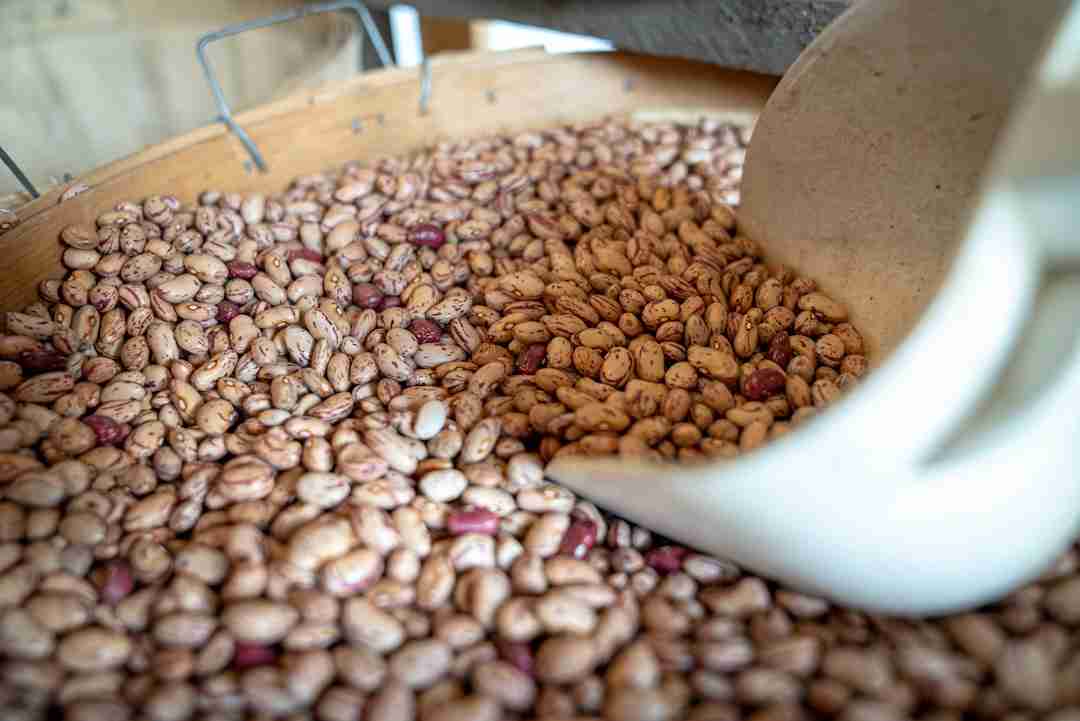
Dry beans are often overlooked, yet they are a powerhouse of nutrition and affordability. A pound of dry beans typically costs around $1.50 and can produce up to six cups of cooked beans. This translates to about 20 cents per serving, making beans an economical choice. Plus, they're incredibly versatile.
Consider the humble black bean. A black bean soup can be whipped up with just a few ingredients: beans, onions, garlic, and spices. Cook the beans until tender, blend a portion for creaminess, and season to taste. This dish is not only hearty but also protein-packed.
Another option involves chickpeas. Roasted chickpeas are a crunchy, satisfying snack. Simply toss cooked chickpeas with olive oil and spices, then roast at 400°F until crispy. These can be stored for days and serve as a healthy alternative to store-bought snacks.
The takeaway? Stock up on a variety of dry beans. They're a versatile, cost-effective ingredient that can be transformed into soups, stews, salads, and snacks.
Mastering Rice for More Than Just a Side Dish
Rice, a staple in many households, is often relegated to a side dish. But experts suggest reimagining it as the star of the meal. At about 70 cents per pound, rice is an affordable option that can be used in countless dishes.
For instance, a simple fried rice can be a meal in itself. Use leftover rice, add some frozen vegetables, a couple of eggs, and soy sauce, and you have a quick, satisfying dish. The key is to use day-old rice for the best texture.
Rice can also form the base of a bowl meal. Start with a scoop of cooked rice, add a protein like canned tuna or grilled chicken, and top with fresh or steamed vegetables. Drizzle with your favorite sauce, and you've got a balanced meal.
Adding rice to your meal plan not only cuts costs but also adds variety to your diet. It's a blank canvas that can be dressed up with different flavors and ingredients.
Canning Potential: Sauces and Soups
Canned goods are pantry staples that offer convenience and longevity. They can be lifesavers when you're short on fresh ingredients. Canned tomatoes, for example, are the base of countless sauces and soups.
A simple marinara sauce can be made with canned tomatoes, garlic, and herbs. Simmer the tomatoes with sautéed garlic and your choice of herbs for 20 minutes, and you have a versatile sauce for pasta, pizza, or even as a base for other dishes.
Soups are another area where canned goods shine. A can of vegetable broth, combined with canned beans and frozen vegetables, can become a hearty soup in less than 30 minutes. Add some spices, and you've got a comforting meal.
The reality is, canned goods are not only budget-friendly but also time-savers. They allow you to put together meals quickly without compromising on nutrition or flavor.
Bread Baking: A Cost-Effective Skill
Baking bread at home might seem daunting, but it's a skill that pays off both in taste and savings. A loaf of homemade bread can cost as little as $1 when you consider the price of flour, yeast, and salt. Compare this to $3-$5 for a store-bought loaf, and the savings are clear.
Begin with a simple no-knead bread recipe. Mix flour, water, salt, and yeast, let it rise for several hours, then bake in a hot oven. The result is a crusty, artisan-style loaf that's perfect for sandwiches or alongside meals.
For those looking to expand their bread repertoire, homemade pizza dough is another fantastic option. It requires the same basic ingredients and can be topped with pantry items like canned tomatoes and cheese.
Homemade bread not only saves money but also fills your home with the delightful aroma of fresh baking—a win-win situation.
The Versatility of Eggs
Eggs are often touted as one of the most versatile and budget-friendly ingredients. A dozen eggs usually costs around $2, providing a wealth of possibilities for meals.
Scrambled eggs can be dressed up with leftover vegetables or cheese for a quick breakfast or dinner. Frittatas, made with eggs, potatoes, and any available vegetables, can be cooked in one pan and served warm or cold.
Don't forget about the classic egg salad. It’s perfect for sandwiches and requires just a few ingredients like mayonnaise, mustard, and seasonings. It's a great way to use up boiled eggs and can be made in advance for meal prep.
Eggs are a staple that can transform simple ingredients into satisfying meals. They're a must-have for any cost-saving strategy.
Spice It Up: The Impact of Seasonings
Often, the difference between a bland meal and a memorable one is seasoning. Stocking a variety of spices can elevate basic pantry ingredients into something special. And the best part? Spices are a one-time investment that lasts for months.
For instance, a simple lentil soup can be turned into a Moroccan-inspired dish with the addition of cumin, coriander, and cinnamon. Similarly, chili powder and paprika can transform canned beans and tomatoes into a flavorful chili.
Keep a basic spice rack that includes essentials like salt, pepper, garlic powder, and onion powder. Then, gradually add more exotic spices as you experiment with different cuisines.
Spices expand your culinary horizons and ensure that even the simplest dishes are full of flavor.
Leveraging Technology: Apps and Tools for Meal Planning
In today's digital age, technology can be a powerful ally in meal planning and budgeting. Apps like Mealime and Yummly offer user-friendly interfaces for creating meal plans based on pantry ingredients, dietary preferences, and budget constraints.
For those looking to track spending, Mint provides a comprehensive view of your finances, allowing you to allocate more efficiently for groceries. Meanwhile, Google Keep is perfect for organizing shopping lists and jotting down recipe ideas on the go.
By incorporating these tools, you can streamline your grocery shopping and ensure that every purchase aligns with your cost-saving goals.
Practical Action Steps for Immediate Savings
Ready to start saving? Here’s a step-by-step approach:
- Take Inventory: Evaluate your pantry and make a list of staples you already have.
- Plan Meals: Use apps or traditional pen-and-paper to plan meals around these staples.
- Create a Budget: Set a weekly grocery budget and stick to it by avoiding impulse buys.
- Cook in Bulk: Prepare large batches of meals like soups and stews to save time and money.
- Experiment: Try new recipes that use low-cost ingredients and explore different cuisines.
By following these steps, you can immediately begin to reduce your food expenses while enjoying varied and nutritious meals.
Unlocking savings through pantry staples isn't just about cutting costs; it's about embracing creativity and resourcefulness in the kitchen. With a well-stocked pantry, a bit of planning, and a dash of inspiration, anyone can turn humble ingredients into delicious, budget-friendly meals. Start today, and discover the joy of cooking with what you have.