Renting in bustling cities can be a daunting task, especially for digital nomads who thrive on flexibility and adventure. Many find themselves grappling with the skyrocketing costs that often come with prime urban locations. But here's the thing: It's entirely possible to enjoy the perks of city living without breaking the bank. Understanding and implementing a strategic cost-of-living plan can make all the difference.
Sharing Living Spaces: A Path to Affordable City Living
One of the most effective ways digital nomads manage expensive city rents is through shared living arrangements. By opting for co-living spaces or finding roommates, individuals can significantly cut down on costs. In cities like San Francisco or New York, where a one-bedroom apartment might set you back $3,000 per month, sharing a two-bedroom apartment can reduce your monthly expense to about $1,500.
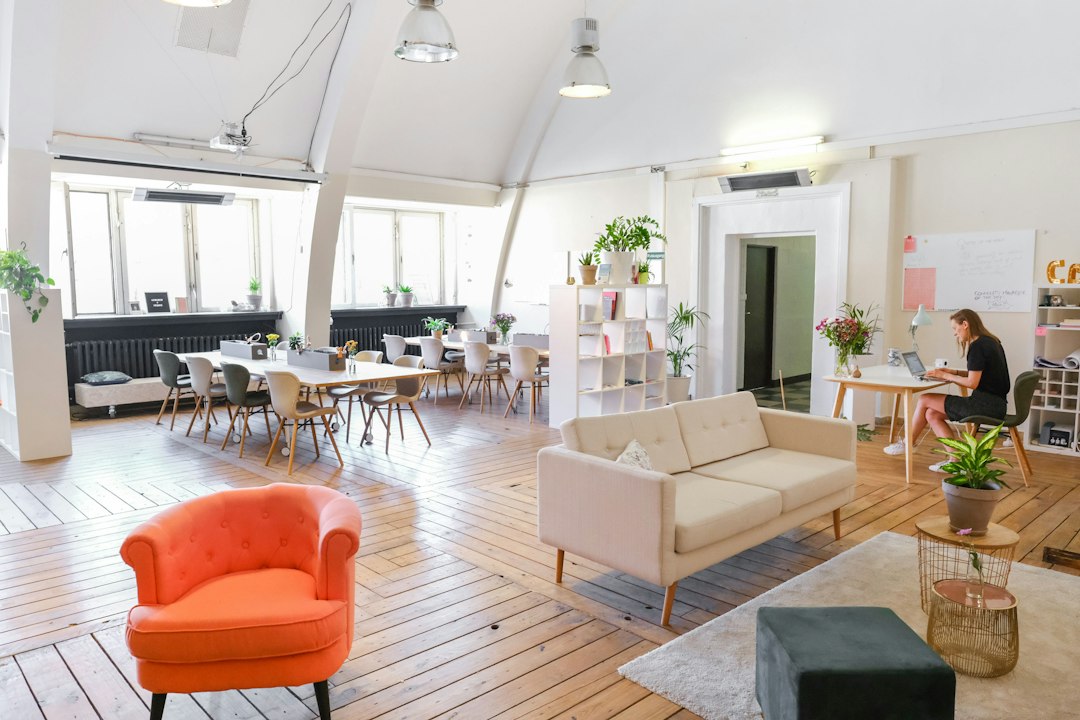
Co-living spaces such as Common and Ollie offer fully furnished homes with utilities included, providing not only a cost-effective solution but also a built-in community. These spaces often come with perks like cleaning services, Wi-Fi, and shared amenities, making them a convenient choice for those who appreciate hassle-free living. They also host community events, allowing residents to connect and network, which can be invaluable in a new city.
Choosing the Right Roommates
Finding the right roommate is crucial in shared living arrangements. It's important to consider compatibility in lifestyle, cleanliness, and financial reliability. Platforms like Roomi and SpareRoom can help you find potential roommates. It's advisable to meet them first, either virtually or in person, to ensure a good fit. Clear communication about shared responsibilities and expectations from the outset can prevent conflicts and make cohabitation more harmonious.
Leveraging Location: The Suburb Strategy
Another strategy worth considering is living in nearby suburbs rather than the city center. This can result in substantial savings. For example, living in Brooklyn instead of Manhattan can reduce rent costs by up to 30%. Similarly, in London, choosing areas like Croydon over more central locations can slash expenses by nearly half.
While this might mean longer commutes, the advent of remote work tools such as Zoom and Slack allows digital nomads to work efficiently from home without the need for daily travel. This suburban strategy not only saves money but also often results in quieter neighborhoods with more space, which can be a welcome change from the hustle and bustle of city life. Suburban living can also provide access to larger parks and recreational areas, offering a healthier lifestyle with opportunities for outdoor activities.
Flexible Leases and Short-Term Rentals: Adapting to Change
Digital nomads thrive on flexibility, and that extends to their housing choices as well. Many cities now offer flexible lease options through platforms like Airbnb and Sonder, which cater to those who need mobility and short-term accommodations.
Short-term rentals, usually ranging from one month to six months, can be a savior for those who prefer not to be tied down by long leases. While these rentals might be slightly more expensive per month than traditional leases, they offer the freedom to move frequently and explore new neighborhoods or even different cities. This flexibility is perfect for those who are unsure about where they want to settle long-term or those who enjoy the thrill of experiencing new environments regularly.
Understanding Contract Terms
Before committing to a short-term rental, it's vital to thoroughly understand the contract terms. Pay attention to clauses regarding security deposits, notice periods, and any penalties for early termination. It's also wise to verify what is included in the rent, such as utilities or Wi-Fi, to avoid unexpected expenses. Being informed about these details will help prevent misunderstandings and ensure a smooth living experience.
House Sitting: Rent-Free Living with a Twist
House sitting is an unconventional but increasingly popular way for digital nomads to live rent-free. Websites like TrustedHousesitters connect homeowners with travelers who are willing to take care of their homes and pets while they're away. This arrangement benefits both parties: homeowners gain peace of mind, and house sitters enjoy free accommodation.
While house sitting requires flexibility and sometimes short notice, it's a unique way to experience different parts of a city without the burden of rent. It's a win-win for those who enjoy the company of pets and the novelty of different living environments. House sitting can also offer the chance to live in luxurious homes that would otherwise be unaffordable, providing a taste of upscale living at no cost.
Utilizing Technology for Cost-Effective Living
In today's digital age, technology plays a pivotal role in helping digital nomads manage their living expenses. Apps like Splitwise can help track shared expenses with roommates, ensuring everyone pays their fair share. Meanwhile, budgeting tools such as Mint can provide insights into spending habits and highlight areas where savings can be made.
The use of these tools allows for smarter financial planning and can reveal hidden costs that might otherwise go unnoticed. By leveraging technology, digital nomads can maintain control over their finances and make informed decisions that align with their cost-of-living strategy. Additionally, apps like Nextdoor can connect you with local communities for finding deals and recommendations for cost-effective services and amenities.
Exploring Government Programs and Incentives
Many cities offer programs and incentives designed to make housing more affordable. For instance, New York City has a lottery system for affordable housing that could significantly reduce rent for qualified applicants. Similarly, several European cities provide subsidies or grants for those willing to live in less populated areas or contribute to community projects.
Researching and applying for these programs can be a game-changer for digital nomads looking to establish a base in a vibrant city while keeping costs low. It requires some effort and patience, but the potential savings make it a worthwhile endeavor. Engaging with local housing authorities or community forums can provide insights into available options and guidance on the application process.
Timing the Move: Seasonal Shifts in Rent Costs
Timing can be everything when it comes to saving on rent. Research shows that rental prices often fluctuate with the seasons. Typically, rents are higher during the summer months when demand peaks due to students and families relocating. Conversely, renting during the winter months could result in lower costs as landlords seek to fill vacancies.
By planning moves during off-peak seasons, digital nomads can take advantage of reduced rental rates and have a wider selection of properties to choose from. This strategic timing can lead to significant savings over the course of a year. Additionally, landlords may be more open to negotiations during these periods, offering further opportunities to cut costs.
The Art of Negotiation: Securing Better Deals
Negotiating rent can seem daunting, but it's a skill that can lead to substantial savings. Many landlords are willing to negotiate, especially if you're prepared to sign a longer lease or pay several months' rent upfront.
Experts suggest that researching comparable rentals in the area and presenting this information during negotiations can strengthen your case. Additionally, expressing a willingness to contribute to property maintenance or improvements can also be a bargaining chip. Negotiation isn't always straightforward, but with preparation and confidence, it can yield favorable results. Building a good rapport with potential landlords can also work in your favor, as they may be more inclined to offer a discount to a tenant they trust.
Maximizing Space: The Minimalist Approach
Living minimally can also help manage the cost of city living. By reducing the amount of personal belongings, digital nomads can opt for smaller, less expensive living spaces. This not only cuts down on rent but also on utility costs.
Adopting a minimalist lifestyle encourages thoughtful consumption and prioritizes experiences over possessions. For those who embrace this approach, it can lead to a more fulfilling life with less financial burden. Minimalism is not just about reducing clutter but also about creating a living environment that is calming and conducive to productivity. By focusing on essential items and quality over quantity, you can enhance your living space without the need for excessive spending.
Conclusion: Taking Action Today
Living as a digital nomad in a bustling city doesn't have to mean sacrificing financial stability. By exploring shared living arrangements, taking advantage of flexible leases, and leveraging technology, it's possible to enjoy all the perks of city life without the hefty price tag. Today, consider evaluating your current living situation and identify which of these strategies could be implemented to reduce costs and enhance your urban living experience.