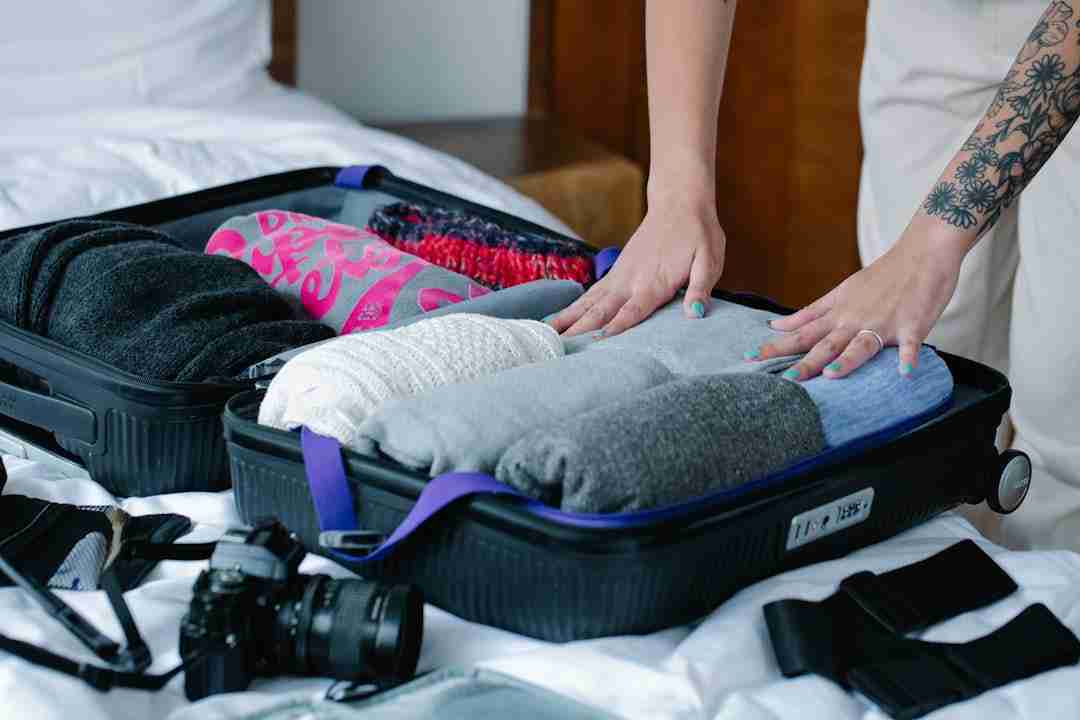
Imagine standing in front of an overstuffed suitcase, wrestling with the decision of what to leave behind. The prospect of minimalist living on the move may seem daunting, yet many find it liberating and practical. Packing light isn't just about reducing weight; it's about embracing a lifestyle that prioritizes experience over possessions. It's about learning how to live with less and still feel fulfilled. This approach has gained popularity among travelers and digital nomads who often navigate the world with nothing more than a carry-on. Here's how you can master the art of minimalist living on the move.
80/20 Rule: Focus on Essentials
Many seasoned travelers swear by the 80/20 rule, which suggests that 80% of the time, you only use 20% of the things you pack. This principle can redefine your packing strategy. Start by laying out everything you think you need. Then, scrutinize each item. Does it serve multiple purposes? Is it essential for daily life, or is it a "just in case" item? By focusing on multi-functional items, you can drastically cut down the number of things you pack. A sarong, for instance, can serve as a scarf, towel, blanket, or even a makeshift bag.
Consider the example of packing shoes. Instead of multiple pairs for different occasions, opt for a single versatile pair. A sleek pair of sneakers can be worn during the day for city exploration and can easily transition for a casual dinner in the evening. The same goes for toiletries; rather than carrying full-sized products, transfer essentials into travel-sized containers or consider solid versions like bar soap and shampoo, reducing both space and potential leakage.
Digital Tools: Declutter Your Documents
In the era of technology, there's no need to haul around stacks of paperwork. Digital tools like Google Drive and Notion allow you to store important documents securely and access them from anywhere. Many travelers also use e-readers instead of physical books, saving both space and weight. These tools offer a seamless way to manage travel itineraries, important contacts, and even personal notes. By digitizing your life, you reduce not only physical clutter but also the mental load of keeping track of various items.
Leverage apps that consolidate travel plans and documents into one place, such as TripIt or Google Trips. They can organize flight information, hotel reservations, and even restaurant bookings. This centralized approach means less scrambling for papers and more time enjoying your journey. Also, consider using digital currency or payment apps to avoid carrying multiple credit cards or cash, increasing security and convenience.
Capsule Wardrobe: Versatility is Key
A capsule wardrobe can be a game-changer for those adopting a minimalist lifestyle on the move. The idea is to create a collection of essential clothing items that don't go out of fashion and can be mixed and matched to create a variety of outfits. Focus on neutral colors and timeless pieces. Think a black dress, a pair of jeans, and a versatile jacket. With just 10-15 pieces, you can create numerous looks that suit different occasions. The result? A lighter suitcase and a quicker decision-making process when getting dressed.
To make the most of a capsule wardrobe, prioritize layering. A simple tank top can be worn alone in warmer climates or layered under a sweater in cooler weather. Accessories also play a critical role; a scarf or a statement necklace can transform an outfit from day to night. By choosing pieces that are lightweight and wrinkle-resistant, you ensure that your wardrobe remains functional and fashionable throughout your travels.
Quality over Quantity: Invest in Durable Items
When traveling light, each item you choose to include must earn its place. This means selecting quality over quantity. Investing in durable goods can save you time and money in the long run. A sturdy backpack, a pair of versatile walking shoes, or a windproof jacket can make all the difference. Experts suggest choosing items made from high-quality materials to withstand the rigors of travel. Brands like Patagonia and Osprey are known for their durable travel gear that stands the test of time.
Consider investing in a quality travel umbrella that can withstand wind and rain, or a water bottle with a built-in filter to ensure clean drinking water anywhere. High-quality travel adapters and portable chargers are also essential, ensuring that your devices remain charged and operational. These investments may seem significant initially but can prevent inconvenience and replacement costs later on.
One-Bag Travel: The Ultimate Minimalist Challenge
For those ready to fully embrace minimalist living, one-bag travel is the ultimate goal. This approach challenges you to fit everything you need into a single backpack or small suitcase. It's a practice that forces you to evaluate what truly matters. Many travelers find that this limitation encourages creativity and mindfulness. You're less likely to buy unnecessary souvenirs, and you'll learn to appreciate experiences over material possessions. It also means less to carry, less to lose, and a more streamlined travel experience.
When practicing one-bag travel, packing cubes and compression bags can be invaluable tools. They help organize belongings and maximize space, ensuring that every inch of your bag is used efficiently. Practicing the art of rolling clothes rather than folding them can also save valuable space. Remember, the goal is to prioritize essentials and maximize the utility of each item.
Mindful Purchases: Souvenirs That Count
While on the move, the temptation to buy souvenirs can be strong. But minimalist living encourages mindful purchasing. Instead of typical souvenirs, consider items that hold personal significance or support local artisans. Alternatively, opt for experiences over things. A cooking class or guided tour can offer memories that last a lifetime without adding to your luggage. This approach not only aligns with minimalist values but also fosters a deeper connection with the places you visit.
To ensure souvenirs are meaningful, consider the story behind each item. A handmade piece of jewelry or a local artwork provides insight into the culture and heritage of a destination. If you must bring back physical items, consider small, lightweight pieces like postcards or local spices, which can be shared with friends and family and serve as a reminder of your travels without adding significant weight.
Adaptability: Learning to Live with Less
The journey towards minimalist living on the move isn't always straightforward. It requires adaptability and a willingness to let go of old habits. However, many find that the benefits far outweigh the challenges. With fewer possessions, there's more time and energy to focus on experiences and connections. You learn to prioritize what truly brings joy and satisfaction. This mindset shift can extend beyond travel, influencing everyday life and leading to a more intentional way of living.
Practicing mindfulness and being present in each moment can enhance this adaptability. For instance, instead of longing for items left behind, embrace the freedom that comes with less baggage. This might mean engaging more fully with the local culture or forming deeper connections with fellow travelers. By cultivating a mindset of gratitude for what you have, you can find contentment in simplicity and foster a deeper appreciation for the world around you.
Immediate Action: Start with a Trial Run
For those intrigued by the idea of minimalist living on the move, consider starting with a trial run. Plan a short trip with only a carry-on. Use this opportunity to test the 80/20 rule, experiment with a capsule wardrobe, and practice digital decluttering. Pay attention to what you miss and what you don't. This experience can provide valuable insights into what truly matters and help refine your minimalist strategy for future travels.
Consider keeping a journal during your trial run to document your experiences and reflections. Note what items you used most frequently and which ones remained untouched. This exercise can guide future packing decisions and help streamline your travel preparations. By incrementally adopting minimalist practices, you can transition more comfortably into a lifestyle that values experiences over possessions.