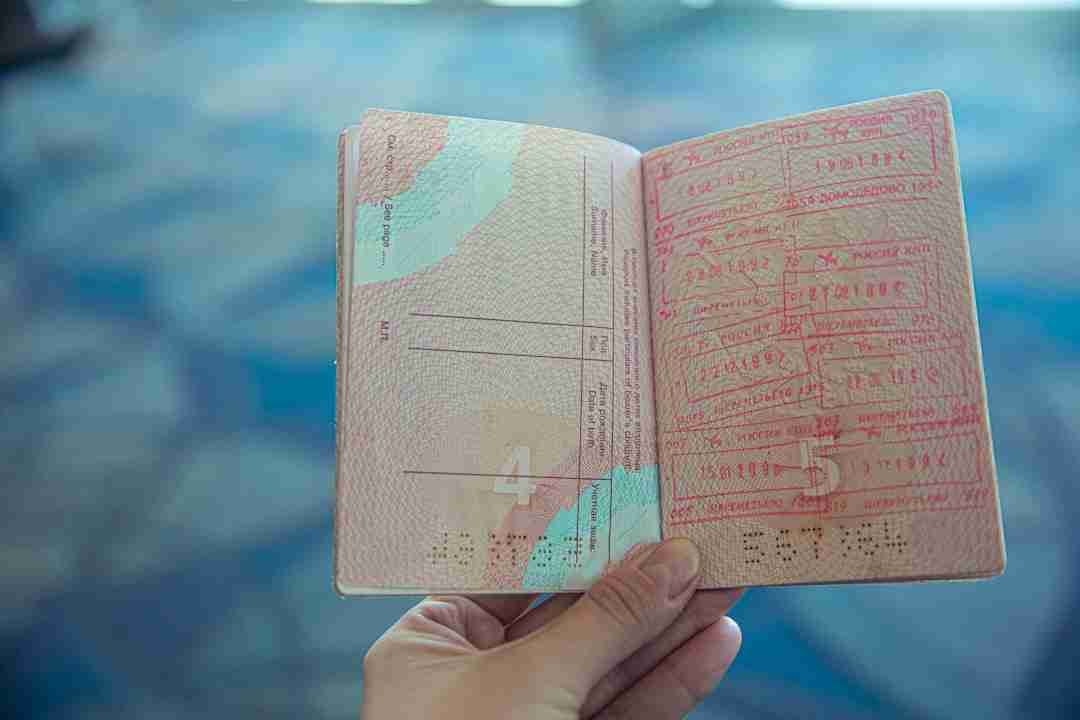
Traveling the world is an exhilarating experience, but the road to international adventures is often peppered with visa complications. Imagine having meticulously planned a dream vacation, only to find out at the airport that a missing visa will keep your feet firmly planted on home soil. This scenario is more common than you might think, yet it can be avoided with some foresight into visa regulations. Knowing the right steps to take can save time, money, and a lot of frustration.
Visa Types and Their Specific Requirements
Understanding the various visa types is crucial before embarking on international travel. Tourist visas, business visas, student visas, and work visas each have distinct requirements that can vary significantly from one country to another. For instance, a tourist visa for India might require a detailed itinerary and proof of sufficient funds, while a business visa for China may necessitate an invitation letter from a host company.
The application process for each visa type can be different too. A Schengen visa for Europe typically requires a travel insurance policy with a minimum coverage of €30,000. On the other hand, an Australian tourist visa might emphasize health examinations, particularly for long stays. Navigating these requirements means understanding the specific demands of each visa type and ensuring all documentation is accurate and complete. Some countries, such as Japan, might require proof of accommodation bookings and a detailed travel plan, which could pose challenges for travelers who prefer flexibility.
Practical takeaway: Before applying for any visa, thoroughly research the specific requirements for the visa type and destination. Websites like VisaHQ provide detailed information and can assist with the application process. It can also be beneficial to join travel forums or groups where fellow travelers share their experiences and insights about various visa processes.
Common Visa Missteps and How to Avoid Them
Many travelers find themselves in hot water due to common visa mistakes. One frequent error is underestimating processing times. While some visas can be approved in a matter of days, others might take weeks or even months. For example, a visa for countries like Russia or Brazil could take significantly longer during peak travel seasons.
Another common pitfall is submitting incorrect or incomplete documents. A missing signature or a typo in a passport number can derail an otherwise straightforward application. Additionally, failing to comprehend the visa's validity period can lead to overstaying, which might result in fines or bans on future travel. Some travelers may also overlook the need for transit visas when passing through certain countries, leading to unexpected complications during their journey.
Pro tip: Always double-check all documents for accuracy and completeness. Consider using a document checklist or apps like Notion to keep track of everything needed for the application. It's also wise to set reminders for follow-up actions, such as checking application status or preparing for interviews, if required.
Digital Solutions: E-Visas and Online Applications
The digital age has ushered in the convenience of e-visas and online applications. Many countries now offer e-visas that simplify the process and reduce wait times. For example, Turkey and Cambodia allow travelers to apply for e-visas online, which can be processed in just a few days.
E-visas often require uploading digital copies of documents, such as a passport scan and a recent photo. It's essential to ensure these digital files meet the specified requirements in terms of size and format. Additionally, some countries, like India, have specific portals for e-visa applications, which streamline the process but also require careful attention to detail. Be aware that e-visas might have restrictions regarding entry points; for instance, some might only be valid for entry through specific airports or land borders.
Actionable tip: Use official government websites for e-visa applications to avoid scams. For instance, access the Indian e-visa portal for accurate and secure processing. Ensure your internet connection is stable and secure when submitting sensitive information online to protect against potential data breaches.
Navigating Visa Regulations with a Tight Timeframe
Travelers sometimes find themselves needing a visa on short notice. This isn't ideal, but it happens. In such scenarios, expedited visa services can be a lifesaver. Many countries offer rush processing for an additional fee. For example, the United States provides expedited services for urgent travel needs through its U.S. Department of State website.
However, expedited services aren't always available for every visa type or destination. Some countries have strict processing times that cannot be bypassed, regardless of urgency. It's crucial to verify the possibility of expedited service before banking on it for last-minute travel. In some cases, contacting the consulate or embassy directly might yield special allowances or advice for urgent travel needs.
Immediate action: If you find yourself in need of a rush visa, contact the relevant consulate or embassy to explore expedited options and ensure all required documents are readily available. It could also be helpful to inquire about any additional fees and prepare for potential interviews or additional documentation requests.
The Role of Visa Consultants and Agencies
Visa consultants and agencies can be invaluable resources for those overwhelmed by the complexity of visa regulations. These professionals offer expertise and can navigate tricky applications, ensuring all requirements are met without errors. However, their services come at a cost, which varies depending on the complexity of the visa process.
When choosing a visa consultant, it's important to research and select a reputable agency. Look for reviews and testimonials to gauge their reliability. Reputable agencies often have established relationships with consulates and can provide insights that aren't readily available to the public. In addition, they can offer assistance with translating documents, which might be a requirement for certain visa applications.
Consider this: While hiring a consultant can ease the process, it's not always necessary. For straightforward applications, such as a tourist visa to countries with simplified processes, handling it independently might save money. Weigh the cost against the complexity of the application and your comfort level with the process.
Practical Tips for a Smooth Visa Application
A successful visa application often boils down to meticulous preparation and attention to detail. Here are some practical tips to ensure a smooth process:
-
Start Early: Begin the application process well ahead of your planned departure date. This leaves ample time to address any issues that might arise and gather any additional documents requested by the visa authorities.
-
Stay Informed: Visa regulations can change frequently. Regularly check official websites or sign up for updates from travel advisories of the destination country. Some countries might introduce new visa categories or adjust existing requirements based on diplomatic relationships or global events.
-
Prepare Documentation: Keep digital and physical copies of all documents. Use cloud storage solutions like Google Drive for easy access. This is particularly useful if you need to provide documents while on the move or if you encounter unexpected requests.
-
Follow Instructions: Pay close attention to application instructions. Missteps can lead to rejection or delays. Take note of specific requirements like photo dimensions or document order, which might vary from one application to another.
-
Check Entry and Exit Requirements: Some countries have specific entry and exit requirements beyond the visa. Ensure you meet all criteria to avoid complications. This might include vaccinations, currency declarations, or specific entry points.
-
Consider Insurance: Some visas require travel insurance. Even if not mandatory, it's wise to have coverage to protect against unforeseen events. Insurance can cover medical emergencies, trip cancellations, or lost luggage, providing peace of mind during your travels.
By implementing these strategies, travelers can navigate the visa process with greater confidence and assurance, making the journey towards international exploration smoother and more enjoyable.
Preparing for the Unexpected: Handling Visa Denials
Even with the best preparation, visa denials can occur. Common reasons include insufficient documentation, financial discrepancies, or previous overstays. When faced with a denial, it's important to understand the reason and determine if it's possible to appeal or reapply.
Each country has its own policies regarding visa appeals. For instance, the United Kingdom allows applicants to request an administrative review if they believe the decision was incorrect. On the other hand, some countries might require starting the application process anew. It is essential to carefully read the denial letter, as it often contains specific instructions or timeframes for appeals or reapplications.
Next steps: If denied, gather as much information as possible about the reason for denial. Consider consulting with a visa expert to explore potential remedies or alternative options. It might also be beneficial to strengthen your application by addressing the issues highlighted in the denial and providing additional supporting documents if necessary.
In conclusion, navigating visa roadblocks requires a combination of thorough research, meticulous preparation, and adaptability to changing regulations. By understanding the intricacies of visa types, avoiding common pitfalls, and leveraging available resources like digital applications and expert consultants, travelers can minimize the stress associated with visa applications. Today, take one concrete step towards your travel goals by researching visa requirements for your next destination, ensuring you're well-prepared for a seamless journey.


