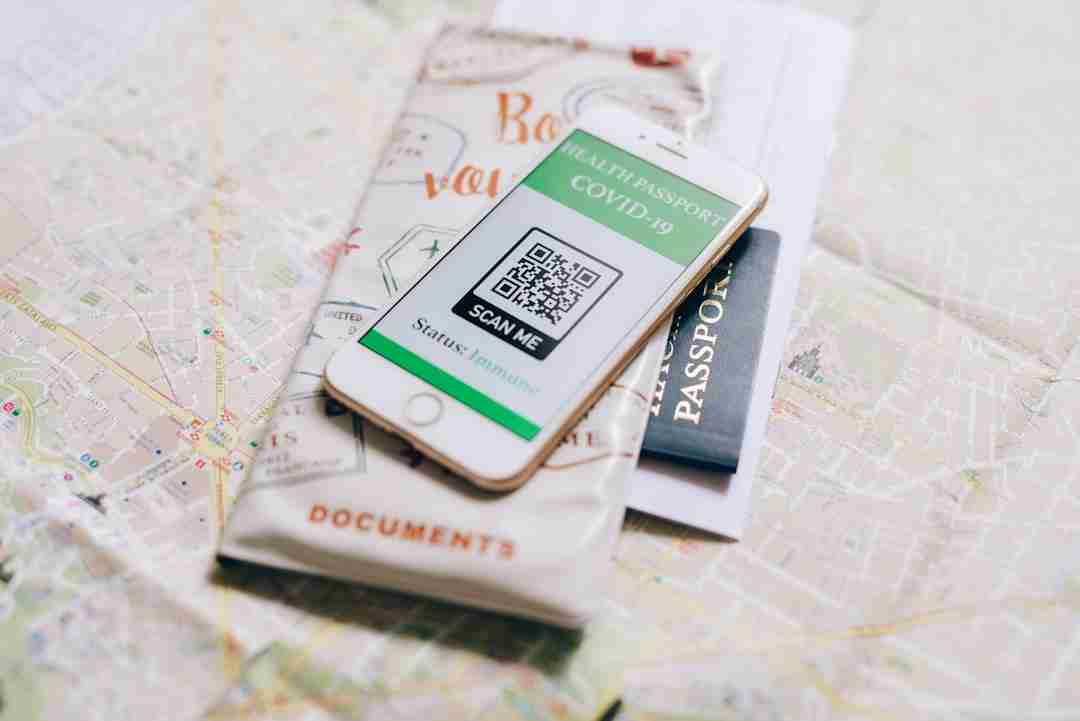
Imagine you're in a bustling café in the heart of Paris, overhearing a conversation between two expats. One is exuberantly recounting an adventure through the cobblestone streets, while the other is anxiously checking emails, hoping for a visa approval. The contrast is stark but common. For many living abroad, the dream includes navigating the intricate maze of visa regulations. Staying legal isn't just about ticking boxes; it’s about securing the lifestyle you've envisioned. So, how do expats manage this essential yet often daunting aspect of living overseas?
The 90-Day Rule: Schengen Area's Not-So-Secret Secret
The Schengen Area, a zone comprising 27 European countries, allows passport-free travel across borders. However, it comes with a catch: the 90-day rule. This regulation permits non-EU citizens to stay for up to 90 days within a 180-day period. Overstay, and you're facing fines, deportation, or even a ban on re-entry.
For those looking to stay longer, a national visa or residency permit is required. In Germany, for instance, there's the Blue Card for highly skilled workers. This card offers a pathway to permanent residency if certain conditions are met, like earning a minimum salary of €56,800 annually. But here's the catch: applications can take months, so timing is everything.
Takeaway: Plan your stay meticulously. Mark your calendar and set reminders for visa deadlines to avoid costly mistakes.
The Digital Nomad Visa: A New Frontier
With remote work becoming the norm, countries are catching on by offering digital nomad visas. Estonia was a pioneer, introducing a visa that allows remote workers to live there for up to a year. To qualify, you need to prove employment with a company registered outside of Estonia and earn at least €3,504 monthly.
Portugal also offers a similar scheme, with its D7 Visa aimed at passive income earners, including remote workers. The minimum income requirement is just over €8,460 annually, making it accessible to many. These visas not only legalize your stay but also open doors to a vibrant expat community.
An interesting example is Croatia, which has recently joined the ranks of countries offering digital nomad visas. Their program allows stays of up to a year, and applicants must show proof of earning at least €2,500 monthly. This has made Croatia an attractive option for those looking to enjoy the Mediterranean lifestyle while working remotely.
Takeaway: Explore digital nomad visas as a viable option if you're working remotely. They offer flexibility and legitimacy while living abroad.
Navigating Bureaucracy: The Art of Patience and Persistence
Visa processes can be notoriously slow, especially in countries with stringent immigration policies. In Japan, for example, obtaining a work visa involves several steps, including a Certificate of Eligibility. This document must be obtained by your sponsor in Japan and can take up to three months to issue. Only then can you apply for the actual visa at a Japanese embassy.
And then there’s the paperwork. Expect to gather documents proving your identity, employment, financial stability, and sometimes even your health status. It's a process that requires patience and persistence. Make sure to keep track of any changes in visa regulations, which can happen with little notice and impact your application timeline.
Takeaway: Start your visa application process early and keep all documents organized. Use digital tools like Notion or Google Drive to manage and store your paperwork.
Health Insurance: A Common Requirement
Many countries require proof of health insurance as part of the visa application process. In Germany, public health insurance is mandatory if you're employed, with contributions automatically deducted from your salary. However, for freelancers or those on specific visas, private insurance might be necessary.
In Thailand, a country popular with retirees and long-term travelers, a new visa regulation mandates health insurance coverage of at least $100,000 USD. This ensures expats have adequate coverage for potential medical expenses during their stay.
When considering health insurance, it's important to look beyond just meeting visa requirements. Consider options that offer comprehensive coverage, including dental and vision care, as well as emergency evacuation services, which can be crucial depending on your location.
Takeaway: Research health insurance requirements early. Compare policies to find one that suits your needs and complies with local regulations.
Language Barriers: More Than Just a Hurdle
Language can be a significant barrier when dealing with visa authorities. In countries like China or Russia, where English isn't widely spoken, navigating bureaucracy can be particularly challenging. Hiring a local consultant or translator can be invaluable. They not only translate but also help ensure that forms and documents meet local standards.
In Russia, for example, visa applications must be filled out in Russian, and any supporting documents in other languages must be officially translated and notarized. Getting this wrong can lead to application rejections or delays.
In Brazil, navigating the visa process can be further complicated by regional dialects and varying interpretations of requirements. Having a local guide or legal advisor who understands these nuances can make a substantial difference in the success of your application.
Takeaway: Consider hiring local experts to navigate language barriers. It's an investment that can save time and prevent costly errors.
Local Laws and Customs: Ignorance Isn’t Bliss
Understanding local laws goes beyond visa requirements. In Saudi Arabia, for example, expats must adhere to strict laws regarding behavior and attire. Violating these can lead to fines or deportation. Meanwhile, in Singapore, overstaying a visa by even a day can result in hefty fines and a ban on future entry.
The cultural nuances can also impact your stay. In Japan, maintaining harmony is crucial, and public displays of frustration can be frowned upon. Understanding these subtleties can make your transition smoother and enrich your experience.
In Italy, the concept of "la dolce vita" emphasizes a more relaxed pace of life, which can influence how quickly bureaucratic processes unfold. Patience and a willingness to adapt to these cultural norms can be essential in successfully navigating the visa process.
Takeaway: Educate yourself on local laws and customs. This knowledge helps you stay compliant and avoid unintentional offenses.
The Cost of Overstaying: Penalties and Consequences
Overstaying a visa isn't just a minor infraction. In countries like Australia, overstaying can lead to detention and a three-year re-entry ban. The United States imposes a ten-year ban for overstays of more than a year. These penalties can disrupt future travel plans and even affect visa applications to other countries.
To avoid these consequences, use apps like TripIt to track visa expiration dates and receive timely reminders. Planning your departure well in advance ensures a hassle-free exit and maintains a positive immigration record.
Consider also the financial implications of overstaying. Beyond fines and bans, overstaying can result in increased costs for legal fees and potential loss of income if future work opportunities are affected. It's a risk that can be easily mitigated with careful planning and vigilance.
Takeaway: Use digital tools to track visa expiry dates. Avoid overstaying by planning ahead and keeping abreast of your visa status.
Leveraging Local Networks: Expats Supporting Expats
Connecting with local expat communities can provide invaluable support. These networks often share firsthand experiences and offer advice on dealing with visa issues. Online forums and social media groups, like those on Facebook or InterNations, can be a treasure trove of information.
In cities like Dubai, where the expat community is vast, local meetups and networking events can also provide opportunities to learn from others who have navigated the visa process successfully. Sharing tips and resources can make the journey less daunting and more enjoyable.
In countries like Spain, expat communities often organize regular social gatherings and workshops, where members can exchange advice on everything from navigating legal requirements to finding the best local services. Being part of such a community can offer both practical help and a sense of belonging.
Takeaway: Join expat networks and communities. They offer support, advice, and camaraderie that can ease the visa navigation process.
In conclusion, staying legal abroad requires diligence, planning, and a willingness to adapt. While the visa process can be complex, understanding the rules and leveraging available resources can ease the journey. Starting today, take stock of your visa status, explore your options, and connect with others who share your path. It's not just about ticking boxes; it's about securing your dream life abroad, legally and confidently.


