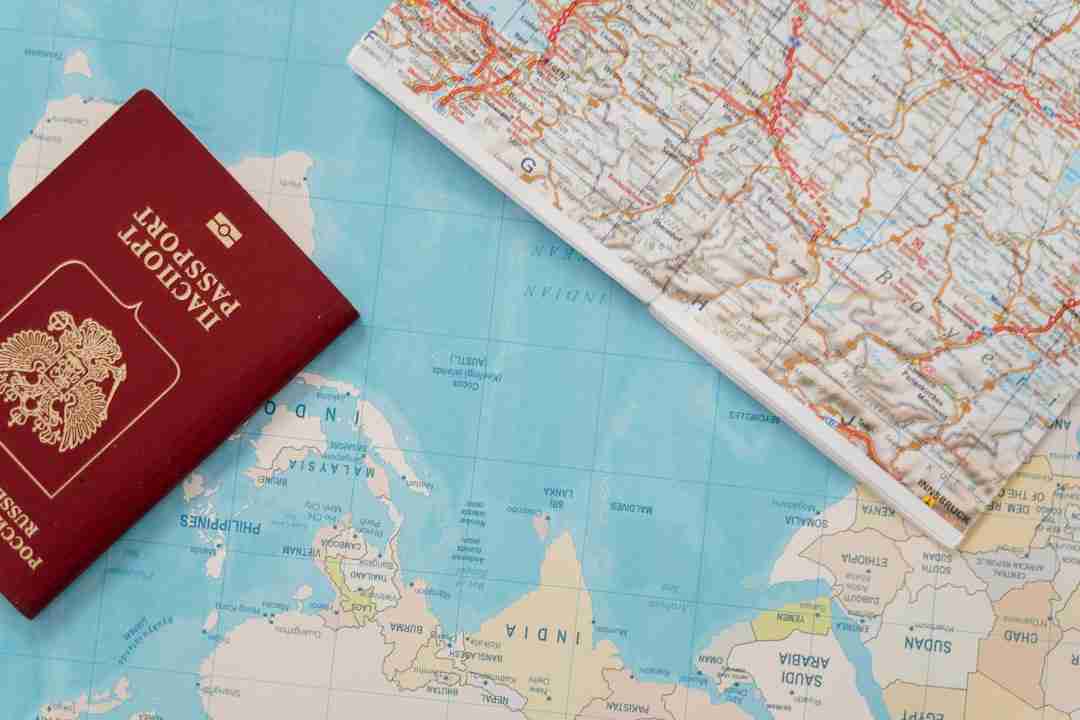
Imagine standing at the airport, excited for your dream vacation, only to be told you can't board your flight because of a visa issue. It's a traveler's nightmare, yet it's a reality many face. Navigating the world of visas can be tricky, with each country having its own requirements and nuances. The good news? With some preparation, you can avoid common pitfalls. Here's how to make sure your travels go smoothly, starting with understanding those tricky visa rules.
Visa-Free Travel: Not Always What It Seems
Many travelers are drawn to the idea of visa-free entry. It sounds straightforward—just show up with a passport, and you're in. But there's more to it. Visa-free doesn't always mean hassle-free. For instance, while U.S. citizens can visit 184 countries without a visa, there are still rules to follow. Some countries might require proof of onward travel or a certain amount of money in your account. And there's often a time limit on how long you can stay. For example, the Schengen Area allows for 90 days within a 180-day period. Overstaying can lead to fines or even bans from re-entering.
Consider the example of Japan. While it offers visa-free entry to citizens from many countries, travelers must still comply with the country's entry requirements, which include carrying a return or onward ticket and having sufficient funds for the duration of the stay. Similarly, Thailand allows visa-free entry to certain nationalities for up to 30 days, but you might be asked to show proof of accommodation and a return ticket.
The takeaway? Always check the specific entry requirements for your destination, even if it's visa-free. Websites like VisaHQ can provide detailed entry requirements for different nationalities. It's also wise to check the latest travel advisories from your government's foreign office, as entry rules can change with little notice, especially in times of global uncertainty.
E-Visas and ETA: The Digital Visa Revolution
The world is going digital, and so are visas. E-visas and Electronic Travel Authorizations (ETAs) have made travel more accessible. Countries like Australia, India, and Turkey offer e-visas, allowing travelers to apply online. It's convenient and usually faster than traditional visas. But don't let the ease fool you. E-visas come with their own set of rules.
It's crucial to apply through official government websites to avoid scams. Processing times can vary, so apply well in advance—ideally, a few weeks before travel. Also, ensure you print a copy of your e-visa or ETA to present upon arrival. A missed email or a system glitch could leave you stranded at immigration.
Consider the example of Sri Lanka's ETA system. While the process is straightforward, travelers need to ensure they fill out the application accurately and double-check the information on their ETA approval notice. Errors, even minor ones, can result in entry refusal or delays.
Hidden Costs and Fees: Budgeting for Your Visa
Visas often come with fees, and these can add up quickly. It's not just the application fee; there may be additional costs for processing, service charges, or expedited services. For instance, a visa to China can cost over $140 for U.S. citizens, while an Indian e-visa might set you back $10 to $100, depending on your nationality and the type of visa.
Also, consider the cost of additional documents, like travel insurance or financial proofs, which some countries require. And don't forget potential fees for visa-on-arrival, which can be higher than online applications. Always budget for these expenses to avoid travel stress. For example, travelers heading to Kenya may find that the visa-on-arrival fee is significantly higher than if they had applied online beforehand.
Be aware that some countries have reciprocity fees, which are charged based on your nationality and the visa fees your country imposes on their citizens. Argentina, for example, has implemented such fees in the past, which can catch travelers off guard if not researched in advance.
Visa Validity and Expiry Dates: Timing Is Everything
Timing is crucial when it comes to visas. Many travelers fall into the trap of not checking the validity period of their visa. A visa's validity is the timeframe in which you can use it to enter a country, not the length of your stay. For example, a visa might be valid for six months, but only allow a 30-day stay per visit.
Moreover, be mindful of entry dates. Some countries require you to enter within a certain period after the visa is issued. Missing this window can render your visa useless. Always double-check these details and plan your trip accordingly.
For example, the visa for Brazil might be valid for 90 days from the date of issue, but only allows for a 30-day stay per visit. If a traveler enters Brazil on the 89th day of visa validity, they must still leave within the 30-day period permitted by the visa, not extend their stay until the end of the visa validity.
The Schengen Shuffle: Understanding Europe’s Visa Rules
Europe's Schengen Area is a popular destination, but its visa rules can be confusing. The 90/180-day rule is a common sticking point. You're allowed to stay in the Schengen Area for 90 days within any 180-day period. This means if you spend 90 days in the Schengen Area, you must wait another 90 days before you can return.
Tracking these days can be tricky. Luckily, tools like the Schengen Calculator help you keep track of your days. Always keep an eye on your entry and exit stamps to ensure compliance.
Countries like Spain and Italy are popular entry points into the Schengen Area, and travelers often get caught up in the excitement of exploring multiple countries, inadvertently overstaying their welcome. Ensure your passport is stamped on entry and exit, as failure to do so can lead to complications down the line.
Visa Interviews and Document Preparation: Be Ready
Some countries require an interview as part of the visa process. This is common for countries like the United States or Canada. Preparation is key. Be ready to explain your travel plans, present your financial status, and provide any other supporting documents. It's also wise to have a clear itinerary and proof of ties to your home country, like a job offer or property ownership.
For document-heavy applications, organization is crucial. Use apps like Notion or Trello to keep track of application requirements and deadlines. Ensuring all documents meet the specifications can make the difference between an approved or denied visa.
When preparing for a U.S. visa interview, for instance, applicants should be ready to discuss their travel itinerary, financial stability, and return plans. Practicing answers to common interview questions can also help alleviate anxiety and ensure you present yourself confidently.
Visa Denials: What To Do Next
Visa denials happen, but they're not the end of the road. Understanding why a visa was denied is the first step in addressing the issue. Common reasons include insufficient funds, missing documents, or previous overstays.
If denied, seek clarification from the embassy or consulate. They often provide a reason for the denial, and sometimes, a simple mistake can be rectified. Consider reapplying with additional information or stronger documentation. Consulting with a visa expert or attorney can also be beneficial, especially for complex cases.
In some cases, visa denials might be due to misunderstandings, such as incorrect information on an application form or failure to provide adequate evidence of your travel intentions. Correcting these errors and submitting a well-organized, complete application can often lead to a successful reapplication.
Practical Tips: What You Can Do Today
Start by making a checklist of visa requirements for your next destination. Use resources like VisaHQ to gather accurate information. If you're planning multiple trips, consider creating a travel calendar to track visa validity and stay durations.
Also, keep digital and physical copies of all visa-related documents. Apps like Google Drive are great for storing important files. Before traveling, double-check entry requirements and have a backup plan for unexpected changes.
Being proactive in your visa planning can save you time and stress. For instance, if you're traveling to a country with stringent entry requirements, consider scheduling a reminder to check visa validity and ensure all documents are up-to-date a few weeks before departure. By staying informed and prepared, you can navigate the complex world of visas with confidence, ensuring your travels are memorable for all the right reasons.


