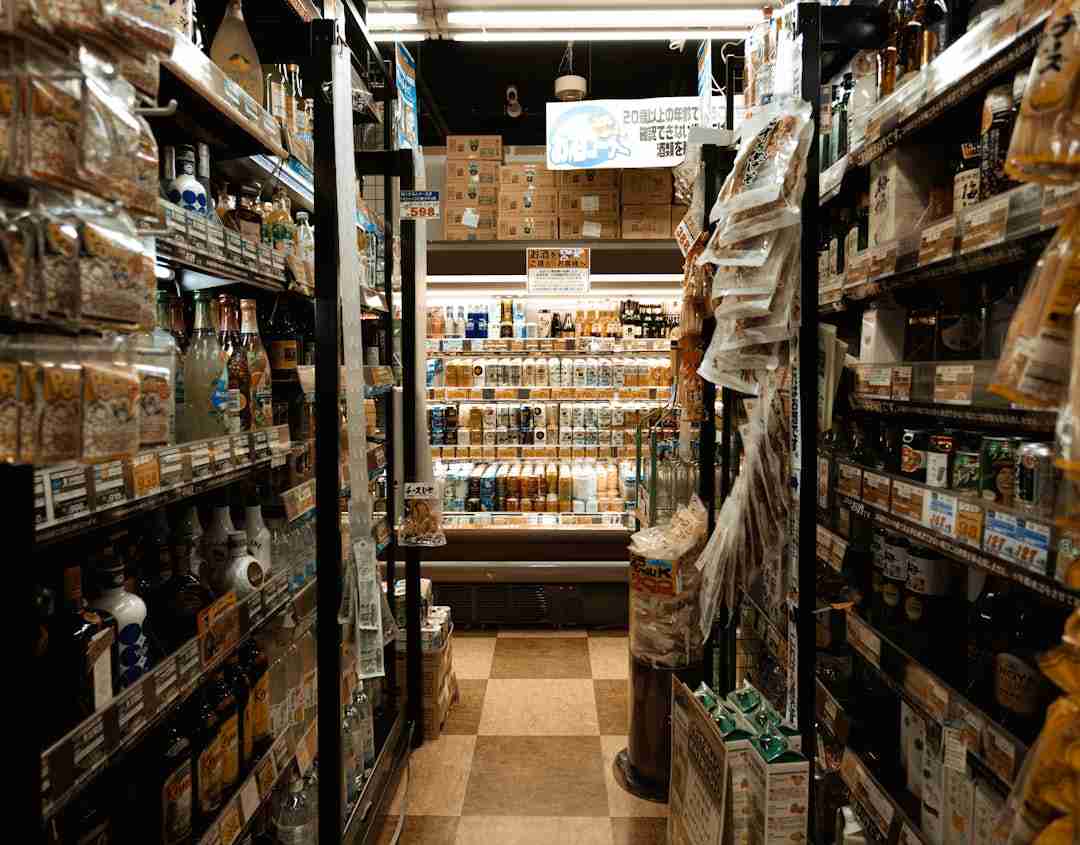
Imagine stepping into a bustling grocery store in a foreign country, where familiar brands are nowhere to be found, and labels are written in a language you barely recognize. The aisles are filled with unknown products, and the local currency jingles confusingly in your pocket. Navigating grocery stores overseas can be a daunting task for many expatriates and travelers, but with the right strategies, it can also become an exciting adventure in culinary exploration.
Learn the Local Lingo: Key Phrases for Grocery Shopping
When shopping in a foreign country, language barriers often pose the biggest challenge. Knowing a few key phrases can make a significant difference in your shopping experience. Start by learning the local terms for common grocery items like milk, bread, eggs, and vegetables. Many find that carrying a small notebook with essential vocabulary or using a translation app like Google Translate can be incredibly helpful.
Consider this: in Japan, milk is "gyuunyuu," while in France, it's "lait." Understanding these basics can speed up your shopping and reduce stress. Additionally, learning phrases for "where is," "how much," and "do you have" can help you communicate with store staff when you need assistance. Engaging with locals using these phrases can also enhance your cultural experience and may even lead to discovering new ingredients you wouldn’t have considered before. For example, you might find yourself trying "natto" in Japan or "chèvre" in France, enriching your culinary vocabulary and palate.
Embrace Local Brands and Products
The absence of familiar brands overseas is an opportunity to discover local alternatives that could surprise you with their quality and flavor. For instance, instead of looking for your usual breakfast cereal, why not try a local grain product that might become your new favorite? Research suggests that local products are often fresher and more affordable than imported goods.
In Italy, you might find high-quality pasta brands that aren't available elsewhere, or in Thailand, explore the variety of rice and noodles that are staples in their cuisine. Exploring local brands not only supports the local economy but also offers a deeper insight into the country's culture and culinary preferences. It's an adventure for your taste buds and a practical way to adapt to a new environment. Trying local cheeses in Switzerland or olive oils in Greece can also provide a sensory experience that connects you to the region's heritage and agricultural practices.
Understand the Currency and Payment Methods
Adjusting to a new currency is another hurdle when shopping overseas, and it's essential to familiarize yourself with the exchange rate to avoid overspending. Using currency conversion apps like XE Currency can help you understand prices in terms you’re comfortable with.
Many countries predominantly use cash, while others have embraced digital payments. In Sweden, for example, cash is rarely used, whereas in Vietnam, cash remains king. Knowing this beforehand can save you the embarrassment of being caught without the right payment method. Also, keep an eye out for credit card fees that can add up quickly if you're not careful. Some countries, like Japan, are gradually shifting from cash to more electronic-based payments, so staying informed about these trends can enhance your shopping experience.
Shop During Off-Peak Hours for a Smoother Experience
Crowded aisles and long checkout lines are common in popular shopping hours, making grocery shopping more stressful than it needs to be. Research shows that shopping during off-peak hours can result in a more pleasant experience. Early mornings or late evenings are typically quieter, allowing you to take your time browsing the aisles and making thoughtful choices.
In large cities like Tokyo or London, Sundays tend to be less busy, while other cultures may have different peak times based on local customs or religious practices. Observing these patterns can enhance your shopping experience and give you a better chance to explore unfamiliar products without feeling rushed. In countries with significant cultural events, such as Ramadan in Middle Eastern nations, shopping during specific times can also offer unique experiences and discounts.
Be Mindful of Cultural Differences in Grocery Shopping
Grocery shopping practices can vary significantly from one country to another, and being aware of these differences can prevent misunderstandings. For example, in many European countries, it's customary to bring your own shopping bags, and you might even be charged for store-provided bags. In contrast, in some developing countries, haggling over prices might be acceptable in local markets but not in supermarkets.
Some cultures emphasize sustainability, leading to more bulk-buying options and fewer pre-packaged goods. Adapting to these practices not only helps you fit into the local culture but also provides opportunities to reduce waste and make more environmentally friendly choices. For instance, in Germany, the "Pfand" system for returning bottles for a deposit refund is widely practiced, encouraging recycling and environmental awareness.
Explore Specialty Shops for Unique Finds
While large supermarkets offer convenience, specialty shops can provide unique finds not available elsewhere. Whether it's a local bakery, a butcher, or a spice shop, these places often carry products that reflect the region's culinary traditions. For example, visiting a cheese shop in France or a tea store in China can offer a deeper understanding of local flavors and craftsmanship.
These smaller shops also tend to have knowledgeable staff who can offer advice and recommendations, enriching your shopping experience. If you're seeking a specific ingredient for a traditional dish, these specialty stores are often the best place to find it. They also provide an excellent opportunity to practice your language skills and learn about local cooking tips and recipes. In many cultures, these interactions can lead to learning about traditional preparation methods, such as making pasta in Italy or brewing coffee in Turkey.
Download Useful Apps for Easier Shopping
Technology can be a lifesaver when navigating grocery stores overseas. Several apps can simplify the process, from translation and currency conversion to finding local grocery stores and comparing prices. Apps like Yelp or TripAdvisor can provide reviews and suggestions for the best places to shop, while Google Maps can help you navigate unfamiliar areas.
Some apps are specific to certain countries, offering insights into local deals and discounts. In South Korea, for instance, the app "Coupang" provides access to online grocery shopping with detailed product descriptions and user reviews, making it easier to make informed choices. Additionally, apps like "Too Good To Go" in Europe can help reduce food waste by offering discounted prices on unsold food items, benefiting both your wallet and the environment.
Practice Flexibility and Patience
Patience and flexibility are key when adapting to grocery shopping in a new country. Products may be arranged differently, store layouts might not make sense initially, and certain items might not be available at all. It's important to approach these challenges with an open mind and a willingness to adapt.
While it might take a few trips to get the hang of things, each visit is an opportunity to learn and become more comfortable in your new surroundings. Embrace the differences as part of the adventure, and remember that every expatriate and traveler has faced similar challenges. Over time, what once seemed overwhelming will become second nature. By treating each shopping trip as a cultural learning experience, you'll gain valuable insights into local customs and improve your ability to navigate various environments with ease.
Navigating grocery stores overseas is a skill that develops with practice. By embracing local products, understanding cultural nuances, and leveraging modern tools, you can transform grocery shopping from a daunting task into an enriching experience. Today, consider trying something new on your next shopping trip, whether it's a local ingredient or a new payment method. The world of international grocery shopping is full of surprises and opportunities waiting to be explored.