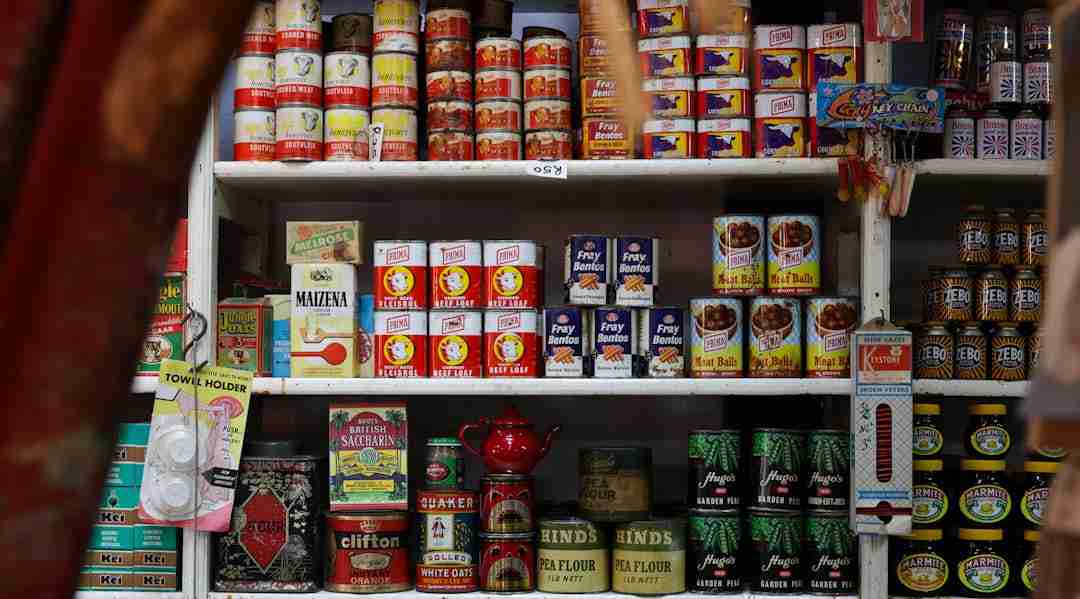
Stepping into a grocery store abroad can feel like diving into an ocean of unknowns. The familiar aisles and products from home are replaced by a bewildering array of new brands, labels, and even shopping customs. For those living abroad, mastering the art of grocery shopping is not just about finding the right ingredients—it's about understanding and navigating the unwritten rules that come with each culture's approach to food shopping.
Decoding Product Labels: Language Barriers and Beyond
One of the first hurdles in foreign grocery stores is deciphering product labels. While some countries offer multilingual labels, many do not, leaving shoppers to rely on translation apps or pocket dictionaries. Google Translate is an invaluable tool here, offering instant translation of text through your smartphone camera. However, it’s important to remember that translations can sometimes miss nuances. For example, in France, a "biscuit" might not mean the same thing as in the U.S. It’s a good idea to familiarize yourself with key food terms in the local language before shopping.
Another strategy is to ask locals or store employees for help. Many are willing to assist if approached politely. Additionally, consider taking a few language classes focused on everyday vocabulary, which can ease the shopping experience significantly. Enrolling in online platforms like Duolingo or Rosetta Stone can provide the foundational language skills needed for effective communication.
Understanding Local Pricing and Packaging Norms
Pricing structures can vary widely from one country to another. In many European countries, for example, prices are often listed per kilogram rather than per pound, which can lead to confusion if you're not aware of the conversion. Moreover, packaging sizes can differ; what might be considered a family-sized package in one country could be a single-serving size elsewhere.
Experts suggest checking local online grocery stores before visiting in person. Websites often have English versions, providing a clearer understanding of pricing and packaging. Tesco, for instance, offers an online platform that can help acclimate you to the UK grocery market before setting foot in a store. Additionally, apps like MySupermarket can help compare prices across different stores, ensuring you get the best deal.
Navigating Different Store Formats and Layouts
Grocery stores abroad might not look or function like those at home. In Japan, for example, it's common to find small corner stores called "konbini" that offer a wide array of products but in much smaller quantities. Larger supermarkets might be located in less central areas, requiring a bit of travel.
In many European countries, hypermarkets like Carrefour are popular, offering everything from groceries to electronics under one roof. The key is to determine which type of store suits your needs best. Smaller stores are perfect for daily essentials, while larger supermarkets or hypermarkets are better for bulk shopping. Familiarize yourself with local store chains, such as Mercadona in Spain or Aldi in Germany, to understand what each offers in terms of price and variety.
Adapting to Payment Methods and Currency Differences
Payment methods can also be a challenge. While credit and debit cards are accepted in most places, some countries still prefer cash for smaller transactions. In Germany, for instance, cash is often preferred, and some places might not accept international cards. It’s wise to keep a small amount of local currency on hand for such situations.
Currency exchanges can add another layer of complexity. Apps like XE Currency provide up-to-date exchange rates, helping you make quick calculations to avoid overspending. It’s also beneficial to set up a local bank account if you're planning on living abroad for an extended period, as this can streamline payments and reduce transaction fees. Consider using digital wallets like PayPal or local options such as Alipay in China for a more seamless shopping experience.
Discovering Local Foods and Alternatives
Grocery shopping abroad offers a fantastic opportunity to explore local cuisine. However, finding familiar products can be a challenge. In some countries, specialty stores cater to expatriates, providing imported goods at a higher price. These can be lifesavers when you're yearning for a taste of home.
But don't shy away from trying local alternatives. For instance, in Italy, local cheeses like pecorino or parmigiano can replace cheddar in many dishes. Exploring local markets can also lead to discovering fresh produce and regional specialties that aren't available in supermarkets. Joining local cooking classes or food tours can further enhance your understanding and appreciation of the local food culture.
Respecting Cultural Norms and Etiquette
Cultural norms can significantly impact the grocery shopping experience. In some Asian countries, for example, haggling might be expected in markets, while in Western countries, prices are typically fixed. In many European countries, it's customary to greet the cashier with a polite "hello" and "thank you" in the local language.
Bringing reusable bags is another consideration. Many countries charge for plastic bags, encouraging shoppers to bring their own. This sustainable practice not only helps the environment but also aligns with local customs. In Germany, for instance, "Pfand" (a deposit system) is applied to bottles and cans, promoting recycling and environmental responsibility.
Timing Your Shopping Trips for Best Results
Timing can affect both the availability of products and the shopping experience itself. In Spain, many stores close during siesta hours in the afternoon, while in Middle Eastern countries, weekends might fall on Friday and Saturday instead of Saturday and Sunday.
Early mornings or late evenings are often the best times to shop to avoid crowds, especially in busy cities. It's also wise to be aware of local holidays, which can lead to store closures or reduced hours. Keeping track of local events and festivals through community websites or local news outlets can help you plan your shopping trips effectively.
Exploring Local Markets and Specialty Shops
Beyond traditional grocery stores, local markets and specialty shops offer a unique glimpse into the cultural fabric of a region. Farmers' markets, for instance, provide fresh, locally sourced produce and are a great place to discover seasonal fruits and vegetables. In France, markets like those in Provence are renowned for their vibrant atmosphere and quality offerings.
Specialty shops can also be invaluable resources for locating hard-to-find ingredients. In Japan, "depachika" (department store food halls) offer gourmet foods and delicacies that are not typically found in supermarkets. Exploring these venues not only broadens your culinary horizons but also supports local businesses and artisans.
Practical Takeaways for Grocery Shopping Abroad
Living abroad presents unique challenges, but with a few practical strategies, grocery shopping can become an enjoyable part of the experience. Start by learning key phrases in the local language and familiarizing yourself with the layout and offerings of different store types. Use technology to your advantage with translation and currency apps, and always be prepared for unexpected cultural norms. Finally, embrace the opportunity to try new foods and practices, turning each grocery trip into a small adventure.
By understanding these unwritten rules, you can navigate grocery shopping abroad with confidence, making it a seamless part of your new life.