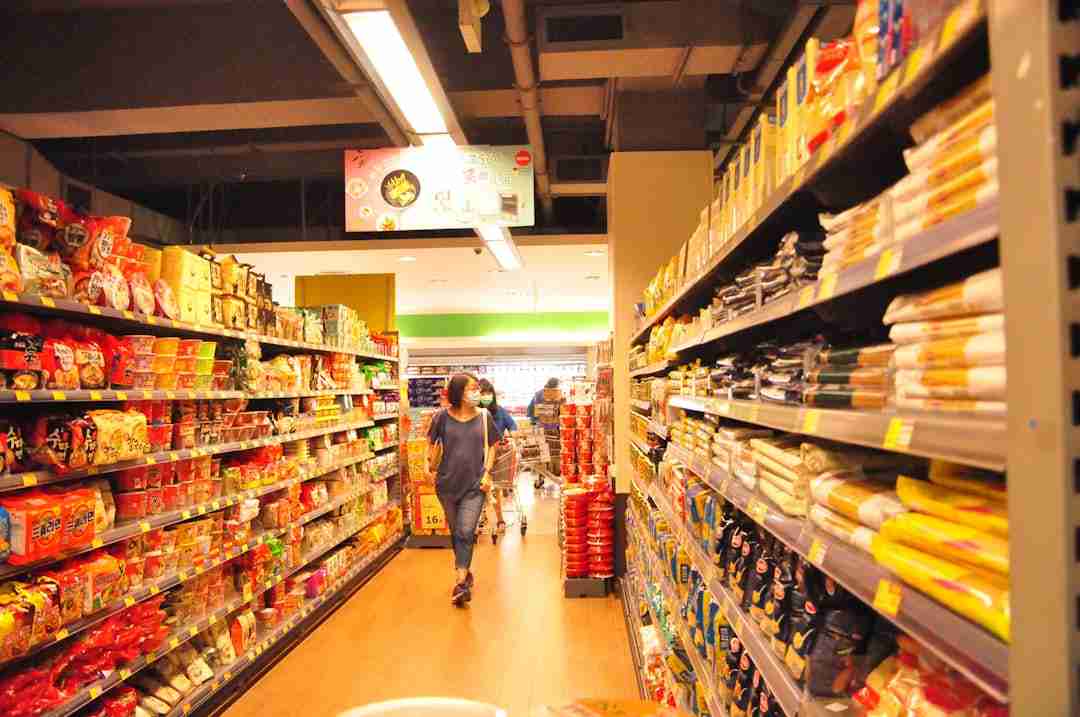
Suddenly, you're standing in the middle of an unfamiliar grocery store, surrounded by labels in a language you barely understand. The fresh produce section stretches out before you like a colorful maze, and you're wondering if you just picked up a tomato or something entirely different. This scenario is all too common for those who have relocated to a new country. Grocery shopping, an activity that once seemed mundane, can quickly become an adventure filled with both discovery and frustration.
Finding Familiar Products: Brand Names and Ingredients
One of the first challenges many face when grocery shopping abroad is locating familiar products. It's not just about finding your favorite cereal or pasta sauce; it's about recognizing the brands you trust. In many countries, local brands dominate the shelves, and international brands may either be absent or significantly more expensive.
Experts suggest starting with the basics by learning the local names for key ingredients. This can be particularly helpful for items like flour, sugar, and salt, which are essential for most cooking. Many people find success using translation apps like Google Translate to quickly identify ingredients on the go. These apps often have a camera feature that can scan and translate text in real-time, making it easier to navigate foreign packaging. Additionally, joining local expatriate groups on social media can provide insights into where to find specific brands or substitutes that align with your preferences.
Understanding Pricing and Payment Methods
Prices can vary significantly from one country to another, not just in terms of currency but also due to local economic factors. It's common for newcomers to be surprised by the cost of certain items, especially imported goods. To avoid shock at the checkout, it's wise to familiarize yourself with the local currency and typical price ranges for staples like bread, milk, and eggs. Websites like Numbeo can offer a comparative look at living costs globally, including grocery prices.
The way you pay might also be different. While credit and debit cards are widely accepted in many places, some countries still favor cash transactions, especially in smaller shops or markets. It's advisable to always have some local currency on hand for such occasions. Mobile payment apps like Apple Pay or Google Pay are gaining popularity in many regions, offering a convenient and secure way to pay without cash or cards. Research the most common payment methods in your new location to ensure seamless transactions.
Navigating Local Markets for Fresh Produce
Local markets are often the heart of a community’s food culture, offering fresh, seasonal produce that might not be available in larger supermarkets. Shopping at these markets can be a sensory delight, as well as an opportunity to engage with local vendors and practice the language.
When visiting these markets, it's helpful to go early in the day when the selection is best. Bring a reusable shopping bag and some small change, as vendors may not always have the ability to break large bills. Vendors at local markets are usually more open to negotiation, so don't hesitate to haggle for a better price. Professionals note that this practice is not only accepted but expected in many cultures. Observing locals can provide valuable insights into which stalls offer the freshest produce and the best deals.
Adapting to Local Food Culture and Dietary Options
Embracing local food culture means more than just trying new dishes. It's about understanding and adapting to the dietary staples of the region. For example, in many Asian countries, rice is a primary component of most meals, while in Mediterranean regions, fresh vegetables and olive oil take center stage.
It's important to explore and experiment with these local staples, as they are often more readily available and cost-effective compared to imported Western foods. Cooking classes or food tours can provide valuable insights into local cooking techniques and ingredients, making the transition smoother. Engaging with locals or joining cooking workshops can enhance your understanding and appreciation of the regional cuisine.
However, those with specific dietary needs or preferences, such as vegetarians or those with gluten intolerance, may need to search a bit harder for suitable products. Health food stores and international sections of larger supermarkets are good places to start. Websites like HappyCow can be useful for finding vegetarian and vegan options worldwide. Networking with local expats can also uncover hidden gems that cater to specific diets.
Adjusting to Store Layouts and Shopping Etiquette
Store layouts abroad can be quite different from what one might be used to. In some countries, products might be organized by brand rather than type, or fresh produce might be located at the back of the store rather than the front. Observing local shopping habits can offer clues on how to navigate these spaces effectively.
Shopping etiquette is another aspect to consider. In some cultures, it's customary to greet shopkeepers upon entering, while in others, it's expected to bag your groceries yourself. Understanding these subtle nuances can make the shopping experience smoother and more enjoyable. If you encounter a new practice, such as weighing produce before checkout, take a moment to observe others or ask a staff member for guidance.
Embracing Online Grocery Shopping Options
Many countries now offer online grocery shopping, which can be a lifesaver for those struggling with the local language or store layouts. Services like Instacart or local equivalents can deliver groceries directly to your door, often with the option to choose specific delivery times.
Online platforms typically have search and filter functions that make it easier to find products by category or dietary requirement. They also allow for price comparisons across different brands and stores, helping you stick to your budget. Reading reviews and ratings can further enhance your online shopping experience, ensuring you choose high-quality products.
Building a Routine and Budgeting for Groceries
Establishing a routine can make grocery shopping more efficient and less daunting. Many people find it helpful to create a weekly meal plan, which not only streamlines shopping but also reduces food waste. Apps like Mealime can assist in meal planning by offering recipes based on dietary preferences and creating shopping lists automatically.
Budgeting is another crucial aspect. Setting a weekly or monthly grocery budget can help manage expenses, especially in regions where the cost of living is high. Tracking spending through budgeting apps like YNAB can provide insights into spending habits and areas for potential savings. Engaging with locals and expats can uncover budget-friendly shopping tips and seasonal sales.
Final Thoughts: Making the Most of Your Grocery Shopping Experience
Navigating grocery shopping in a new country doesn't have to be a daunting task. While the initial adjustment period can be challenging, it also offers a unique opportunity to immerse oneself in a new culture and discover fresh culinary delights. By embracing local ingredients, understanding pricing and payment methods, and utilizing technology, you can transform what might initially seem like a chore into an enjoyable and rewarding experience.
Consider taking small steps each day, whether it's trying a new fruit from the market or practicing a few local words with a vendor. Over time, these small actions can build confidence and familiarity, turning grocery shopping into a routine that's both efficient and enlightening. Today, take a moment to explore a local market or try an online grocery service. You might just find a new favorite food or a more convenient way to shop.