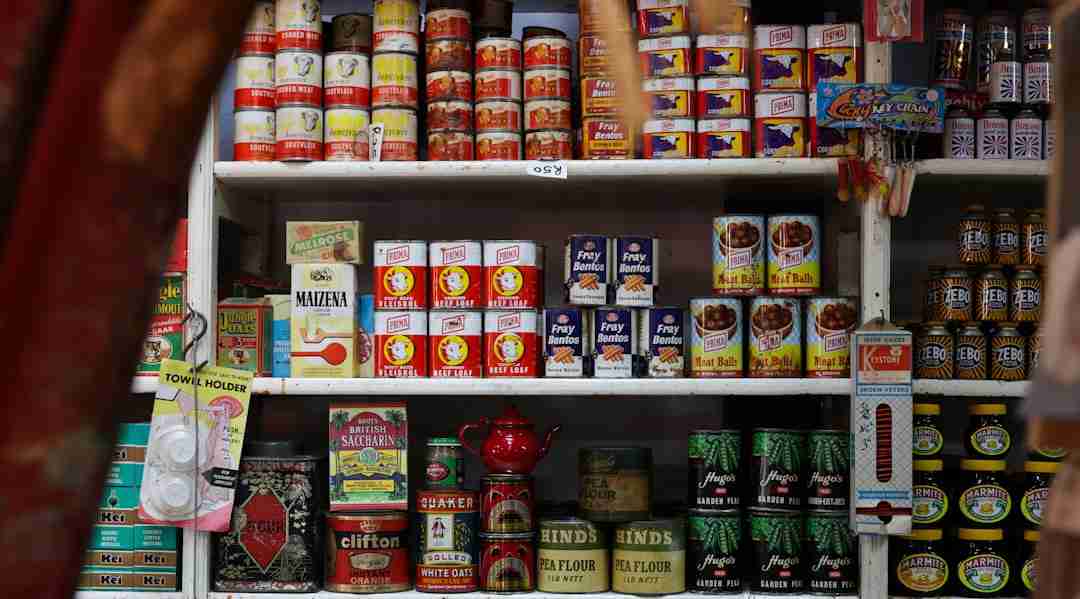
Imagine standing in the middle of a bustling grocery store in a foreign country, surrounded by unfamiliar brands, labels you can't read, and a layout that seems completely alien. The task of simply buying groceries suddenly feels overwhelming. But fear not. Many have navigated this maze before and emerged victorious. Here’s how you can master the art of grocery shopping abroad without losing your mind.
Learn the Language of Labels
Understanding what you’re buying is half the battle. Many find that familiarizing themselves with key food-related vocabulary in the local language can be incredibly helpful. Words for common ingredients like “sugar,” “flour,” “salt,” and dietary preferences such as “gluten-free” or “vegan” can make a world of difference.
To get started, language apps like Duolingo can be a fantastic resource for learning basic food-related terms. Also, consider carrying a small pocket dictionary or using a translation app like Google Translate that can scan and translate text in real-time. This is especially useful when deciphering ingredient lists or nutritional information. Taking the time to learn phrases related to food allergies or dietary restrictions can also be a lifesaver, ensuring you avoid any unwanted ingredients.
Embrace Local Brands and Products
Imported goods can be expensive and sometimes hard to find. Embracing local brands not only helps save money but also enriches your cultural experience. Research shows that local products often reflect the tastes and dietary habits of the region, offering a more authentic experience.
Start by exploring the local produce section. Many countries have unique fruits and vegetables that might be unfamiliar but are worth trying. For instance, in Southeast Asia, fruits like rambutan or durian are commonly found and can be a delightful adventure for the taste buds. In Europe, you might come across a variety of cheeses and meats that are unique to specific regions. Sampling these can provide insight into local culinary traditions and open up new flavor profiles.
The key takeaway here is to be open-minded and curious. You might discover a new favorite snack or staple that you wouldn’t have considered back home. If uncertain, consider asking fellow shoppers or store staff for their recommendations on popular local items.
Timing is Everything: Shop During Off-Peak Hours
Grocery stores can be chaotic, especially during peak hours. Shopping during quieter times can make the experience more pleasant and less stressful. Early mornings or late evenings are typically less crowded, allowing you to navigate aisles more freely.
In many countries, Sundays or the days leading up to major holidays can be particularly busy. Planning your shopping trips around these times can help you avoid long lines and crowded spaces.
Remember, the quieter the store, the more time you have to explore and make informed choices without feeling rushed. This can be particularly advantageous if you are new to the store layout and need extra time to locate items.
Understand the Store Layout
Grocery stores are often laid out in a specific manner, with fresh produce at the entrance, dry goods in the center, and dairy at the back. However, this can vary significantly between countries. Understanding the local store layout can save you time and reduce frustration.
If you're struggling to find something, don’t hesitate to ask store employees for help. Many are happy to assist and can point you in the right direction. This also provides an opportunity to practice your language skills. Some stores may even offer printed maps or guides at the entrance, which can be a great help.
Here's a quick tip: observe local shoppers and follow their lead. They often know the most efficient routes and can unintentionally guide you to what you need. Pay attention to where they gravitate towards during special promotions or sales, as these can be opportunities to try popular local products at a discount.
Budget Wisely with Local Currency
Managing expenses in a foreign currency can be tricky. It’s easy to lose track of spending when you're unfamiliar with the conversion rates. Professionals suggest using a currency converter app like XE Currency to keep tabs on how much you're spending in real-time.
Creating a shopping list with an estimated budget in the local currency can also help. This not only keeps you focused but also prevents impulse buys. Keep in mind that prices for everyday items can vary greatly. For example, the cost of bread might be significantly lower than what you're accustomed to, while imported goods might be priced higher. It’s useful to become familiar with local pricing norms to better gauge what constitutes a fair deal.
Navigate Payment Methods and Loyalty Programs
Payment methods can vary widely. In some countries, cash is king, while others prefer contactless payments or mobile wallets. It’s essential to familiarize yourself with the preferred local payment methods to avoid any last-minute surprises at checkout.
Moreover, many stores offer loyalty programs that provide discounts or points. Signing up for these can lead to significant savings over time. It’s worth asking at the checkout if there’s a program you can join. Often, all that’s required is a local phone number or address. These programs can sometimes include special member-only promotions or access to exclusive products, making them worth considering even for short stays.
Familiarize Yourself with Local Etiquette
Shopping etiquette can differ dramatically from one country to another. For instance, in some cultures, it’s customary to greet the shopkeeper upon entering, while in others, self-service is the norm, and interaction is minimal.
Understanding these cultural nuances can enhance your shopping experience and help you avoid inadvertent faux pas. People often appreciate when foreigners make an effort to respect local customs, and this can lead to more positive interactions. Simple gestures, such as using a reusable shopping bag or following local recycling practices, can also demonstrate respect and environmental awareness.
Utilize Technology to Your Advantage
In today’s digital age, technology can be a powerful ally. Many stores offer online shopping or have apps that provide information on products, prices, and even store maps. Utilizing these tools can streamline your shopping process.
For example, some grocery chains have apps that allow you to scan items as you shop, making the checkout process quicker. Others might offer online delivery services, which can be a lifesaver during busy weeks. Checking if the store has a dedicated app can also reveal exclusive offers or digital coupons that can be used for additional savings.
Consider downloading a few local apps before heading to the store. This preparation can make your shopping experience more efficient and less stressful. Apps that provide recipe suggestions based on local ingredients can also enhance your culinary adventures.
Explore Alternative Shopping Options
Beyond traditional grocery stores, explore local markets, specialty shops, or even online platforms. Farmers’ markets often offer fresh produce at competitive prices, and the atmosphere can be a delightful cultural experience. Engaging with vendors can provide valuable insights into how locals select and prepare their food.
Specialty stores might carry familiar international products that aren’t available in larger supermarkets. Online platforms like Amazon or region-specific services can also be handy for stocking up on non-perishable goods. Such platforms often have reviews and recommendations that can help guide your purchases.
Exploring these alternatives not only provides variety but also helps you discover lesser-known shopping gems in your new locale. Subscription services for local food boxes can also introduce you to seasonal produce and regional specialties, enhancing your culinary repertoire.
Take It One Step at a Time
Adjusting to grocery shopping in a new country is a process. It’s normal to feel overwhelmed at first, but remember that each trip to the store is an opportunity to learn and adapt. Start with small trips focusing on essentials and gradually expand your shopping list as you become more comfortable.
Many people find that over time, they develop a routine that works for them. Patience is key. With each shopping trip, your confidence will grow, and what once felt daunting will become second nature. Consider keeping a small journal or notes on your phone to track your progress and any tips you pick up along the way.
Make Your Next Shopping Trip Stress-Free
With these strategies, navigating grocery stores in a new country becomes a manageable task rather than a daunting challenge. By understanding local customs, embracing technology, and being open to new experiences, you can transform your shopping trips into a rewarding part of your living abroad journey.
So, the next time you find yourself in a foreign grocery store, remember these tips and take a deep breath. You've got this. And who knows, you might even find joy in discovering new tastes and culinary delights along the way.


