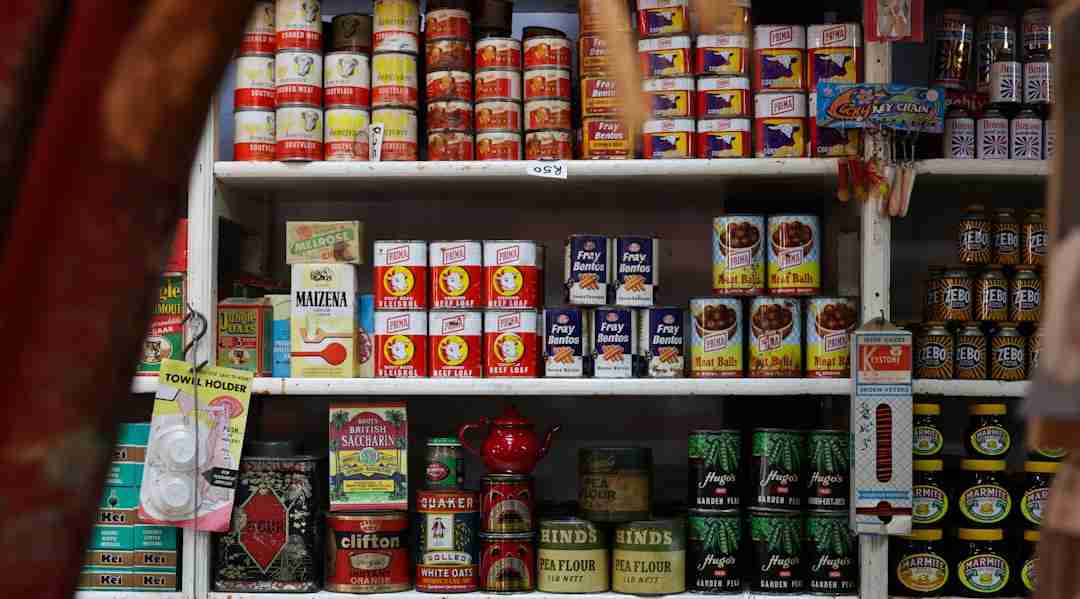
Imagine stepping into a bustling market in a foreign land, surrounded by stalls overflowing with exotic fruits, vibrant vegetables, and a cacophony of languages. Suddenly, grocery shopping becomes an adventure, not just a routine errand. But this delightful chaos can also be intimidating when trying to decipher labels or navigate unfamiliar customs. This guide aims to demystify the process, turning your international grocery shopping into a sophisticated yet enjoyable experience.
Decoding Labels: The Language Barrier
Understanding product labels in a foreign language can feel like cracking a code. Thankfully, there are strategies to simplify this task. Most countries have regulations requiring certain information on food packaging, such as nutritional content, ingredients, and expiration dates. Familiarizing yourself with these terms in the local language can be a game-changer.
Start with the basics: nutritional information often includes words like "calories," "protein," "carbohydrates," and "fats." These are typically listed in grams or percentages. For instance, "calorías" in Spanish or "calories" in French can be easily recognized. Another useful tip is to learn key allergy-related terms like "nuts" or "gluten," which can be critical for dietary restrictions. For example, the German word "Nüsse" for nuts or "glutenfrei" for gluten-free can be essential for those with allergies.
For those who prefer digital assistance, translation apps like Google Translate can instantly decipher labels by simply scanning them with your smartphone. This handy tool can save time and reduce the risk of purchasing the wrong item. Some apps even allow you to download language packs for offline use, ensuring you have access to translations in areas with limited internet connectivity.
Local Markets: Embrace the Experience
While supermarkets offer convenience, local markets provide an authentic taste of the region's culture and cuisine. Markets are often less expensive and feature fresher produce than their supermarket counterparts. Navigating these vibrant spaces requires a different approach.
Firstly, timing is everything. Visiting markets early in the morning typically yields the best selection of fresh produce. Additionally, local vendors are more open to negotiating prices when the market is less crowded. It's a common practice in many countries to haggle, so don't shy away from negotiating for a better deal. For instance, in many Southeast Asian markets, vendors expect customers to negotiate and often quote higher prices initially.
Engage with the vendors. Even if there's a language barrier, a smile and basic phrases like "How much?" or "Thank you" in the local language can go a long way. Vendors are often willing to share tips on how to prepare certain foods or offer samples. Remember that in some cultures, establishing a rapport with the vendor can lead to better deals and insider knowledge about the best products.
Apps and Tools: Your Digital Allies
Smartphones have transformed how travelers navigate foreign environments, and grocery shopping is no exception. Several apps can make this process more seamless. For instance, Yuka can scan barcodes to provide detailed product information, including health ratings and alternative suggestions. It's especially useful when trying to find healthier options or avoid specific ingredients. Moreover, Yuka's database includes international products, making it a reliable source for travelers.
Another useful app is GlobeTips, which can help you understand tipping customs in various countries. While not directly related to grocery shopping, knowing whether tipping is expected at local markets or delivery services can enhance your overall experience. For example, in Japan, tipping is generally not practiced and can even be considered rude, while in the United States, it is customary to tip service providers.
For those eager to explore new recipes with local ingredients, Tasty offers a vast array of recipes. You can input what you've purchased, and the app suggests meals you can create, making it easier to try local flavors without being overwhelmed by unfamiliar ingredients. This feature is particularly beneficial for those who wish to experiment with regional dishes and expand their culinary repertoire.
Supermarket Chains: Familiar Names with Local Twists
In many countries, well-known supermarket chains have adapted to local tastes and needs. For example, Carrefour, a French multinational, operates in over 30 countries, each with a selection tailored to regional preferences. While you may find familiar brands, expect to see a variety of local products unique to that country.
When shopping in these stores, consider trying store-brand items. They often offer quality comparable to name brands but at a lower cost. Additionally, exploring these products can introduce you to local flavors you might otherwise overlook. For instance, in Italy, supermarket chains like Coop or Esselunga offer private-label pasta and sauces that reflect authentic Italian tastes.
Be aware of the layout. Supermarkets often categorize products differently in each country. For example, what might be a refrigerated product in one country could be found on a regular shelf in another. Understanding these nuances can help you locate items more efficiently and avoid unnecessary frustration.
Budgeting and Payment: Local Currency and Practices
Navigating payment systems abroad can be tricky, especially with fluctuating exchange rates and different currencies. It's wise to familiarize yourself with the local currency before shopping. Apps like XE Currency offer real-time currency conversion, which can help you make informed decisions at checkout. Additionally, keeping track of exchange rates over time can help you budget more effectively during your trip.
In terms of payment, while credit cards are widely accepted, carrying some cash is advisable for local markets or smaller vendors. Be aware that some countries add a surcharge for credit card payments, so checking your receipt is always a good practice. For instance, in some European countries, using cash might be preferred for small transactions to avoid additional charges.
Understanding local tipping customs is also important. In some countries, service charges are included in the price, while in others, tipping is customary. For example, in many European countries, service charges are often included in the bill, whereas in North America, tipping is expected on top of the bill amount.
Dietary Preferences and Restrictions: Finding Your Fit
Those with dietary restrictions or preferences might worry about finding suitable products abroad. Yet, many countries are increasingly accommodating to various diets, including vegan, gluten-free, and organic.
Specialty stores can be a lifesaver. For instance, Whole Foods Market has international locations offering organic and specialty products. Many cities also have local health food stores with a selection tailored to popular dietary needs. In Germany, for example, "biomarkt" stores focus on organic and health-conscious options.
Don't hesitate to ask locals or expats for recommendations on where to find products that fit your dietary requirements. Online forums and community groups can also be invaluable resources for discovering hidden gems that cater to specific diets. Engaging with these communities can provide insights into local brands and products that align with your dietary preferences.
Food Safety and Quality: Ensuring Freshness
Ensuring the quality and safety of food purchased abroad is crucial. Many countries have stringent food safety standards, but it's still important to remain vigilant.
When buying fresh produce, inspect items for freshness. Signs of spoilage, such as discoloration or an off smell, should be avoided. In markets, vendors often display the best-looking produce, but don't hesitate to ask for fresher stock if needed. It's also useful to inquire about the source of the produce, as locally grown items are often fresher and more sustainable.
For packaged goods, always check expiration dates. While this might seem obvious, date formats can vary internationally, leading to potential confusion. Typically, European countries use the day-month-year format, which differs from the month-day-year format used in the United States. Being aware of these differences can prevent misunderstandings and ensure you purchase the freshest products available.
Sampling and Trying New Foods: Expand Your Palate
One of the joys of grocery shopping abroad is discovering new flavors. Sampling unfamiliar foods can be both exciting and daunting. Trying small quantities first is a good strategy, especially if you have a sensitive palate.
Many markets and stores offer samples, providing a risk-free way to taste before buying. Embrace this opportunity to broaden your culinary horizons. You might discover a new favorite snack or an ingredient that transforms your cooking. For example, trying artisanal cheeses in France or unique spices in India can add depth and variety to your meals.
Remember that tastes can vary significantly. What might be a traditional delicacy in one country could be an acquired taste for outsiders. Keeping an open mind and a sense of humor can make these culinary adventures more enjoyable. It's about the experience as much as the taste, and embracing the unexpected can lead to delightful surprises.
Conclusion: Start Your Adventure Today
Embarking on grocery shopping adventures abroad is a unique way to connect with a new culture. By understanding local customs, using technology to your advantage, and embracing the unfamiliar, you can transform a mundane task into an enriching experience. Whether it's navigating a bustling market or decoding a product label, the skills you gain will enhance your travel and broaden your global perspective. So, next time you find yourself in a foreign land, take a deep breath, grab a shopping basket, and dive into the vibrant world of international grocery shopping.