Imagine walking into a grocery store abroad, expecting to find familiar aisles and products, only to discover that nothing is where it should be. The milk isn't in the refrigerated section, bananas have a special protective case, and there's an entire aisle dedicated to instant noodles. Navigating grocery stores in a foreign country can be both an exciting adventure and a bewildering challenge. But understanding these local quirks can make settling into a new place a lot easier. Here's what you need to know to master the art of shopping like a local.
Discovering New Layouts: The Refrigerated Milk Paradox
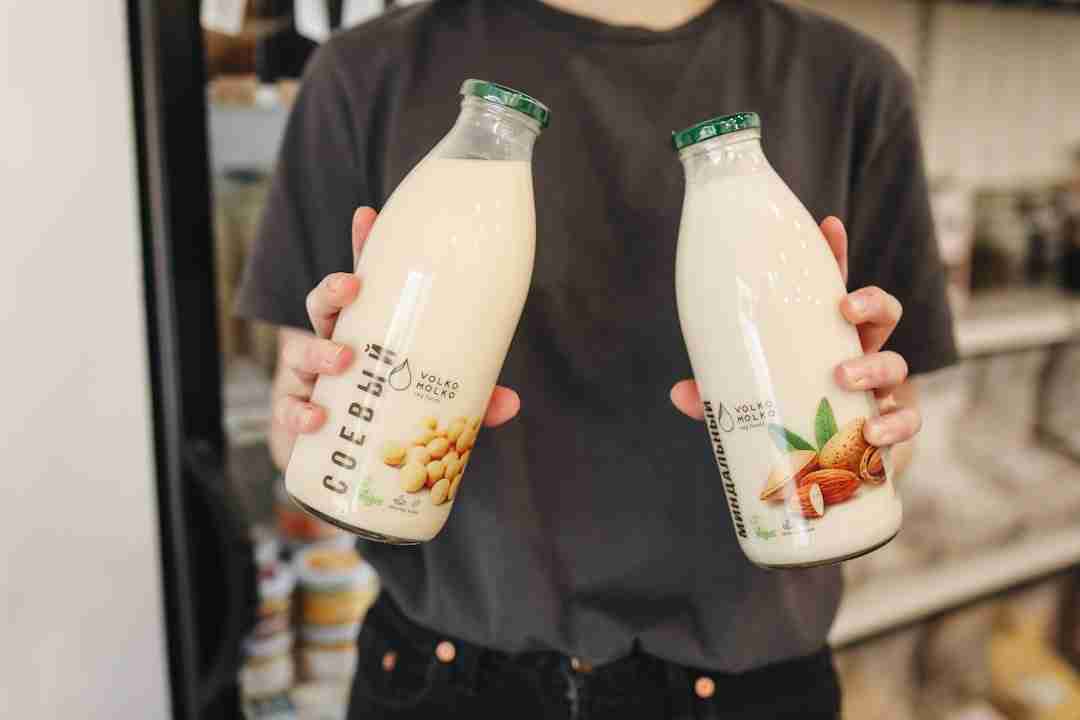
In many European countries, you might be surprised to find that milk isn't in the refrigerated section. Instead, it's stored on regular shelves in tetra packs. This is because they use UHT or ultra-high-temperature processing, which allows milk to be stored at room temperature until opened. This can be a shock to those accustomed to always finding milk chilled. If you're in Germany, France, or Italy, this is common practice. Keep an eye out for the refrigerated alternatives if you prefer the milk cold from the get-go. And remember, once opened, UHT milk does need refrigeration. For those who are lactose intolerant or prefer plant-based options, these countries often offer a wide variety of milk alternatives, such as almond or oat milk, which may also be found unrefrigerated.
Produce: Handling and Bagging
In many countries, particularly in Europe and Asia, you're expected to bag and weigh your produce before reaching the checkout. This involves finding the small scales in the produce section, placing your items on them, and printing out a price sticker. This process can be surprising for those used to clerks handling this step. In Italy, failing to do this can lead to frustrated cashiers and delayed lines. Always look for pictograms or instructions nearby, or observe locals to see how they do it. In some places, such as Germany, you might find that different types of produce require different weighing methods or stickers, so paying attention to details is essential.
Bagging Your Own Groceries
Bagging groceries yourself is another common practice in many parts of the world. In places like Australia and the UK, cashiers quickly scan items and slide them down the counter for you to bag. Bringing your own bags is not just environmentally friendly but often necessary to avoid extra charges. In some stores, you'll even find bagging stations to help streamline the process. Consider investing in a durable set of bags that fold easily into your purse or backpack. In some parts of Europe, there are even incentives for bringing reusable bags, such as small discounts or loyalty points, encouraging sustainable habits.
Unique Aisles: Instant Noodles Galore
Asia is known for its extensive selection of instant noodles. In countries like Japan and South Korea, entire aisles are dedicated to this staple, offering a variety of flavors and types that might be unknown to many. These aren't just your standard chicken or beef flavors. You'll find seafood, spicy kimchi, and even cheese-flavored options. While instant noodles are popular worldwide, the diversity and innovation in these countries are unmatched. Sampling a few can provide a quick, affordable, and tasty meal option. It's not uncommon to find limited edition flavors or collaborations with popular local brands, making each shopping trip a unique culinary exploration.
The Mystery of the Egg Aisle
In the United States, eggs are found in the refrigerated section, but that's not the case everywhere. In many parts of Europe, Asia, and Latin America, eggs are stored at room temperature. This is possible because eggs in these regions aren't washed, preserving their natural protective coating. As a result, they don't require refrigeration to stay fresh. When shopping, ensure you handle them carefully, as they might not be as robust without this extra protection. You may also notice that egg cartons abroad often include labels detailing the hen's diet and living conditions, which can be a fascinating insight into local agricultural practices.
Specialty Foods: Embracing Local Flavors
Grocery stores abroad often offer a treasure trove of local specialties. In Spain, for instance, you might find entire sections devoted to jamón ibérico, a type of cured ham. In France, the cheese section can be overwhelming with its vast selection. Exploring these aisles can be a delightful way to immerse yourself in the local culture. Try picking up something new each visit, whether it's a local cheese, a type of bread, or a regional snack. Some stores offer tasting stations or samples, allowing you to try before you buy, which can be a great way to discover new favorites without commitment.
Payment Methods: Cash vs. Card
Payment preferences can vary significantly. In countries like Japan, cash is still king, despite its technological advancements. In contrast, Scandinavia is almost entirely cashless, with mobile payments being the norm. Before heading to the store, it's wise to check the local payment trends. Carrying a small amount of local currency is always a good idea, but having a credit card with no foreign transaction fees can also come in handy. For those who prefer digital payments, Apple Pay or Google Wallet are widely accepted in many places. It's also worth noting that some countries have their own preferred payment apps, such as Alipay in China or Paytm in India, which can offer additional convenience and deals.
Store Hours: Planning Your Shopping Trips
Store hours can differ greatly from what you may be used to. In some European countries like Germany and Switzerland, stores close early, especially on weekends. Sundays might see many places shut altogether. In contrast, many Asian countries boast 24-hour convenience stores, making late-night shopping a breeze. Understanding these hours can help you plan your shopping trips more effectively. Apps like Google Maps can be invaluable for checking store hours in real-time. It's also beneficial to note that holiday schedules can vary greatly, with some countries closing stores for local festivities or national holidays, so keeping an eye on the local calendar can prevent unexpected closures.
Language Barriers: Overcoming Communication Challenges
When shopping in a foreign country, language barriers can pose an additional challenge. However, many stores use universal symbols and pictograms to indicate sections and product types. Learning a few key phrases in the local language, such as "How much does this cost?" or "Where can I find…?" can be incredibly helpful. Translation apps on your smartphone can also aid in understanding product labels or asking for assistance. In tourist-heavy areas, you might find multilingual staff, but it's always courteous to make an effort to communicate in the local language.
Embracing the Unexpected
Living abroad means embracing the unexpected, and grocery shopping is no exception. Every trip to the store is a chance to learn something new and understand the daily life of locals. Being open to these differences can make the experience less daunting and more enjoyable. If you're unsure about something, don't hesitate to ask a fellow shopper or staff member for assistance. Often, locals are more than happy to help and might even share a tip or two. Observing the locals' shopping habits can also provide invaluable insights into popular products and seasonal specialties.
Actionable Steps for Your Next Shopping Trip
-
Research Local Customs: Before heading out, spend a few minutes researching shopping customs in your new country. Knowing what to expect can save a lot of confusion and time.
-
Prepare for Weighing Produce: If you're in a region where weighing produce is required, familiarize yourself with the process. Look for guides or videos online to see how it's done.
-
Check Payment Preferences: Make sure you have the right form of payment. Whether it's cash, card, or digital wallet, being prepared ensures a smooth checkout process.
-
Explore and Experiment: Use your shopping trips as an opportunity to explore new foods. Pick one unfamiliar item each time you shop and find a recipe to try.
-
Plan Around Store Hours: Knowing when stores are open can prevent wasted trips. Use apps to check current operating hours and plan accordingly.
-
Be Mindful of Local Traditions: Understanding local customs can enhance your shopping experience. For instance, in some cultures, haggling is expected in markets, while in others, it might be considered rude.
By understanding and adapting to these local quirks, grocery shopping abroad becomes less of a chore and more of an adventure. The insights gained can help you integrate into your new community and make your stay abroad more fulfilling. So next time you enter a foreign grocery store, embrace the challenge and enjoy the journey.


