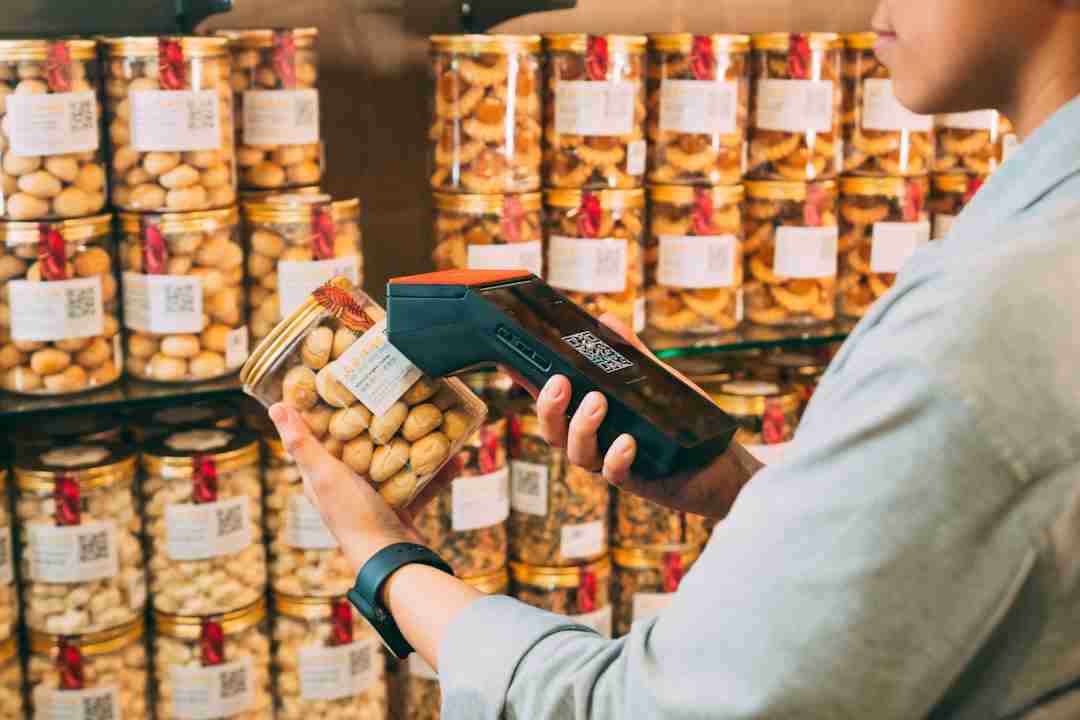
You find yourself in the middle of a sprawling grocery store in a foreign country, surrounded by unfamiliar brands and labels in a language you barely understand. This can feel overwhelming. But navigating a grocery store abroad doesn't have to be a daunting experience. Many have successfully turned this challenge into an exciting opportunity to explore new culinary landscapes. So, how can you make your next grocery trip in a new country less stressful and more enjoyable?
Familiarize Yourself with Local Grocery Chains
One of the first steps to take is understanding the local grocery landscape. In many countries, certain chains dominate the market. For instance, in the UK, you might find yourself choosing between Tesco, Sainsbury's, or Waitrose. Each chain has its unique characteristics, from price points to product offerings. It's often recommended to do a bit of online research before your first visit. This can give you a sense of which stores align with your budget and shopping preferences.
Exploring forums and expatriate communities online can also provide valuable insights into which grocery chains offer the best products or deals. Many expatriates share their experiences and recommend specific stores for particular products, such as organic produce or international goods. This can be a time-saver and help you feel more confident when stepping into a new grocery environment.
Many grocery stores have online platforms where you can browse their product range. This can be particularly helpful in familiarizing yourself with local brands and products. Knowing what to expect can significantly reduce the initial confusion and help you plan your shopping list more effectively. Some chains even offer virtual tours or maps of their stores, allowing you to navigate them virtually before you set foot in them.
Learn Basic Grocery-Related Vocabulary
A little language goes a long way. Learning some key phrases and words related to grocery shopping can make a significant difference. This doesn't mean you need to become fluent overnight, but understanding basic terms such as "milk," "bread," "checkout," and "discount" can make the process smoother. Consider carrying a pocket-sized dictionary or using a translation app like Google Translate to assist with real-time translations.
Flashcards or language apps like Duolingo can be excellent tools for picking up grocery-related vocabulary. These apps often have themed lessons, including shopping, food, and dining, which can be tailored to your needs. Practicing these words regularly can boost your confidence and make your grocery trips more efficient.
Many find that local language classes offer specialized vocabulary sessions that include shopping terms. If you're staying in the country for an extended period, joining these classes can be both a social and educational benefit. Plus, interacting with locals can provide insights into what products are popular or currently in season. Language exchanges or meetups can also be a fun way to practice your skills and make new friends.
Identify and Embrace Local Products
While it might be tempting to search for familiar brands from back home, embracing local products can enhance your culinary experience abroad. Many countries pride themselves on unique, high-quality goods that aren't available elsewhere. For example, Japan is renowned for its variety of soy sauces and rice, while Italy offers unparalleled selections of olive oils and pasta.
Reading labels might seem challenging, but it often leads to delightful discoveries. Many packaging includes pictures or icons that can help you identify what's inside. Additionally, there are apps specifically designed to scan and translate product information, making it easier to understand what you're purchasing. Exploring local products not only enriches your meals but also supports local farmers and producers.
Consider seeking out local farmer's markets or specialty stores, as they often carry products that are not available in larger chain stores. These venues can provide an authentic taste of the region's offerings and often include artisanal goods, such as handmade cheeses or freshly baked bread. Not only does this contribute to a more sustainable shopping experience, but it also fosters a deeper connection with the local community.
Understand the Layout and Flow of Stores
Grocery store layouts can vary drastically from country to country. In some places, you might find fresh produce right at the entrance, while others might start with household items. It's helpful to observe the flow of the store on your first visit without the pressure of buying anything. Take note of where essential items like dairy, bakery, and meats are located.
Experts suggest that many stores follow a similar layout for practical reasons. Fresh items are often placed at the perimeter, while processed foods are located in the center aisles. Understanding this can help you navigate more efficiently and avoid unnecessary wandering. If you're pressed for time, consider visiting during off-peak hours when the store is less crowded, allowing for a more relaxed exploration.
Some stores offer printed or digital store maps at the entrance, which can be invaluable tools for first-time visitors. These maps often highlight where specific product categories are located, such as organic sections, international foods, and dietary-specific aisles. Familiarizing yourself with these maps can save you time and help you avoid the frustration of searching for items.
Use Technology to Your Advantage
In today's digital age, technology can be a great ally in grocery shopping. Apps like Instacart or Shipt offer online grocery delivery services, which can be particularly useful if you're still adjusting to the local environment. While these services might not be available in every country, many regions have local equivalents that offer similar conveniences.
Moreover, using a digital list app like Notion or Trello can help you organize your shopping list and even collaborate with family or housemates. By including categories like "must-haves," "try something new," or "local favorites," you can streamline your shopping process and ensure you don't miss out on essentials.
Price comparison apps can also be a smart tool to use, helping you find the best deals and promotions available in various stores. These apps often feature user reviews and ratings, providing insight into product quality and value. By keeping abreast of sales and discounts, you can make more informed purchasing decisions and stretch your budget further.
Understand Pricing and Payment Methods
Prices can be a major shock when shopping in a new country, especially if you're not familiar with the local currency. It's advisable to get an idea of average costs for staple items, such as bread, milk, and eggs, to avoid any surprises at checkout. Websites like Numbeo offer insights into the cost of living in various countries, including average grocery prices.
Currency conversion apps can be invaluable when trying to understand prices in a foreign currency. Apps like XE Currency provide real-time exchange rates and can save you from miscalculations. It's also beneficial to familiarize yourself with the local tax system, as taxes may or may not be included in the displayed prices.
When it comes to payment, not all countries are as card-friendly as others. While some places might rely heavily on cash, others may prefer contactless payments or specific local payment apps. Familiarizing yourself with these methods can save you time and frustration at the checkout. Always have a backup payment method just in case one isn't accepted. It's also worth noting that some countries offer cashback options or additional discounts for specific payment methods, which can be a nice bonus.
Engage with Store Staff and Locals
Don't hesitate to ask for help when needed. Store staff are usually more than willing to assist, and their local knowledge can be invaluable. Whether you're looking for a specific product or need clarification on a label, a simple inquiry can often lead to helpful advice.
Additionally, engaging with locals, whether they're fellow shoppers or neighbors, can provide insights that aren't readily available online. Many find that locals are eager to share tips on where to find the freshest produce or the best deals. These interactions not only enhance your shopping experience but also help build connections within your new community.
Participating in local events or community gatherings can also be a great way to meet people and learn more about the culture. Cooking classes, food festivals, or farmers' markets are excellent venues to network and get recommendations for local products or recipes. Building these relationships can transform your grocery shopping from a mere chore into a rich cultural exchange.
Take Advantage of Loyalty Programs
Many grocery stores offer loyalty programs that can lead to significant savings over time. These programs often provide discounts, points for future purchases, or exclusive deals. Signing up is usually a straightforward process and can be done either in-store or online.
It's worth noting that while some programs are free, others might require a small fee. Weigh the costs against the potential savings to determine if it's a worthwhile investment. Keeping track of these benefits can be as simple as downloading the store's app or using a dedicated section in your digital planner.
Some loyalty programs include special perks such as early access to sales, birthday discounts, or invitations to store events. These benefits can enhance your shopping experience and make you feel more connected to the local community. By staying informed about the latest promotions and offers, you can maximize the value of these programs and enjoy a more rewarding shopping experience.
Conclusion: Make Your Next Trip a Culinary Adventure
Living in a new country presents a unique opportunity to expand your culinary horizons. By embracing the local grocery shopping experience, you're not just buying food—you're immersing yourself in the culture. Each trip to the store can become an adventure, filled with new flavors and discoveries. Start today by researching local chains, learning a few key phrases, and exploring the aisles with an open mind. With these strategies, you'll soon find that navigating a grocery store in a new country is less about survival and more about exploration.