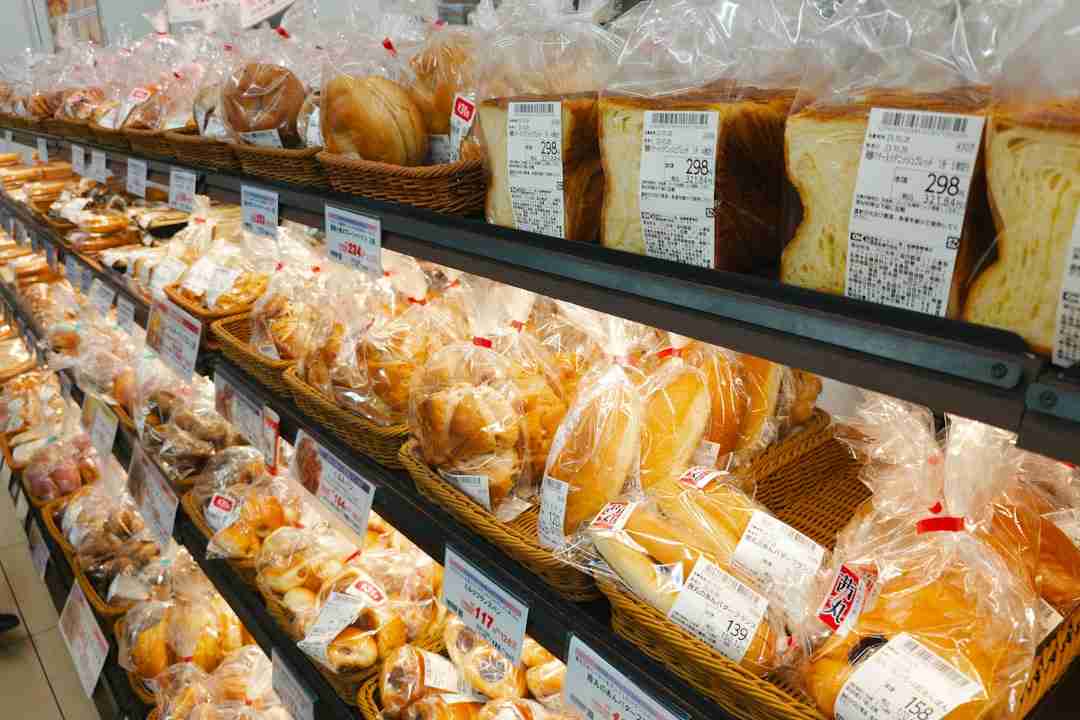
Imagine walking into a grocery store in a foreign country, surrounded by unfamiliar brands, labels you can't quite decipher, and an array of products that defy your expectations. It's a common experience for travelers and expatriates alike, one that can range from bewildering to downright frustrating. Yet, with the right approach, navigating grocery stores abroad can become one of the most enjoyable and enlightening parts of immersing yourself in a new culture.
Recognizing Labels and Ingredients: Your First Line of Defense
One of the biggest hurdles faced when grocery shopping abroad is the language barrier. Labels might be filled with incomprehensible words, leaving you guessing about the contents and nutritional information. The solution? A translation app. Tools like Google Translate can be a lifesaver, especially with features that allow you to point your phone at text for an instant translation. However, be aware that translations can sometimes be imperfect, so cross-referencing with ingredient lists or using apps like Fooducate can help provide clarity on nutrition.
Another tip? Familiarize yourself with common food terms in the local language before you shop. Knowing the words for essential items like milk, eggs, wheat, or nuts can make a world of difference. This isn't always straightforward, as some countries may use different terms or have a unique set of dietary products. But equipping yourself with even basic vocabulary can ease the process significantly. Additionally, some countries have distinct labeling standards for organic or non-GMO products, which might differ from what you are accustomed to, so understanding these can aid in making informed choices.
Embrace the Local: Exploring New Ingredients and Flavors
While the temptation to stick to familiar brands is strong, embracing local products can enhance your culinary experience. Local ingredients often mean lower prices, as imported goods can carry hefty price tags. Locally sourced produce tends to be fresher and can offer unique flavors that are integral to the local cuisine. Take Italy, for example, where fresh pasta and local cheeses are not only plentiful but also cheaper than imported alternatives. In Thailand, exploring the variety of fresh herbs and spices can introduce you to a whole new world of cooking.
To ease into this, start with small steps. Pick one or two new items each trip and incorporate them into your meals. This could mean trying a regional cheese, a type of bread, or a local spice. The reality is, this exploration can lead to discovering new favorites and flavors that you might bring back home. And don't hesitate to ask store employees for recommendations. They're often more than willing to help guide you through the products unique to their country. Local markets are also excellent places to seek out advice directly from vendors on how best to prepare and enjoy their products.
Understanding Pricing: Navigating Costs and Currency
Different countries have different pricing structures. In some places, taxes are included in the advertised price, while in others, they're added at checkout. Knowing this can prevent any surprises at the register. Fluctuating exchange rates can skew your sense of cost. To avoid confusion, use a currency conversion app like XE Currency to get real-time exchange rates and keep track of how much you're spending in your home currency.
Also, be aware that some countries may have different measurement systems. While many places use the metric system, others may still use imperial units. Understanding these differences can help you better estimate how much you're buying and at what cost. For example, in the United Kingdom, you might find milk sold in pints instead of liters. Adapting to these systems can streamline your shopping experience and prevent potential mishaps.
The Art of Bargain Hunting: Sales, Discounts, and Loyalty Programs
Every savvy shopper knows that sales and discounts are key to saving money. However, these deals vary greatly across countries. In some places, discounts are marked clearly, while in others, you might need to sign up for a loyalty program to receive savings. These programs often require a local phone number, so consider purchasing a prepaid SIM card if you're staying for an extended period.
It's also worth noting that some countries have specific days for sales, such as market days, where fresh produce is sold at reduced prices. A little research on local shopping habits can reveal these opportunities. Keeping an eye out for clearance sections, which can offer products nearing expiration at a fraction of the cost, is another effective strategy. In France, for instance, you may find reduced prices on bread and pastries towards the end of the day, offering the chance to enjoy premium local products at a discount.
Mastering the Checkout: Payment Methods and Etiquette
Payment methods can differ significantly around the world. While credit cards are widely accepted, some countries prefer cash or have additional fees for card transactions. It's advisable to carry a small amount of local currency for such instances. Additionally, some places may not accept certain card types, so having a backup payment method is wise.
In terms of etiquette, knowing the local norms can ease the checkout process. For example, in some cultures, it's customary to bag your own groceries, while in others, this is done for you. Observing the locals or asking for assistance can help you navigate these nuances smoothly. In Japan, it's considered polite to hand over cash with both hands, whereas in many European countries, tipping the cashier is not customary.
Sustainable Shopping: Eco-Friendly Practices and Packaging
Sustainability is a global concern, and many grocery stores abroad are increasingly adopting eco-friendly practices. You might find stores that charge for plastic bags to encourage the use of reusable ones. Bringing your own tote bag is not only environmentally friendly but can also save you money.
Some countries have bulk sections where you can purchase items without packaging. This not only reduces waste but often allows for cost savings. If reducing your carbon footprint is important to you, research local stores that prioritize sustainability. In Germany, for example, many stores offer a "Pfand" system where you can return glass and plastic bottles for a small refund, promoting recycling and reducing waste.
Utilizing Technology: Apps and Tools for Stress-Free Shopping
Technology can be your best ally in navigating foreign grocery stores. Besides translation and currency apps, consider using grocery store apps that can offer store layouts, product availability, and exclusive discounts. Many countries have their own popular apps, so a quick search in the app store can reveal what's available.
For those who prefer to plan their shopping trips meticulously, apps like Notion or Trello can help create detailed shopping lists and track purchases. This approach not only saves time but also ensures you don't forget essential items. Some apps even allow you to scan product barcodes to check prices and reviews, making it easier to compare options on the spot.
Engaging with the Community: Learning from Locals and Expatriates
Don't underestimate the power of community when grocery shopping abroad. Engaging with locals and expatriates can provide invaluable insights into shopping practices and cultural nuances. Online forums and social media groups dedicated to expatriates often share tips on where to find specific products and how to score the best deals.
Joining cooking classes or food tours can also deepen your understanding of local ingredients and how they're traditionally used. This hands-on approach not only enhances your grocery shopping experience but enriches your overall cultural immersion. In Spain, for instance, attending a tapas cooking class can introduce you to the diverse uses of local olive oils and cheeses, enhancing your appreciation of regional specialties.
Finding Comfort in Familiarity: Balancing New and Old
While embracing new experiences is part of the adventure, finding familiar brands can provide a sense of comfort. International sections in larger grocery stores often stock recognizable products. However, these can be pricier due to import costs. Balance is key. Incorporate a mix of local and familiar items to create a shopping experience that feels both exciting and reassuring.
To conclude, grocery shopping abroad is not merely about acquiring food; it's an opportunity for cultural exchange and personal growth. By approaching it with an open mind and a few practical strategies, you can transform what might seem like a daunting task into a delightful adventure. So, the next time you find yourself in a foreign grocery store, embrace the aisles with curiosity and confidence. It might just become your favorite part of living abroad.