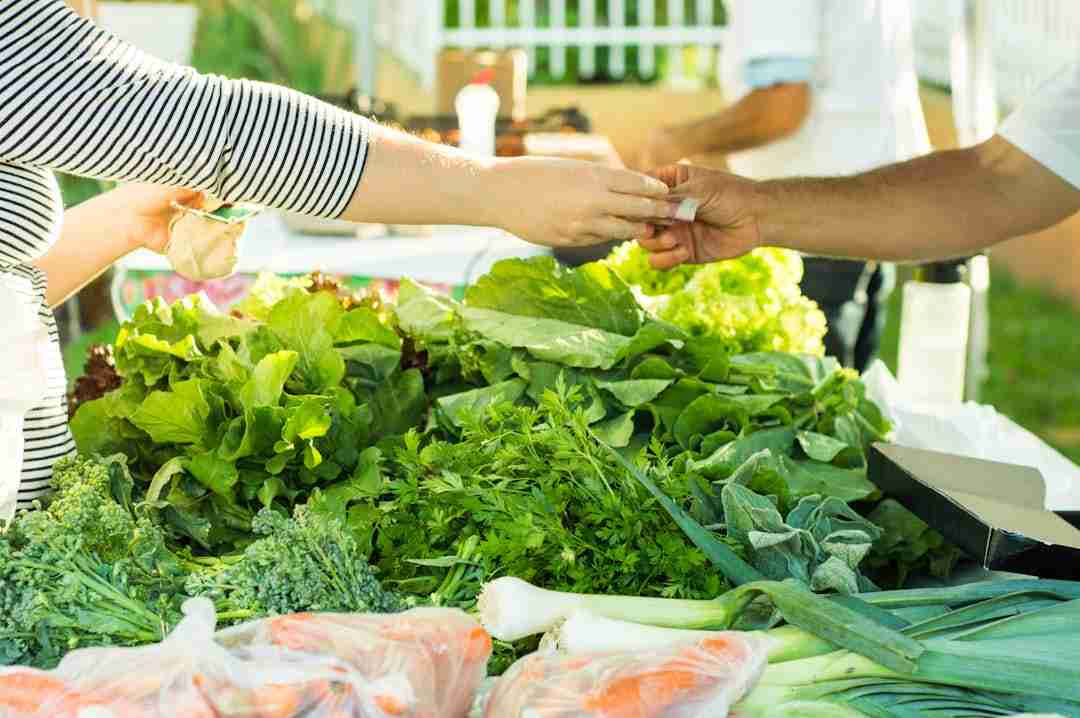
Grocery shopping in a new country can feel like navigating a maze with one eye closed. Imagine stepping into a bustling market where labels are in a language you barely understand, and staple items from home are nowhere to be found. This scenario is a reality for many expats and international students. But don't worry—there's a method to this madness, and navigating it successfully can turn a daunting chore into an exciting adventure.
Understanding Local Brands and Packaging: A Game Changer
One of the first challenges in a new country is deciphering local brands and packaging. Entering a grocery store can feel overwhelming when familiar brands are replaced by local alternatives. The key is to start with research. Before heading out, take some time to read reviews and forums where expats discuss their favorite local brands. Websites like Expat Forum can be a treasure trove of information.
Another trick is to use translation apps. Tools like Google Translate can help identify key ingredients or nutritional information by simply scanning the packaging. Some shoppers even take photos of products to compare later at home. Once familiar with local brands, the shopping experience becomes more intuitive and less stressful.
For example, if you’re in Japan, understanding the difference between “mirin” and “sake” might seem daunting, but a quick scan with a translation app can clarify their uses in cooking. Similarly, recognizing the logos of trusted local brands can save time and ensure quality, turning what seemed like a foreign product into a staple in your pantry.
Local Markets vs. Supermarkets: Choosing the Right Place
Selecting between local markets and supermarkets is a decision that can impact both budget and shopping experience. Many find that local markets offer fresher produce at lower prices. They often provide an authentic experience and the opportunity to practice language skills with vendors. However, supermarkets offer convenience and a more extensive selection of international foods.
Research shows that local markets can be up to 30% cheaper for fresh produce. But supermarkets might be the go-to for packaged goods and household items. Consider visiting both to see which aligns better with your needs.
In countries like France, the local markets can offer artisanal cheeses or freshly baked baguettes, creating a sensory experience that supermarkets might lack. On the other hand, supermarkets in urban areas often stock international sections, allowing you to find familiar comfort foods from home. Balancing visits between these two options can offer both variety and economic benefits.
Mastering the Art of Local Currency and Payment Methods
Handling local currency can be a hurdle, especially when you're not familiar with the exchange rates. Many expats recommend using dedicated currency conversion apps, like Xe Currency, to get a real-time understanding of how much you're spending in your home currency.
In terms of payment, some countries lean heavily on cash transactions, while others prefer contactless payments or credit cards. Understanding which is more prevalent can save a lot of hassle at checkout. If cash is king, ensure you’re withdrawing from ATMs that offer fair rates and low fees. Conversely, if digital payments are the norm, setting up a local bank account might be a wise move.
For instance, in Germany, cash is often preferred, making it necessary to carry enough for your shopping trip. In contrast, Sweden's advanced digital payment systems mean that even small purchases can be made with a card or mobile payment app. Knowing these preferences helps you avoid awkward situations at the checkout counter.
Navigating Aisles: Cultural Differences in Grocery Layout
Grocery store layouts can vary dramatically from country to country. In some places, dairy might be located at the entrance, while in others, it's hidden at the back. Experts suggest taking a preliminary walk through the store to familiarize yourself with the layout. Many find taking notes or snapping photos can help remember where items are located.
Understanding cultural differences in product placement can also be enlightening. For example, spice-heavy countries may have an extensive spice aisle, while others might dedicate more space to dairy or seafood. Recognizing these differences not only helps in finding products but also enriches cultural understanding.
In Italy, you might find that pasta aisles are more extensive than in other countries, reflecting local dietary habits. Similarly, in the UK, the tea section might appear larger than expected. By observing these nuances, you gain insight into local culture and can adapt your shopping habits accordingly.
Adapting to Seasonal and Regional Foods
Seasonal and regional foods can offer a delightful surprise. However, they might also mean that some favorites from home are unavailable. One approach is to embrace these new options by experimenting with local recipes. Websites like Allrecipes often have regional sections that can provide inspiration.
Experts recommend asking locals or fellow expats for tips on incorporating seasonal produce into daily meals. This can lead to discovering new favorites and helps in adapting to what's available. Plus, seasonal foods are often fresher and cheaper.
For example, if you find yourself in Southeast Asia, the abundance of exotic fruits like durian or rambutan can be a treat for the adventurous palate. Meanwhile, in the Mediterranean, seasonal olives or figs can elevate your culinary creations. Embracing these opportunities not only diversifies your diet but also enhances your appreciation of local agriculture.
Language Barriers: Breaking Down the Wall
Language barriers are among the most significant challenges when grocery shopping abroad. For those not fluent in the local language, this can lead to misunderstandings and frustration. Thankfully, there are several strategies to overcome this hurdle.
Firstly, learning basic grocery-related phrases can be immensely helpful. Language learning apps like Duolingo can provide a quick way to pick up necessary vocabulary. Additionally, carrying a small phrasebook or a translated list of common grocery items can aid in communication.
Another tip is to observe and mimic local shopping habits. Watching how locals select produce or inquire about products can offer valuable insights into cultural nuances and communication styles.
In markets throughout South America, for instance, understanding the intricacies of bargaining can lead to better prices and more engaging interactions with vendors. By learning common phrases and polite expressions, you can enhance your shopping experience and build rapport with local sellers.
Embracing Technology: Apps that Make Life Easier
Technology can be a lifesaver when navigating grocery shopping in a new country. Beyond translation apps, many expats find grocery delivery and price comparison apps extremely useful. Apps like Instacart or country-specific alternatives often provide a convenient way to shop without the stress of communication barriers.
Price comparison apps can also help identify the best deals, ensuring that shopping stays within budget. Additionally, many grocery stores have their own apps that offer digital coupons, store maps, and loyalty programs. Taking advantage of these can lead to significant savings.
In countries with well-established e-commerce, such as South Korea, apps can even provide same-day delivery, making it easier than ever to keep your pantry stocked. By integrating these technologies into your routine, you can streamline your shopping process and make informed choices with ease.
Building a Routine: The Path to Stress-Free Shopping
Creating a routine can transform the chaotic experience of grocery shopping into a manageable task. Many find that visiting the store during off-peak hours, like weekday mornings, can make the trip more pleasant. It's also helpful to create a shopping list based on a weekly meal plan, which reduces the time spent wandering aisles.
Another strategy is to set aside a specific day each week for grocery shopping. This habit not only helps in managing time but also in tracking expenses. Experts suggest keeping receipts and noting down prices to monitor spending over time.
For instance, in bustling cities like New York or Tokyo, avoiding weekends for grocery runs can mean the difference between a quick trip and a crowded ordeal. By establishing a routine, you can turn shopping into a predictable and efficient part of your weekly schedule.
Engaging with the Community: A Hidden Resource
Lastly, engaging with the local community can provide support and insights that aren't found online. Joining expat groups on social media platforms like Facebook can connect newcomers with seasoned expats who offer valuable advice on local shopping tips and tricks.
Attending community events or local cooking classes can also be an excellent way to understand dietary customs and discover new ingredients. Moreover, these interactions often lead to friendships and a deeper connection with the host country.
Participating in local festivals or farmers' markets can further immerse you in regional culture, allowing you to explore traditional foods and artisanal products. By engaging with the community, you not only enhance your shopping experience but also build a network of support and camaraderie.
In conclusion, navigating grocery shopping chaos in a new country is a journey of adaptation and discovery. By embracing local brands, understanding currency and payment methods, and utilizing technology, the task becomes less daunting. Building a routine and engaging with the community further enriches the experience, turning a simple chore into an exciting opportunity to learn and grow. Today, take the first step by exploring a local market or downloading a helpful app, and slowly, the chaos will transform into familiarity.