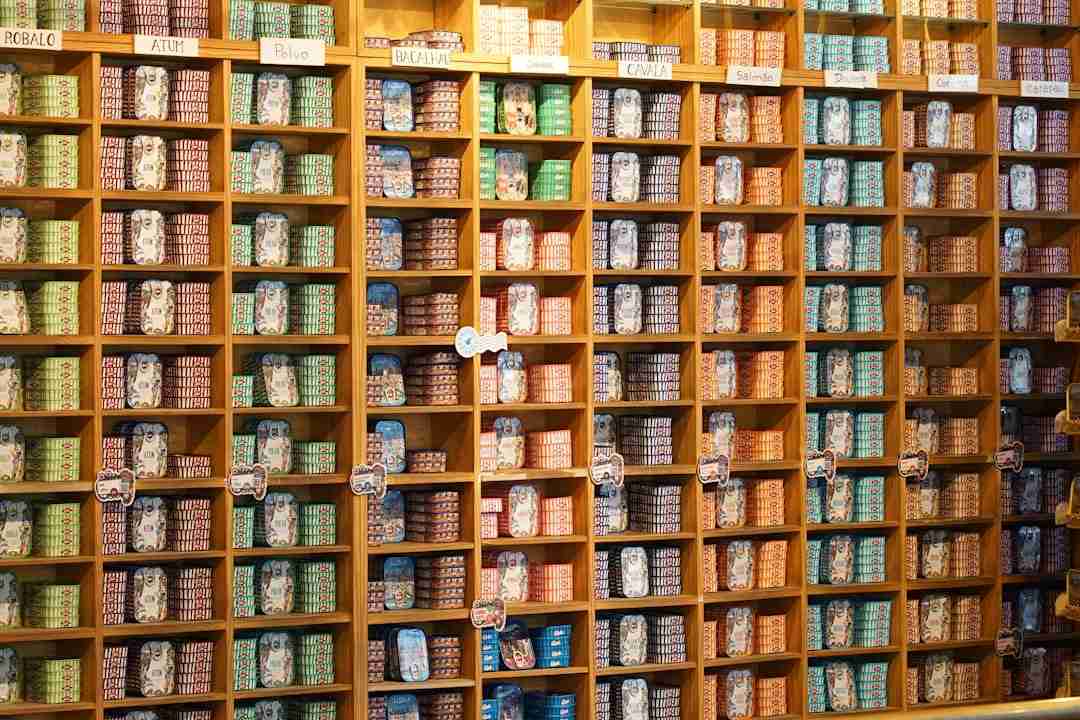
Moving to a new country can be an exhilarating adventure, filled with new experiences and challenges. Yet, one of the surprising hurdles many face is the simple act of grocery shopping. It might seem like a straightforward task, but when you're abroad, even the most mundane activities can become complex puzzles. Imagine walking into a store, only to realize that you can't read the labels, recognize the brands, or even find the familiar layout you're used to. It's a scenario that many expatriates encounter, and it can be both frustrating and amusing.
Understanding Local Grocery Store Layouts
One of the first surprises in a foreign grocery store is the layout. Unlike the predictability of a local supermarket back home, international stores can be quite different. In the U.S., for instance, produce is typically at the entrance, while in France, you might find it tucked away in the back. This isn't just a matter of preference but often relates to cultural shopping habits. In Japan, stores are designed for efficiency, catering to the local practice of daily shopping rather than weekly stock-ups.
Navigating these layouts requires patience and a willingness to explore. A practical tip is to start with a reconnaissance mission. Spend your first visit simply walking through the aisles, noting where essential items are located. This initial investment in time can save you from future frustrations. Asking store employees for help can be invaluable, even if language barriers exist. Most people are willing to assist, and gestures can go a long way in bridging communication gaps. For a more immersive experience, consider visiting during different times of the day or week to observe peak shopping hours and how they affect store dynamics.
Decoding Labels and Packaging
Understanding product labels can be another significant hurdle. When you can't read the language, selecting the right product becomes a guessing game. In countries like Germany, ingredients and nutritional information are often listed in German, making it difficult for non-speakers. However, many countries are starting to include multiple languages on packaging, reflecting the growing presence of international customers.
To navigate this challenge, technology can be your ally. Apps like Google Translate offer real-time translation through your phone's camera, making it easier to read labels on the spot. It's also useful to familiarize yourself with common terms in the local language. For instance, learning basic vocabulary for everyday items such as milk, bread, and eggs can make a significant difference. Additionally, creating a list of local brand equivalents for your favorite products can help streamline your shopping experience and reduce the time spent deciphering labels.
Handling Currency and Payment Systems
Adjusting to a new currency is another aspect that can catch many off-guard. Handling unfamiliar coins and notes, not to mention calculating exchange rates, can slow down your checkout process. In countries like South Korea, where the won is the official currency, knowing how to quickly convert prices to your home currency can prevent overspending.
Many find that using a currency conversion app, like XE Currency, can be helpful in managing this transition. Understanding the local economy can also provide insights into pricing. For example, what might seem expensive in one currency could be a bargain in another. Payment methods can vary widely; in Sweden, cash is becoming obsolete, with most transactions occurring via card or mobile apps like Swish. Familiarize yourself with the preferred payment methods in your new country to avoid any awkward surprises at the checkout counter. It's wise to carry a small amount of local cash until you're certain of the prevalent payment methods.
Navigating Dietary Preferences and Restrictions
For those with dietary restrictions or preferences, shopping abroad can present a unique challenge. Whether you're a vegan in Argentina or gluten-free in Italy, finding suitable products may require extra effort. In some countries, dietary trends have not caught on as much, making specific items scarce.
Research shows that many expatriates rely on specialty stores or online shopping to meet their dietary needs. Websites like iHerb offer international shipping on a range of health products, allowing you to find items that might not be available locally. Additionally, joining local expatriate groups on social media platforms can provide valuable insights and recommendations from those who have faced similar challenges. Participating in local cooking classes or food tours can also provide alternative solutions by introducing you to regional ingredients that fit your dietary needs.
Understanding Pricing and Value
Prices in a new country can be perplexing. What seems expensive in one currency might be affordable in another. Moreover, the concept of value differs from culture to culture. For instance, organic produce might be a luxury in some places but standard in others.
Experts suggest keeping a price notebook during your initial weeks. Note down the cost of frequently purchased items and compare them across different stores. This practice helps you understand where to find the best deals and recognize when you're being overcharged. Local markets often offer fresher and cheaper produce than supermarkets, providing an authentic shopping experience while saving money. Engaging with local vendors can also enhance your understanding of seasonal produce, which can be both a cost-effective and culturally enriching experience.
Dealing with Cultural Differences and Etiquette
Shopping etiquette can vary significantly around the world. In many parts of Asia, touching produce is frowned upon, whereas, in North America, it's common to inspect fruits and vegetables before purchasing. Understanding and respecting these cultural norms can enhance your shopping experience and help you integrate into the local community.
Researching local customs before your first shopping trip is advisable. Online resources and travel guides often provide useful tips on local etiquette. Observing the actions of locals during your initial visits can offer practical insights. If in doubt, a polite inquiry about the local customs can prevent misunderstandings. Additionally, being aware of local holidays and their impact on store hours and availability of products can help you plan your shopping trips more effectively.
Building a Routine That Works
Establishing a routine in a new environment can provide a sense of stability. Many find that setting a specific day and time for grocery shopping helps adapt to the new lifestyle. This routine can also include planning meals ahead, creating shopping lists, and budgeting for weekly expenses.
Using apps like Notion or Trello can help organize shopping lists and meal plans. These tools allow for easy updates and can be shared with family or roommates, ensuring everyone is on the same page. A consistent routine not only simplifies the process but also allows you to explore new products and cuisines at your own pace. Embracing local food traditions and incorporating them into your meal planning can further enrich your culinary experience and ease the transition into your new lifestyle.
Conclusion: Embrace the Adventure
Your first grocery run in a new country is more than just a shopping trip; it's an opportunity to immerse yourself in a different culture and way of life. While the challenges are real, they also offer a chance to grow and adapt. By embracing these experiences, you not only enhance your daily life abroad but also gain a deeper understanding of the world around you.
Take these lessons and apply them today. Whether it's downloading a translation app or setting a shopping routine, small steps can lead to significant improvements in your expatriate experience. Embrace the adventure, and soon enough, navigating a foreign grocery store will become second nature.