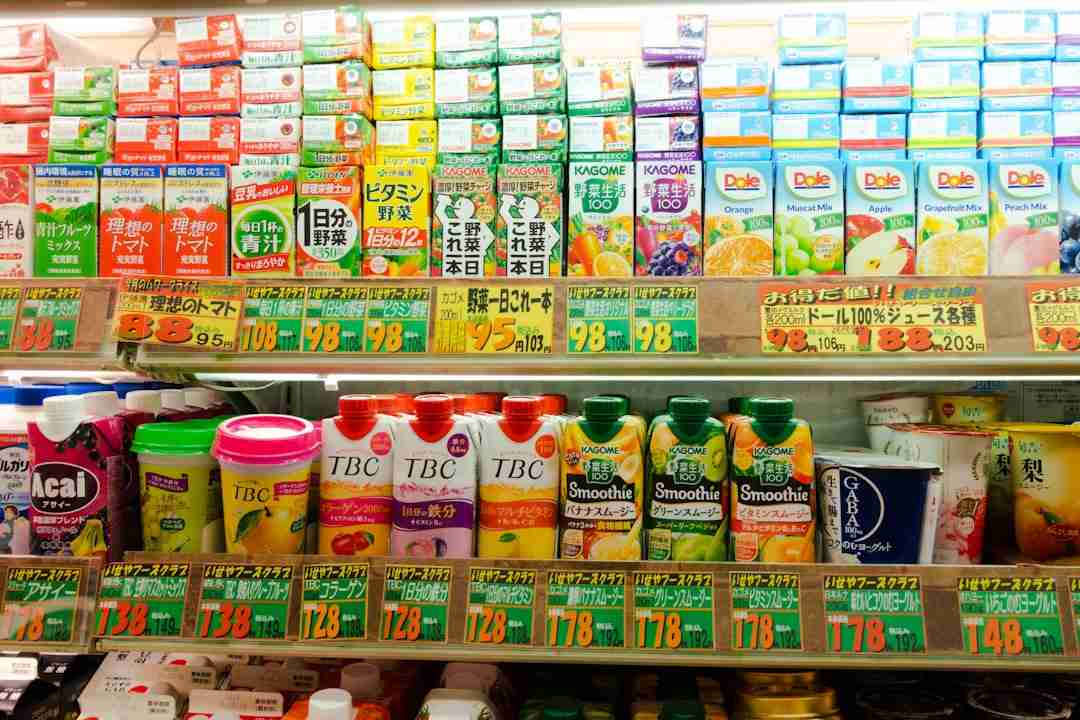
Imagine standing in a bustling grocery store in Tokyo, surrounded by vibrant packaging and unfamiliar labels. The air is filled with the mingling scents of fresh sushi and exotic spices. You're on a quest for something as simple as milk, only to realize that the options range from soy to oat to Hokkaido's finest. Navigating grocery aisles abroad can be an adventure in itself, full of surprising finds and cultural quirks. For those living abroad, understanding these nuances can transform a mundane chore into a fascinating exploration of local culture.
The Art of Grocery Shopping in Japan: Decoding Packaging and Labels
In Japan, grocery shopping is an experience steeped in cultural intricacies. The packaging often features bright and elaborate designs, making it a visual feast. However, the real challenge? Deciphering labels written in kanji, hiragana, or katakana. For non-Japanese speakers, this can be daunting. Many find that using translation apps, such as Google Translate, can be a lifesaver. These apps allow you to scan text and get instant translations.
Japanese stores also categorize products uniquely. Soy sauce, for example, isn't just "soy sauce." It's divided into types like light, dark, and even low-sodium varieties. Knowing the difference can be crucial for preparing authentic local dishes. And here's a tip: look for the "green tea" section for an impressive variety, from matcha powder to bottled drinks. Finding your way around these aisles can offer a deeper appreciation for Japanese culinary traditions.
French Supermarkets: A Wine and Cheese Lover's Paradise
In France, grocery shopping is a sophisticated affair, especially when it comes to wine and cheese. Supermarkets like Carrefour and Monoprix offer expansive sections dedicated to these beloved staples. Here, wine isn't just a drink; it's a part of cultural identity. Labels indicate the region, grape variety, and even the ideal pairing. A Bordeaux red might suggest a pairing with a rich cheese like Camembert.
When it comes to cheese, the choice is overwhelming but delightful. From soft Brie to aged Comté, the options span all textures and flavors. Many expatriates appreciate the practice of sampling cheeses before purchasing. This isn't just about taste; it's about understanding the complexity of cheese-making in France. And for the uninitiated, consider joining a local wine and cheese tasting session to refine your palate.
South Korea's Convenience Stores: A Quick Culinary Tour
South Korea's convenience stores, such as GS25 and CU, are legendary among expatriates for their unique offerings. Unlike typical Western convenience stores, these are culinary havens where you can find everything from ready-to-eat kimbap to steaming bowls of ramen. They are perfect for those nights when cooking seems like a Herculean task.
One surprising find is the array of instant meals that are both affordable and delicious. These meals often include traditional dishes like bibimbap or bulgogi, providing a quick introduction to Korean cuisine. And if you're in need of a caffeine fix, the canned coffee selection is impressive, featuring local brands like Maxim and international ones like Starbucks. These stores are a testament to Korea's fast-paced lifestyle and its embrace of innovation.
Discovering Local Delicacies in Italy's Fresh Markets
Italy is renowned for its fresh markets, where shopping becomes a sensory delight. Here, the produce is fresh, vibrant, and often locally sourced. Markets like Mercato Centrale in Florence or Campo de' Fiori in Rome are must-visits for anyone living in Italy. They offer a chance to explore local delicacies such as truffles, artichokes, and fresh pasta.
These markets are not just about buying ingredients but also about engaging with vendors who are passionate about their products. Many expatriates find that building relationships with these vendors leads to personalized recommendations and even occasional discounts. The reality is, understanding the rhythm of Italian markets can enhance one's culinary repertoire and deepen appreciation for Italian food culture.
In these markets, don't miss the opportunity to try regional specialties. In Sicily, for example, the citrus fruits are unparalleled, while in Tuscany, you might find the best olive oil. It's these regional nuances that make shopping in Italy a delightful adventure.
The Allure of Exotic Produce in Thailand's Wet Markets
Thailand's wet markets offer a stark contrast to the sterile aisles of Western supermarkets. Here, the air is thick with the scent of fresh herbs and spices, and the colors are as vibrant as the flavors. These markets are where you'll find an incredible variety of exotic produce, from dragon fruit to durian.
Navigating these markets can be overwhelming for newcomers. Bargaining is common, and understanding the local etiquette can make a significant difference. It's not just about haggling for a better price; it's about respecting the cultural norm and engaging in a friendly exchange. Many find that learning a few basic phrases in Thai can go a long way.
For those interested in Thai cooking, wet markets are the perfect place to source ingredients like lemongrass and galangal. And although it might take some time to adjust to the hustle and bustle, the experience is richly rewarding, offering insights into traditional Thai culinary practices.
Germany's Love for Bread: Exploring Bäckereien
In Germany, bread is more than just a staple; it's a cultural icon. German bakeries, or Bäckereien, are abundant and offer a staggering variety of bread, rolls, and pastries. For those living in Germany, understanding this bread culture is essential.
Rye bread, sourdough, and pretzels are just the tip of the iceberg. Each region has its own specialties, like the Bavarian Brezen or the Berliner from Berlin. Expatriates often find that sampling different types of bread can be an eye-opening experience, revealing the depth of German baking traditions.
Many bakeries also offer a cozy atmosphere where you can enjoy a coffee and a pastry, making them popular spots for socializing. And here's a practical takeaway: try to visit bakeries early in the morning when the bread is freshest and the selection is at its peak. Exploring these bakeries is not just about satisfying hunger; it's about embracing a key aspect of German life.
Practical Tips for Navigating Grocery Stores Abroad
Navigating grocery stores in a foreign land can be daunting, but a few practical tips can make the experience smoother and more enjoyable. First, familiarize yourself with common local terms for basic groceries. This can save time and reduce confusion. For instance, knowing that "leche" means milk in Spanish can be incredibly helpful.
Consider downloading a local grocery app. Apps like Yuka can provide nutritional information and help you make informed decisions. Similarly, apps like Glovo can offer delivery services, which are particularly useful if you're in a hurry or unable to visit a store.
When possible, shop with a local friend. They can offer insights that aren't immediately obvious and might even share tips on where to find the best deals. Also, don't shy away from asking store employees for help. Many are more than willing to assist, and it can be a great way to practice the local language.
Finally, be open to trying new things. Each country has its own unique products that might seem unfamiliar but could become new favorites. Embrace the adventure, and let your taste buds guide you.
Living abroad offers the chance to explore a world of culinary diversity right in the grocery aisles. By understanding local customs and embracing the quirks of foreign supermarkets, expatriates can enrich their daily lives and deepen their connection to their new home. So next time you find yourself in a foreign grocery store, remember to look beyond the labels and discover the cultural stories they tell.