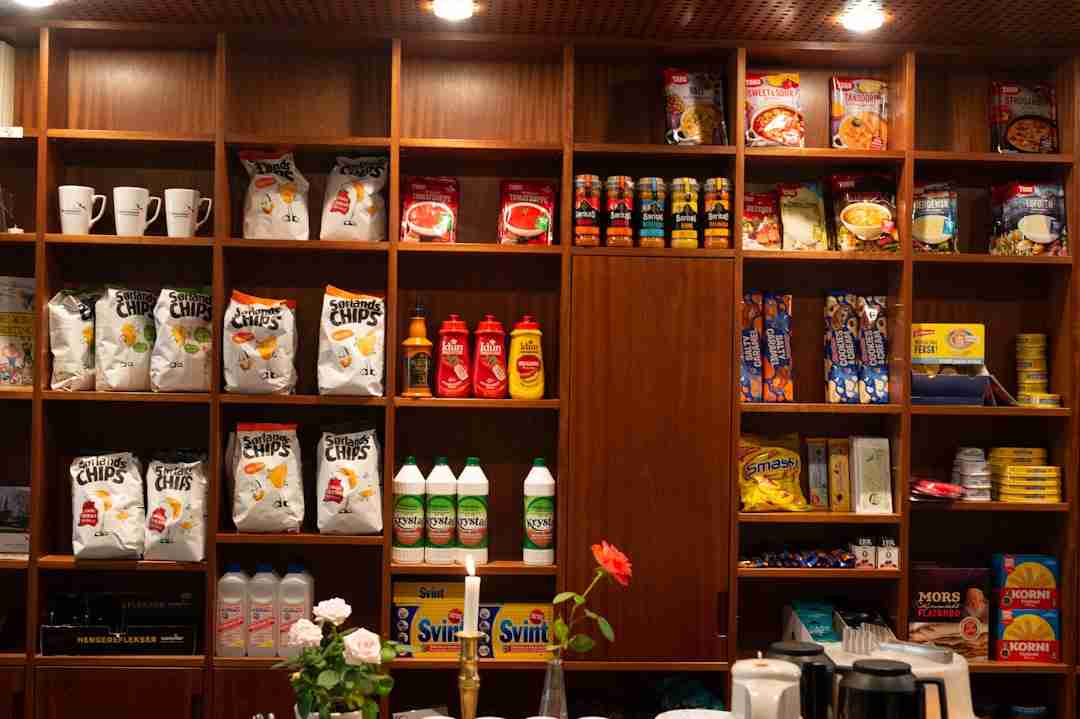
Arriving in a foreign country brings a whirlwind of emotions and experiences, yet few moments feel more grounding—and occasionally overwhelming—than your first trip to the local grocery store. This isn't just a shopping trip; it's a cultural immersion. You're not just looking for food; you're deciphering new brands, unfamiliar packaging, and perhaps even navigating a different language. But with the right approach, this can be a rewarding adventure that sets the stage for your new life abroad.
Master the Layout: Understand the Store's Geography
Grocery stores around the world have their own unique layouts. While many countries follow a similar pattern—produce at the entrance, dairy at the back, aisles dedicated to specific categories—there can be notable differences. In many European countries, for example, alcohol might be found right next to the entrance. In Japan, ready-to-eat meals are prominently displayed near the front.
It's essential to do a quick reconnaissance of the store layout. Start by walking through the aisles without any pressure to buy immediately. Note where key items are located. This initial scan can save time on future trips and prevent the frustration of circling back for forgotten items. Observing the flow of local shoppers can provide insights into which areas are most crucial or popular, perhaps shedding light on regional culinary customs.
Language Barriers: Tools to Translate Your Shopping List
Language can be one of the most challenging barriers during your first grocery trip abroad. Labels, product descriptions, and even aisle signs might be in a foreign language. Thankfully, technology offers solutions. Apps like Google Translate can be invaluable. They not only translate text but also have a camera feature that can instantly translate labels when you hover over them.
Consider preparing your shopping list in the local language before you go. This not only helps in finding items but also aids in learning new vocabulary. Having a translation app handy can help with any unexpected interactions with store staff or fellow shoppers. Additionally, engaging with store employees for help not only assists with your immediate needs but also provides an opportunity to practice the local language, enhancing your linguistic confidence over time.
Local Brands vs. Imported Goods: Navigating Choices and Costs
One of the joys of shopping in a new country is discovering local brands and products. However, this can also present a challenge when you're used to certain brands from home. Imported goods can be significantly more expensive due to import taxes and shipping costs. For instance, in Australia, a box of imported cereal can cost twice as much as a local brand.
Research shows that local products are often fresher and more cost-effective. Try to embrace the local brands, especially for staples like bread, milk, and produce. If there's a specific international product you can't live without, consider buying in bulk when you find it on sale. This not only saves money but also the hassle of searching for it each time. An additional strategy is to familiarize yourself with the local equivalents of your favorite products, which can often be equally satisfying and introduce you to new flavors.
Payment Methods: Cash, Card, or App?
Understanding the preferred payment methods in a new country is crucial. In some countries, cash is still king, while others have fully embraced card and mobile payments. Countries like Sweden and South Korea have made significant strides towards cashless societies.
It's wise to carry a small amount of local currency for smaller purchases or in case of technology failures. Equally important is to ensure your credit or debit card is compatible with local systems. Many travelers find success with international-friendly cards like the Revolut card, which offers competitive exchange rates and minimal fees. Checking if local apps like Alipay or WeChat Pay are commonly used can also prepare you for a seamless shopping experience.
Produce and Fresh Goods: Learning New Standards
The produce section can be particularly daunting, as standards for freshness and quality can vary widely. In some countries, fruits and vegetables might not be as polished and perfect as those in North American supermarkets, but this doesn't necessarily indicate lower quality. Often, these are more natural and less chemically treated.
It's helpful to ask locals or expats about which stores offer the best produce. Markets or stores known for fresh goods can provide higher quality at better prices. Also, familiarize yourself with any weighing and pricing systems. Some stores require you to weigh produce yourself and print a ticket before heading to checkout. Understanding the local seasonal produce can also enhance your shopping experience, as these are often cheaper and of superior quality.
Embrace Local Flavors: Discovering New Ingredients
Living abroad is an opportunity to expand your palate. Take this chance to explore local foods and ingredients that aren't available back home. Whether it's the wide variety of cheeses in France or the extensive range of spices in India, these new ingredients can enhance your cooking and dining experience.
Experiment with one new ingredient each week. This not only keeps your meals exciting but also helps in understanding the local cuisine better. Many find that embracing local flavors makes the experience of living abroad more enjoyable and enriching. Engaging with local food blogs or cookbook recommendations can also offer guidance on how to incorporate these ingredients into your meals.
Understanding Store Hours and Shopping Days
Store hours can differ greatly from what you're used to. In some countries, it's typical for stores to close early, especially on weekends. For instance, many German supermarkets close by 8 PM and might not open at all on Sundays. In contrast, in cities like New York or Tokyo, you might find 24-hour grocery stores.
Plan your shopping trips according to these hours to avoid inconvenience. Also, get to know the less crowded shopping days. Mid-week mornings are generally quieter and can make for a more relaxed shopping experience. Being aware of local holidays or special events that might affect store hours ensures you're never caught off guard.
Loyalty Programs and Discounts: Saving Money in the Long Run
Many grocery stores offer loyalty programs that can lead to significant savings over time. These programs often provide discounts, points, or special offers to regular customers. Signing up for these can be a smart move if you plan to shop regularly at the same store.
Some programs might offer an app, like Tesco Clubcard in the UK, which tracks points and offers digital coupons. Keep an eye on weekly flyers or digital newsletters that announce sales or special promotions. Joining local online communities or forums can also provide tips on maximizing savings and identifying the best deals.
Preparing for the Unexpected: Backup Plans for Grocery Trips
Occasionally, you might encounter unexpected challenges during your grocery shopping, such as a product being out of stock or an unexpected language barrier. Having a backup plan can save the day.
Consider subscribing to a grocery delivery service as a backup option. Services like Instacart or local equivalents can deliver groceries right to your door, which can be a lifesaver in a pinch. Additionally, it might be useful to have a few staple meals in mind that require minimal ingredients, ensuring you can always whip up something delicious. Knowing the locations and hours of alternative stores nearby can also provide flexibility and ease in times of need.
Building Confidence: Your First Trip as a Learning Experience
The first grocery store trip in a new country is more than a mere errand; it's an opportunity to build confidence in your new environment. Each trip will become easier as you familiarize yourself with the layout, products, and cultural nuances.
Take the lessons learned from each trip and apply them to the next. Over time, what once seemed like a daunting task will become a routine part of your life abroad. And remember, every challenge faced is a step towards mastering your new surroundings.
In the end, navigating a grocery store in a foreign land is about more than just buying food. It's about adaptation, understanding, and embracing a new way of life. By taking these strategies into account, you'll not only fill your pantry but also enrich your experience of living abroad. Start today by planning your next trip with an open mind and a spirit of adventure.