In the ever-evolving landscape of entrepreneurship, digital nomads are redefining how businesses operate. By embracing a location-independent lifestyle, they work from anywhere in the world, often leveraging the power of social media to grow their businesses. If you’re a digital nomad, mastering social media is not just an option—it’s a necessity. Here’s how you can effectively market your digital nomad business, ensuring it thrives no matter where you are.
The beauty of social media lies in its ability to connect you with a global audience, providing a platform to showcase your brand and engage with potential clients. However, with great power comes great responsibility, and using social media effectively requires a strategic approach. Let’s dive into the essentials of marketing your digital nomad business using social media.
Identifying Your Unique Value Proposition
Before you even start posting on social media, it’s crucial to understand what sets your business apart. Your unique value proposition (UVP) is the foundation upon which your marketing efforts will be built. Take some time to reflect on what makes your business special. Is it the innovative services you offer, your exceptional customer service, or perhaps a niche market you cater to? Understanding your UVP will guide your content creation and help you communicate more effectively with your audience.
Crafting Your UVP
To craft a compelling UVP, consider the following steps:
1. Identify Your Audience: Who are your ideal customers? What are their pain points and needs? For example, if your audience consists of young professionals looking to travel while working, your UVP might focus on providing resources that enable a seamless work-travel balance.
2. Analyze Competitors: What do your competitors offer, and how can you differentiate your services? Conduct a SWOT analysis (Strengths, Weaknesses, Opportunities, Threats) to understand where your competitors fall short and how you can fill those gaps.
3. Highlight Benefits: Focus on the benefits your business provides, not just the features. For instance, instead of simply stating that you offer online courses, emphasize how your courses can help clients acquire new skills that increase their job marketability.
Once you have a clear UVP, integrate it into your social media profiles, bio, and content to ensure consistency and clarity in your messaging.
Choosing the Right Platforms
With numerous social media platforms available, it’s important to choose the ones that align with your business goals and audience. Not all platforms will suit your needs, and spreading yourself too thin can dilute your efforts.
Research and Select
Consider these steps when selecting platforms:
1. Audience Demographics: Where does your target audience spend their time? For instance, if you’re targeting millennials, Instagram and TikTok might be ideal, as they are popular among younger audiences. A study by Pew Research Center shows that a significant portion of Instagram users are aged between 18-29, making it a hotspot for youth engagement.
2. Content Type: What type of content do you excel at? If you’re great at video content, YouTube or TikTok could be worthwhile. For written content, LinkedIn might be more suitable. For example, a digital marketing consultant might find LinkedIn more beneficial to share case studies and industry insights.
3. Industry Trends: Some industries have a strong presence on specific platforms. For instance, the tech industry thrives on Twitter and LinkedIn, where discussions about innovations and new tech trends are frequent.
Once you’ve selected your platforms, focus on building a strong presence on them rather than trying to be everywhere at once. This allows for more directed efforts and higher-quality engagement with your audience.
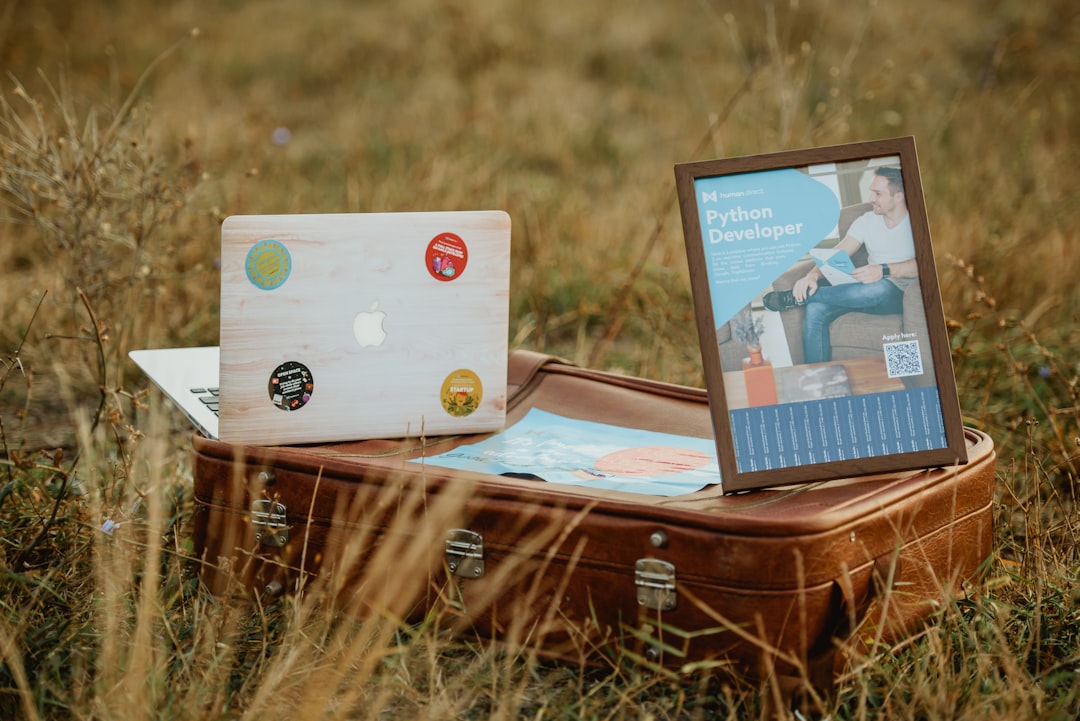
!white laptop computer on brown wooden chest box
Creating Engaging Content
Content is king in the social media world. Engaging content not only attracts followers but also keeps them invested in your brand. The key is to create content that resonates with your audience and reflects your brand’s personality.
Content Creation Tips
1. Storytelling: Share stories about your journey as a digital nomad. This personal touch can humanize your brand and create a deeper connection. For example, share a post about overcoming challenges during your travels and how those experiences shaped your business philosophy.
2. Visual Appeal: Use high-quality images and videos. Visual content is more likely to be shared and remembered. Platforms like Canva or Adobe Spark can help you design stunning visuals even if you’re not a graphic designer.
3. Educational Content: Position yourself as an expert by sharing tips, tutorials, or industry insights. For instance, if you run a graphic design business, create content that teaches basic design principles or shares insights into current design trends.
4. User-Generated Content: Encourage your followers to share how they use your product or service, and feature them on your profiles. This not only provides you with free content but also builds community and trust.
Real-World Example
Consider the case of “Digital Nomad Academy,” a coaching business that helps aspiring nomads achieve their dream lifestyle. They utilize Instagram to post weekly live Q&A sessions where they address audience questions. This not only provides value but also encourages interaction, helping them grow their community.
Building a Community
Social media is not just a broadcasting tool; it’s a two-way street. Building a community around your brand can foster loyalty and encourage word-of-mouth marketing.
Steps to Build a Community
1. Engage Regularly: Respond to comments, messages, and mentions promptly. Show your audience that you value their input. Consider setting aside specific times each day to engage with your audience to ensure timely interactions.
2. Create Groups: Consider starting a Facebook Group or LinkedIn Group where your audience can interact with each other and you. These groups can be a place for sharing tips, asking questions, and building relationships. For instance, a group named “Digital Nomads Unite” could serve as a hub for sharing travel tips and remote work opportunities.
3. Host Live Sessions: Use platforms like Instagram Live or Facebook Live to host Q&A sessions, webinars, or workshops. These sessions provide real-time interaction and can be a great way to introduce new products or services.
Case Study: Building a Community with “Travel Tribe”
“Travel Tribe” is a digital nomad community that used Facebook Groups to connect like-minded travelers. By encouraging members to share their travel stories, ask questions, and offer advice, they created an active and supportive community. This led to increased brand loyalty and a significant boost in group membership over time.
Leveraging Influencer Marketing
Influencer marketing can be a powerful tool for expanding your reach and credibility. By partnering with influencers who align with your brand values, you can tap into their audience and gain new followers.
Implementing Influencer Marketing
1. Identify Relevant Influencers: Look for influencers whose audience matches your target demographic. Tools like BuzzSumo or Upfluence can help you find influencers based on keywords related to your industry.
2. Build Relationships: Engage with their content and establish a rapport before proposing a collaboration. Comment on their posts and share their content to show genuine interest.
3. Craft Authentic Partnerships: Ensure that any partnership feels natural and that the influencer genuinely supports your brand. Collaborate on a campaign that benefits both parties, such as a co-hosted event or a joint giveaway.
Example: A Successful Influencer Partnership
“EcoNomad Gear,” a sustainable travel gear company, successfully partnered with eco-conscious travel influencers to promote their products. By sending products for review and collaborating on Instagram takeovers, they reached a wider audience and saw a 30% increase in sales within three months.
Analyzing Performance
To ensure your social media efforts are paying off, it’s essential to regularly analyze your performance. This will help you understand what’s working, what’s not, and where you can improve.
Metrics to Monitor
1. Engagement Rates: Are people interacting with your content? High engagement indicates that your content resonates with your audience. Use platform-specific analytics tools to track likes, comments, shares, and saves.
2. Follower Growth: Track how your follower count changes over time. Consistent growth is a positive sign. However, focus on quality over quantity; engaged followers are more valuable than a large number of passive ones.
3. Conversion Rates: If your goal is to drive sales or leads, monitor how many social media interactions lead to conversions. Use tools like Google Analytics to track the path users take from social media to your website.
Practical Steps
– Set Clear Goals: Define what success looks like for you. Is it increased brand awareness, more leads, or higher sales? Having clear goals will guide your analysis.
– Use Analytics Tools: Tools like Hootsuite, Buffer, and [Google Analytics](https://analytics.google.com/) provide insights into your social media performance. Regularly review these reports to identify trends and areas for improvement.
– Adapt Your Strategy: Use your findings to adjust your strategy. If a particular type of content performs well, create more of it. If engagement drops, experiment with new content formats or posting times.
!man standing on white suv on brown sand under blue sky during daytime
Real-World Case Study: The Success of “The Nomad’s Notebook”
Consider “The Nomad’s Notebook,” a business run by digital nomad Alex Fernandez. Alex used Instagram as his primary platform to grow his brand. By sharing stunning travel photos, behind-the-scenes looks at his work process, and engaging stories about his journey, he built a following of over 100,000 people in just two years.
Alex’s success can be attributed to his consistent branding and engagement. He actively engaged with his followers, responded to comments, and used Instagram Stories to share real-time updates and host Q&A sessions. Additionally, he collaborated with travel influencers, which significantly boosted his visibility.
Comprehensive Actionable Takeaways
Mastering social media as a digital nomad involves a blend of strategic planning, creativity, and engagement. Here are some actionable takeaways to help you succeed:
1. Define Your UVP: Clearly articulate what makes your business unique and integrate this into your social media strategy.
2. Select Your Platforms Wisely: Focus on platforms that align with your audience and content strengths.
3. Create Compelling Content: Use storytelling, visuals, and educational content to engage your audience.
4. Build a Loyal Community: Foster engagement through regular interaction and by creating spaces for your audience to connect.
5. Utilize Influencer Partnerships: Expand your reach by collaborating with influencers who share your brand values.
6. Analyze and Adapt: Regularly review your performance data and adjust your strategy accordingly.
By implementing these strategies, you’ll be well on your way to effectively marketing your digital nomad business and ensuring its growth across the globe. The world is your office—embrace it, share your journey, and let social media propel your business to new heights.