Imagine waking up to the sound of waves crashing on a secluded beach or the whispering winds of a mountain pass. For those embracing the off-grid van life, this isn't a vacation dream—it’s daily reality. But living in a van isn't just about picture-perfect views and freedom; it’s also about making conscious choices to tread lightly on the planet. Crafting a sustainable nomad lifestyle means embracing low-waste living, smart resource management, and a love for adventure—all while navigating the complexities of life on the road.
Solar Power: The Backbone of Your Mobile Lifestyle
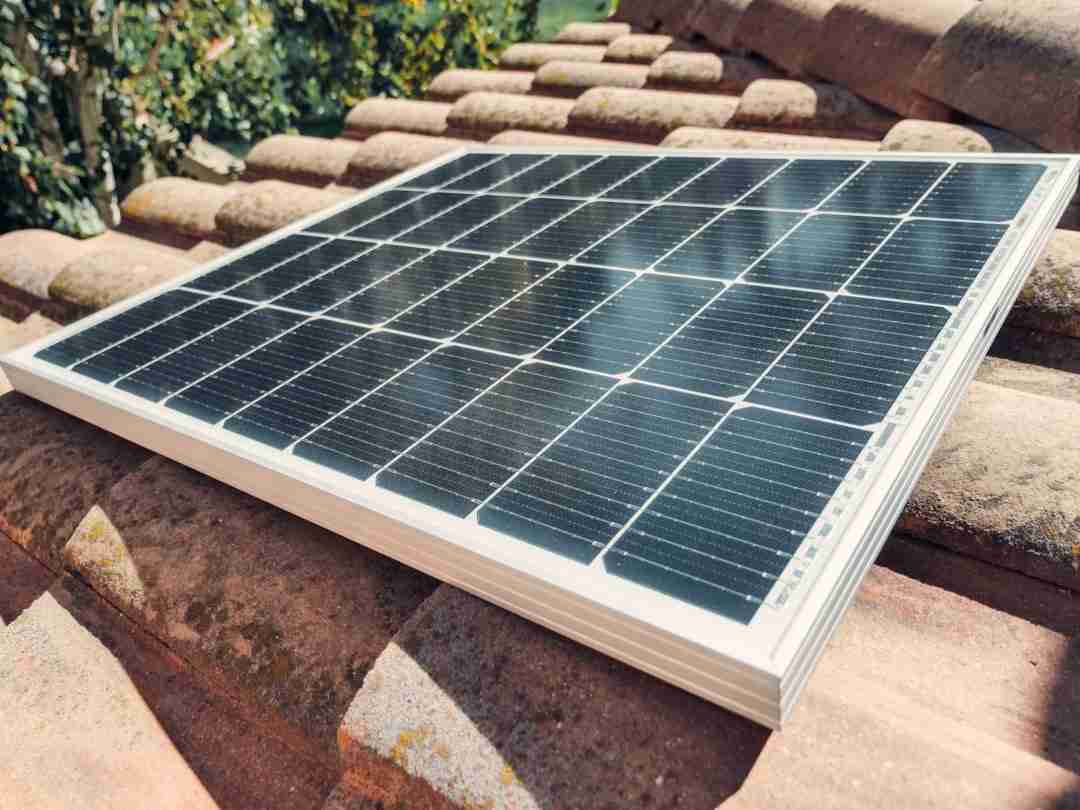
Solar panels are not just an option but a necessity for off-grid van living. A typical setup might include two 100-watt panels, which can generate enough power to run essential appliances like a fridge, lights, and charge devices. The Renogy 200 Watt 12 Volt Solar Starter Kit is a popular choice, known for its efficiency and ease of installation. It includes the panels, a charge controller, and the necessary cables.
Properly installed and maintained, solar panels can provide a reliable energy source without the emissions associated with traditional generators. To maximize efficiency, position the van to receive optimal sunlight, and regularly clean the panels to prevent dust and debris from reducing their output. For those traveling in less sunny regions, a portable solar generator like the Jackery Explorer 1000 can offer additional flexibility. Consider supplementing your energy needs with a small wind turbine, which can be particularly effective in windy areas, providing power even when the sun isn't shining.
Water Conservation: Managing Every Drop
Living on the road requires careful consideration of water usage. Many van dwellers install a simple water system with a 20-gallon tank and a pump to supply a sink. This setup supports basic needs like cooking and hygiene but requires mindful conservation strategies.
Experts suggest using biodegradable soap to minimize environmental impact when disposing of greywater. A compact shower head with a shut-off valve can help manage water flow, making it possible to shower with just two gallons. Collecting rainwater can supplement the main supply, especially during longer stays in one location. Remember, every drop counts. For those who travel in regions with frequent rain, investing in a rainwater collection system with a purification unit can help ensure a steady supply of clean water.
Minimizing Waste: The Art of Simplification
A low-waste lifestyle is essential for those who live in a van. This means reducing packaging, repurposing items, and composting where possible. Many find that bulk buying dry goods like rice, beans, and pasta in reusable containers can significantly cut down on waste.
For food scraps, a portable composting system can be a game-changer. The Bokashi Composting Kit is compact and odor-free, making it ideal for van life. It allows for the fermentation of organic waste, which can then be buried in soil during travel breaks or used in small garden projects. Consider creating a small herb garden in a window box to utilize the compost produced and add fresh flavors to your meals.
Cooking on the Road: Propane and Portable Stoves
Cooking while living in a van often involves propane stoves, which offer a reliable heat source that’s easy to store and transport. A two-burner stove, like the Coleman Classic Propane Stove, is a staple for many van lifers, providing enough capacity for most meals.
To further embrace sustainability, consider a solar cooker for sunny days. The GoSun Sport captures sunlight to cook meals without any fuel or emissions. While it requires more time and planning, it’s an excellent way to reduce propane use and engage with the environment. Experiment with meal prep by planning dishes that can be cooked using both methods, reducing dependency on any single fuel source.
Connectivity: Staying in Touch with the World
Being off-grid doesn't mean being out of touch. Mobile hotspots and data plans are crucial for staying connected, especially for those who work remotely. Many opt for a combination of a mobile router like the Netgear Nighthawk M1 and an unlimited data plan to ensure a reliable connection.
For those traveling in remote areas, a satellite communicator such as the Garmin inReach Mini offers peace of mind. It allows for two-way messaging and SOS capabilities even when cell service is unavailable, which is invaluable for safety and communication. To enhance connectivity, consider installing a signal booster to improve weak cellular signals, ensuring you can stay in touch even in the most isolated locations.
Organizing a Small Space: Storage Solutions that Work
Living in a compact space requires innovative storage solutions. Multi-functional furniture is key, with options like bench seats that double as storage or beds that fold into tables. Magnetic strips can hold kitchen utensils, and collapsible containers save space when not in use.
Consider modular shelving systems that can be adjusted to fit changing needs. The IKEA Skubb Box Set offers lightweight, collapsible storage options perfect for organizing clothes and other small items. Keeping the van tidy not only makes it more livable but also reduces stress and enhances mental well-being. Incorporate hanging organizers on doors and walls to utilize vertical space, keeping frequently used items accessible without cluttering surfaces.
Finding Community: Connecting with Fellow Nomads
One of the most rewarding aspects of van life is the community it fosters. Online platforms like the Vanlife App connect travelers with campsites, events, and other nomads. These networks provide support, share resources, and offer companionship on the road.
In-person gatherings, such as those organized by Vanlife Diaries, allow for deeper connections and the sharing of experiences. Whether it's a casual meetup or a large festival, these events can inspire and invigorate, reminding you that you’re part of a larger movement. Engaging in skill-sharing workshops such as vehicle maintenance or sustainable living techniques can enhance your van life experience and foster stronger community ties.
Legalities and Logistics: Navigating the Practicalities
Before hitting the road, it's important to understand the legal and logistical aspects of van life. This includes vehicle registration, insurance, and understanding the regulations around boondocking (free camping). The Bureau of Land Management offers information on public lands where camping is permitted.
When crossing borders, especially in regions like Europe or between the US and Canada, knowing the customs regulations for both personal belongings and the van is crucial. Keeping documents organized and accessible can save time and stress during inspections or emergencies. Make use of digital tools and apps to store copies of important documents, ensuring you always have access to them when needed.
Embracing the Unexpected: Flexibility as a Way of Life
The reality of van life is that it's unpredictable. Weather changes, road closures, and mechanical issues are part of the journey. A flexible mindset is essential. Having a contingency fund for unexpected repairs or detours can provide security.
Learning basic vehicle maintenance skills can be invaluable. Whether it’s changing a tire or troubleshooting electrical issues, being self-sufficient reduces dependency on repair services and can save money. Online resources and tutorials can be extremely helpful in acquiring these skills. Joining local workshops or classes on vehicle maintenance can provide hands-on experience, boosting your confidence in handling road challenges.
Taking the First Step: Your Adventure Awaits
For those ready to embrace this lifestyle, the first step is to research and prepare. Visiting forums like Reddit's VanLife Community can offer insights from seasoned travelers. Reading guides and watching how-to videos can also provide a wealth of knowledge.
Ultimately, living off-grid in a van is about more than just travel; it's about creating a fulfilling, sustainable lifestyle that aligns with your values. By prioritizing sustainability, you not only enhance your own experience but also contribute positively to the world. So, start planning, gather your resources, and take that leap into a life of adventure and discovery.