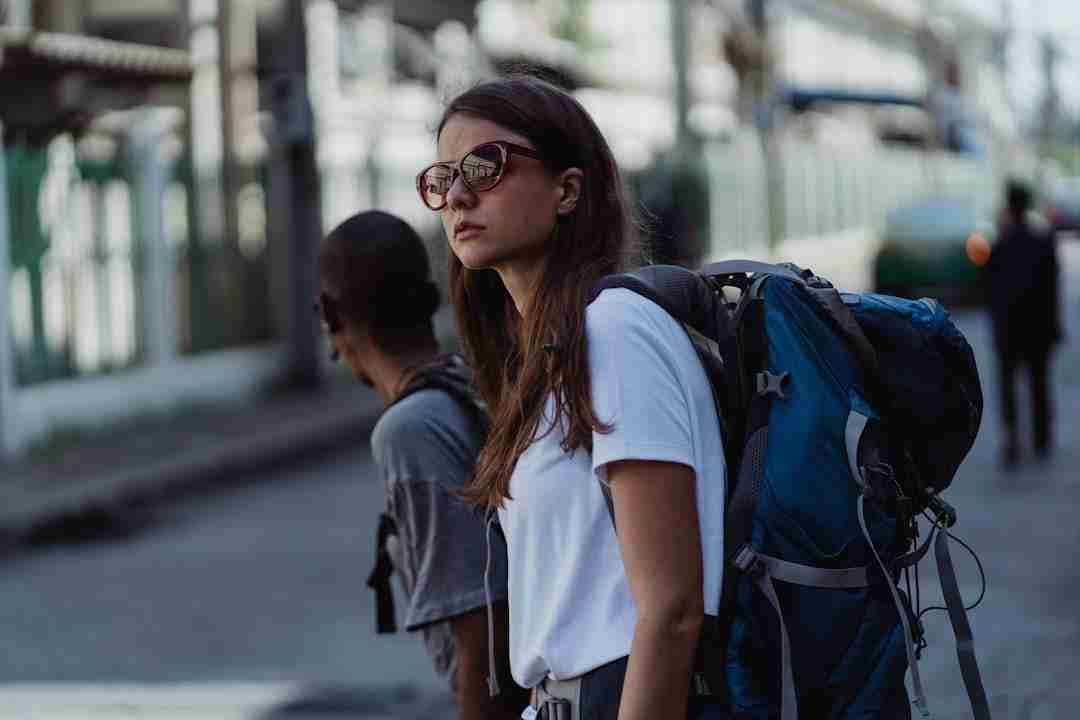
Imagine stepping off a train in Paris with nothing but a carry-on, feeling both liberated and equipped. This isn't a fantasy; it's a reality for many who embrace a sustainable nomad lifestyle. Backpacking through Europe with just a carry-on isn't just about traveling light; it's about embracing a simpler, more intentional way of life. It's about discovering how little you actually need to experience the world fully. But how do you pull this off without feeling deprived or unprepared? Here's a deeper dive into living light while exploring Europe sustainably.
The Art of Packing: 20 Essentials for Your Carry-On
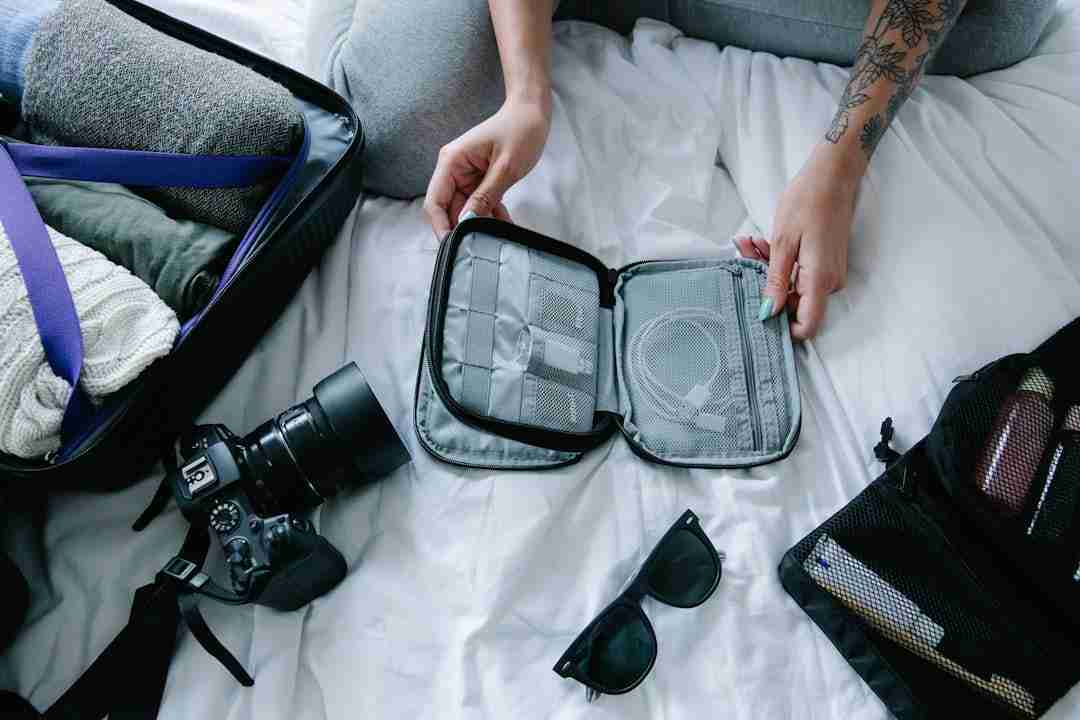
Packing light is an art form, and like any art, it requires the right tools. Many seasoned travelers recommend a packing list of around 20 essential items. This list includes versatile clothing, multi-use toiletries, and digital tools that replace bulkier items. For example, a lightweight, neutral-colored scarf can serve as a blanket, a cover-up, or a fashion accessory. A compact power bank keeps your devices charged without needing multiple adapters. Using a Kindle or similar e-reader can save space and weight compared to traditional books.
Choosing the right carry-on is crucial. Look for a bag that’s lightweight yet durable, with compartments that make organizing easy. The Osprey Farpoint 40 is a popular choice among travelers for its balance of comfort and capacity. It fits within most airline carry-on requirements, ensuring mobility without extra baggage fees. Some travelers also recommend packing cubes to further organize your items, making it easier to access what you need without unpacking everything.
Sustainable Practices: Embrace Digital Tools for a Paperless Journey
Incorporating digital tools into your travel routine not only reduces physical clutter but also aligns with sustainable practices. Consider using apps like Google Maps for navigation and Google Drive for storing travel documents. These tools eliminate the need for printed maps and itineraries. Another useful app is TripIt, which organizes travel plans in one place, syncing with your email to update changes in real-time.
Digital banking apps allow you to manage finances without paper statements or currency exchanges. Services like Revolut or N26 offer fee-free currency exchanges, helping you avoid carrying large amounts of cash. This not only lightens your load but also enhances security during your travels. Consider using a virtual private network (VPN) to secure your internet connection, especially when accessing sensitive information over public Wi-Fi networks.
Versatile Clothing: The 3-3-3 Rule
The 3-3-3 rule is a packing strategy that involves three tops, three bottoms, and three pairs of shoes. This approach maximizes outfit combinations while minimizing space. Opt for clothing made from quick-dry, wrinkle-resistant materials. Neutral colors often pair well together and can be easily dressed up or down depending on the occasion.
Experts suggest layering to adapt to various climates, which is particularly useful in Europe where weather can vary drastically between regions. A lightweight, packable rain jacket and a warm fleece pullover are staples that can handle unexpected weather changes. To further expand your wardrobe's versatility, consider including a reversible jacket or a pair of convertible pants that can switch from shorts to trousers.
Cultural Immersion: Learn Local Customs with Language Apps
Traveling light isn’t just about physical items; it’s also about mental preparation. Immersing yourself in local cultures enriches the travel experience, and language apps like Duolingo or Babbel are invaluable for learning basic phrases. Not only does this facilitate communication, but it also shows respect for the host culture. Knowing how to greet someone in their native language or order food at a local café enhances interactions and can lead to more authentic experiences.
Many find that engaging with locals provides insights into sustainable living practices unique to each region. For example, understanding recycling systems or participating in community events can deepen cultural connections and broaden perspectives. Taking part in local workshops or classes, such as cooking or crafts, can offer further immersion and appreciation for the local way of life.
Affordable Accommodations: Couchsurfing and Hostels
Budget-friendly accommodations are part of the sustainable nomad lifestyle. Couchsurfing and hostels not only reduce costs but also offer opportunities to meet fellow travelers and locals. Couchsurfing connects you with hosts who offer free accommodations, often in exchange for cultural exchange or shared meals. This platform fosters a sense of community and provides insights into local life that hotels cannot.
Hostels are another economical option, with many offering private rooms if dormitory-style accommodations aren't appealing. Websites like Hostelworld provide reviews and detailed descriptions to help you find a place that suits your style and comfort needs. Many hostels also organize social events, such as city tours or communal dinners, which can enhance your travel experience and help forge new friendships.
Cooking on the Go: Portable Cooking Gear
Eating out can be expensive, especially in tourist-heavy areas. Carrying a small, portable cooking kit can save money and allow you to enjoy local markets for fresh ingredients. A collapsible camping stove, a set of reusable utensils, and a portable coffee maker are all you need to prepare simple meals. This setup also reduces plastic waste from takeout containers.
Markets throughout Europe offer an array of local produce, cheeses, and breads, allowing you to create meals that reflect the region's flavors. Cooking your own meals provides a deeper connection to the local culture and is often more sustainable than dining out. Consider packing reusable produce bags and a collapsible cooler bag for carrying your market finds back to your accommodation.
Transportation: Use Europe's Extensive Public Systems
Europe’s public transportation is renowned for its efficiency and accessibility. Trains, buses, and trams connect even the smallest towns, making it possible to explore without a car. The Eurail Pass offers flexible travel options across multiple countries, saving both money and time. Public transportation not only reduces your carbon footprint but also allows you to experience local life more intimately.
Biking is another sustainable option, with many European cities offering rental services. It’s an excellent way to explore at your own pace while reducing environmental impact. In cities like Amsterdam and Copenhagen, cycling is a cultural staple, and infrastructure supports safe, efficient travel. Consider joining guided bike tours to gain local insights and discover hidden gems in each city.
Protecting Personal Well-Being: Mindfulness on the Road
Traveling light also extends to mental well-being. Practicing mindfulness helps maintain balance during the often hectic pace of travel. Techniques such as meditation or yoga can be practiced anywhere with apps like Headspace or Calm. These practices promote relaxation and focus, enhancing travel experiences by fostering a present-moment awareness.
Staying connected with loved ones through regular updates can provide emotional support and reduce feelings of isolation. However, it’s equally important to disconnect from digital distractions to fully immerse in the travel experience. Allocating specific times to check messages or social media can help maintain this balance.
What You Can Do Today: Start Planning Your Sustainable Adventure
Living light while backpacking through Europe with just a carry-on is a transformative experience. It encourages a shift towards minimalism, sustainability, and intentional living. Start by evaluating your travel essentials and researching digital tools that simplify logistics. Consider sustainable practices that align with your values and enhance your travel experience.
Begin by packing a trial carry-on for a short trip to test your setup. Adjust based on your experiences and refine your approach. With each journey, you’ll discover new ways to travel lighter and more sustainably, enriching both your life and the planet.