Tokyo, a city often synonymous with high living costs, poses a unique challenge for those wanting to experience its vibrant culture without draining their bank accounts. The allure of neon-lit streets, exquisite sushi, and bustling markets is undeniable. But here's a reassuring fact: living big in Tokyo doesn't always mean spending big. With a bit of savvy planning and an open mind, one can enjoy the best of what Tokyo offers without succumbing to financial strain.
Tokyo's Public Transport: A Wallet-Friendly Marvel
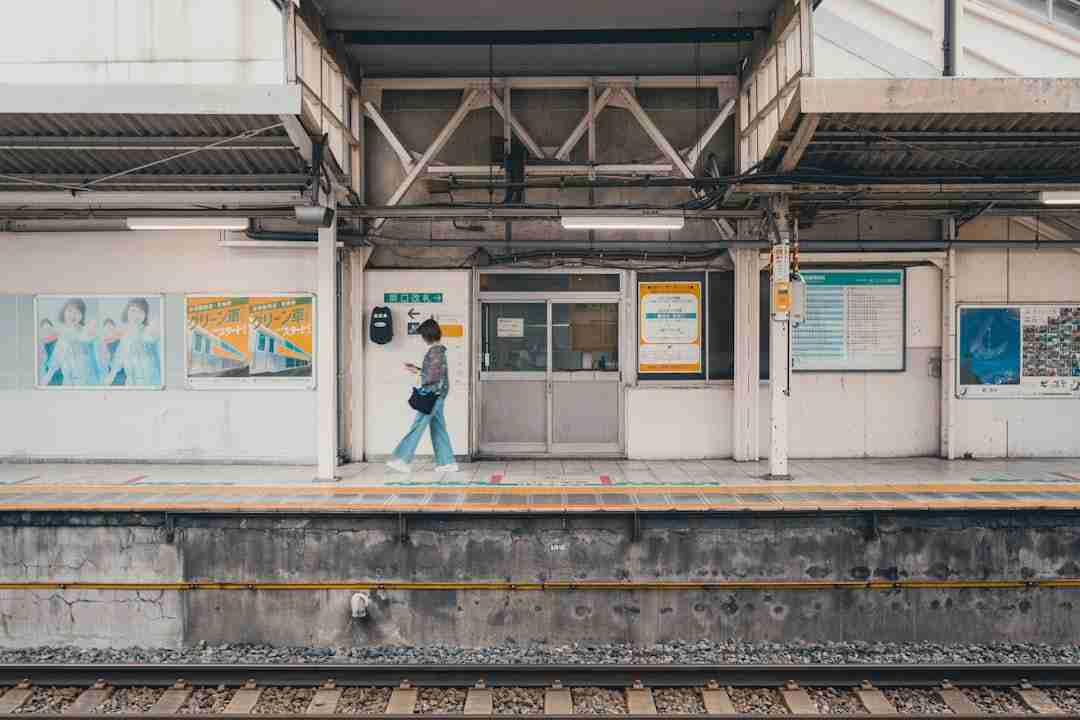
In Tokyo, the public transportation system is not just efficient; it's a cost-effective way to explore the city. With options ranging from the iconic Yamanote Line to the extensive metro networks, Tokyo's trains and subways are a marvel. A prepaid Suica or Pasmo card makes travel easy and slightly cheaper compared to buying individual tickets. For those staying longer, a commuter pass for regular routes can save even more, often cutting the cost of daily commutes in half. It's worth noting that many stations have multilingual signage and user-friendly maps, making navigation straightforward even for first-time visitors.
Many find that cycling is another economical option. Tokyo is increasingly becoming bike-friendly, with dedicated lanes and rental services like Docomo Bike Share. Renting a bike can cost as little as ¥150 for 30 minutes. For the eco-conscious and budget-minded, this is a win-win. You might also consider purchasing a second-hand bicycle from shops that specialize in refurbished bikes, which can be a long-term cost-saving solution if you plan to stay for an extended period.
Affordable Eats: Savoring Tokyo's Culinary Delights
Eating out in Tokyo doesn't have to be expensive. While high-end dining experiences abound, there are plenty of affordable alternatives. Convenience stores like 7-Eleven, Lawson, and FamilyMart offer a surprising variety of delicious and inexpensive meals. A typical bento box or onigiri can cost less than ¥500, providing a filling and satisfying meal. These stores also offer seasonal specialties and limited-edition items, giving you a taste of Tokyo's culinary diversity without hefty prices.
Tokyo's vibrant street food scene offers an array of delectable options. Areas like Nakamise Street in Asakusa or Ameyoko in Ueno are perfect for trying local snacks such as yakitori, takoyaki, or taiyaki, often for just a few hundred yen. For a more substantial meal, kaiten-zushi (conveyor belt sushi) restaurants offer plates starting at around ¥100 each. It's possible to enjoy a sushi feast for a fraction of what it might cost elsewhere. Be on the lookout for lunch specials (teishoku) at local izakayas, where you can get a set meal at a reduced price during midday.
Housing Hacks: Finding Affordable Accommodation
Housing is often the biggest expense, but there are ways to mitigate this. Share houses, such as those offered by Sakura House, provide an affordable and social living option. Rent is typically lower than individual apartments, and sharing utilities further reduces costs. Additionally, many share houses are fully furnished, eliminating the need for initial setup expenses. Living in a share house also fosters cultural exchange, as you often live with people from diverse backgrounds.
For those preferring more privacy, monthly rental apartments known as "monthly mansions" offer flexibility without long-term commitments. Websites like Monthly Apartments in Tokyo list furnished apartments that include utilities, making budgeting more predictable. Prices can start from ¥70,000 per month, depending on location and size. It's advisable to look for accommodations slightly outside central Tokyo, where rents can significantly decrease while still offering easy access to the city center via public transport.
Free and Low-Cost Entertainment: Exploring Tokyo's Rich Culture
Tokyo offers a wealth of cultural experiences that won't break the bank. Many museums, such as the Tokyo Metropolitan Art Museum or the National Museum of Nature and Science, have free entry days or modest admission fees. Parks like Ueno or Yoyogi provide not just green space but also frequent free events and festivals. These parks are also ideal spots for picnics, where you can enjoy a meal amidst nature without spending on dining out.
For those interested in traditional culture, visiting shrines and temples is a must. Iconic sites like Senso-ji in Asakusa or Meiji Shrine in Shibuya are free to enter and offer a glimpse into Japan's rich history. Walking tours, often found through platforms like Meetup, provide guided experiences for little to no cost. These tours can offer insights into lesser-known areas, adding depth to your understanding of Tokyo. Keep an eye on community boards and local websites for special events or seasonal festivals that are open to the public.
Shopping Smarter: Enjoying Retail Therapy on a Budget
Tokyo is a shopping paradise, from luxury brands in Ginza to quirky finds in Harajuku. But shopping smart is crucial. Thrift stores and second-hand shops, like Hard Off and Mode Off, offer a treasure trove of affordable clothing, electronics, and vintage items. It's possible to snag high-quality goods at a fraction of their original price. For fashion enthusiasts, flea markets and clothing swaps provide opportunities to refresh your wardrobe without spending much.
For everyday essentials, supermarkets such as Don Quijote and Seiyu offer competitive prices. Buying in bulk can save money, especially for non-perishable items. Many find that late evening discounts on fresh produce and prepared foods can also substantially reduce grocery bills. Consider joining point systems or using store apps to take advantage of member discounts and special offers.
Utility Bills: Keeping Costs Under Control
Utility costs in Tokyo can add up, but there are simple ways to keep them manageable. Energy-efficient practices, like using LED bulbs and unplugging electronics when not in use, can reduce electricity bills. During the hot and humid summer months, using a fan instead of air conditioning can make a noticeable difference. Some apartments also have energy-efficient appliances, so it's worth inquiring about these when choosing a place to stay.
Water bills can be minimized by being mindful of usage. Shorter showers and running dishwashers only when full are effective strategies. Many residents use gas for cooking and heating water, so ensuring appliances are efficient and well-maintained can prevent unnecessary expenses. Installing water-saving devices on taps and showerheads can further help in reducing water consumption.
Embracing a Minimalist Lifestyle: Less is More
Many in Tokyo embrace minimalism, not just as a lifestyle choice but as a practical way to save money. By prioritizing experiences over possessions, it's possible to enjoy more of what the city offers without accumulating unnecessary items. This approach often leads to greater satisfaction and less financial stress. Minimalism in Tokyo often translates to living in smaller spaces, which requires careful consideration of what items truly add value to your life.
Living minimally doesn't mean sacrificing comfort. It's about making mindful choices, such as opting for quality over quantity and being intentional with purchases. This mindset can lead to a more fulfilling experience in Tokyo, allowing for indulgences in areas that truly matter, like travel or unique experiences. Adopting a minimalist approach can also foster a deeper connection with the city, as it encourages exploring its many cultural and natural offerings rather than focusing on material acquisitions.
In conclusion, living big in Tokyo without breaking the bank is entirely feasible. By taking advantage of public transportation, exploring affordable dining options, seeking out cost-effective housing, and making smart lifestyle choices, one can enjoy all that Tokyo has to offer. It's about being resourceful, open to new experiences, and willing to explore all facets of this dynamic city. By doing so, Tokyo can be a place where dreams are lived, not just visited.


