Living in a tiny space often feels like a wild game of Tetris: every item needs a place, and every square inch counts. For many, the challenge isn’t just about fitting everything into a small space—it’s about doing so affordably. With urban living costs on the rise, especially in bustling cities where space comes at a premium, savvy individuals are finding ways to live large in tiny spaces without breaking the bank. The good news? There are practical, budget-friendly hacks to make the most of limited square footage while keeping expenses in check.
Multipurpose Furniture: The $200 Investment That Saves Space and Money
Multipurpose furniture is a game-changer in small living spaces. A sofa bed, for example, can serve as both a comfortable couch during the day and a cozy bed at night. Investing in pieces like an ottoman with storage or a drop-leaf dining table can significantly reduce the need for additional furniture. Look for furniture that offers hidden storage, as this can help keep clutter at bay.
Consider this: a quality sofa bed can be found for around $200, and it eliminates the need for a separate bed and couch, saving space and money. Additionally, a drop-leaf table can be used as a desk or a dining table, adapting to your needs. Utilizing versatile furniture reduces the number of items you need to purchase and maintain, ultimately lowering your overall living costs.
When selecting multipurpose furniture, prioritize durability and ease of transformation. A sturdy mechanism in a sofa bed or a reliable hinge in a foldable table can make a significant difference in daily use. Opt for neutral colors and classic designs to ensure these pieces blend seamlessly with your existing decor, enhancing both functionality and aesthetics.
Vertical Storage: Maximizing Every Inch Without Spending a Fortune
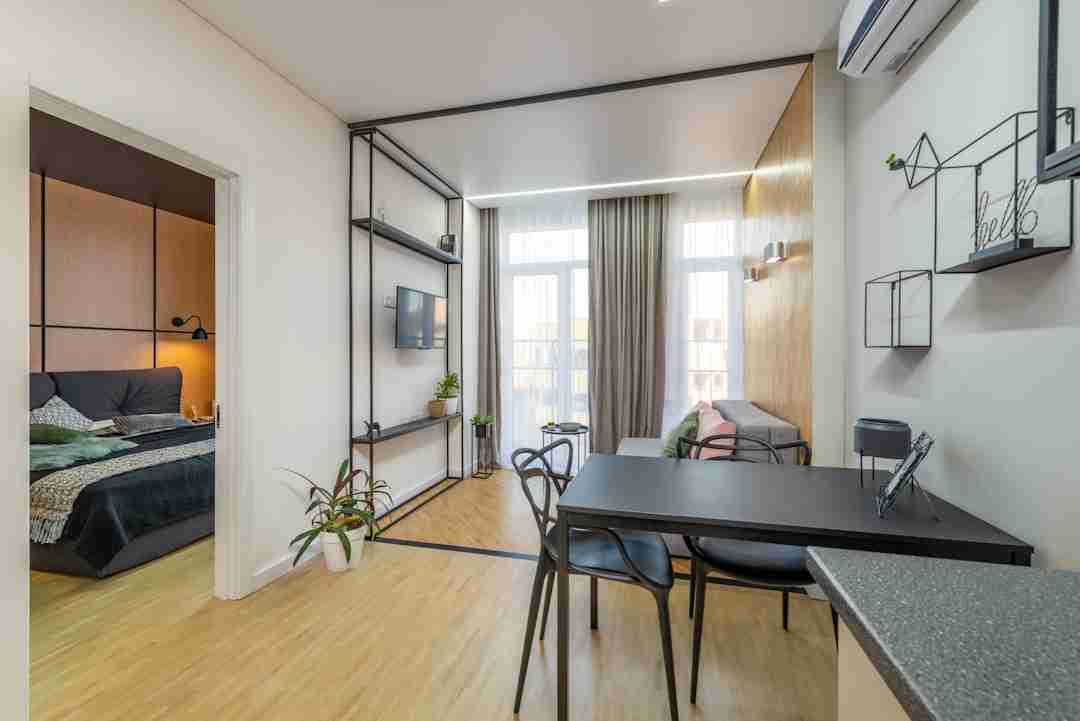
When floor space is limited, look up. Vertical storage solutions can dramatically increase your storage capacity without taking up valuable floor space. Shelves, pegboards, and wall hooks are affordable options for organizing and storing items vertically.
Installing a few wall-mounted shelves can create extra storage for books, decorative items, or kitchen supplies. Pegboards are perfect for organizing tools, kitchen utensils, or office supplies. Wall hooks can hold coats, bags, or even bicycles. This strategy not only keeps items off the floor but also adds an element of design to your space.
For those on a tight budget, DIY options are available. A simple wall-mounted shelf can cost as little as $20, and pegboards or hooks can be even less. By using vertical space, you free up room for other essential items and avoid overcrowding your living area. To maximize the effect, consider using matching containers or baskets on shelves to create a cohesive look while keeping the contents organized and out of sight.
The Capsule Wardrobe: Simplifying Your Closet and Your Budget
A capsule wardrobe is a minimalist approach to clothing that focuses on fewer, high-quality pieces that can be mixed and matched. This strategy not only saves space but also reduces the amount of money spent on clothing.
The concept is simple: select around 30-40 pieces that you love and that work well together. By focusing on quality over quantity, you invest in durable items that last longer, reducing the need for frequent replacements. This approach can also save you time, as it simplifies decision-making each morning.
Creating a capsule wardrobe doesn't require a significant upfront investment. Start by sorting through your current clothing and selecting versatile pieces. When purchasing new items, look for sales or secondhand options to keep costs down. Over time, this method can lead to significant savings. Be mindful of seasonal changes and swap out pieces to suit the weather, ensuring your wardrobe remains functional year-round without expanding unnecessarily.
DIY and Upcycling: Personalizing Your Space for Less
Embracing DIY and upcycling projects can personalize your space without the hefty price tag. Old furniture can be transformed with a fresh coat of paint, and thrifted items can be repurposed to fit your needs.
For instance, an old ladder can be turned into a chic bookshelf, or wooden crates can be stacked to create unique storage units. These projects are not only cost-effective but also allow for creativity and customization in your living space.
The internet is a treasure trove of ideas and tutorials for DIY projects. Platforms like Pinterest and YouTube offer countless inspirations and step-by-step guides. By dedicating a bit of time and effort, you can create a unique home environment that reflects your personality without overspending. When upcycling, consider the original condition and structure of the materials to ensure the final product is both safe and durable for everyday use.
Smart Tech Solutions: Efficiency That Doesn't Break the Bank
Integrating smart technology into your home can lead to cost savings and increased efficiency. Smart plugs, for example, allow you to control appliances remotely, which can help reduce energy consumption and lower utility bills.
Consider investing in a smart thermostat, which can adjust the temperature based on your schedule, potentially saving up to 10-15% on heating and cooling costs. Smart lighting systems, like Philips Hue, offer energy-efficient LED bulbs that can be controlled remotely, further cutting down on electricity use.
While the initial investment in smart technology may seem steep, the long-term savings on utility bills can offset these costs. Additionally, many smart devices have become more affordable, making them accessible even on a tight budget. Explore compatibility with existing devices to maximize the benefits of a connected home, and always research energy-saving features to make the most informed purchasing decisions.
Renting or Sharing: A Creative Approach to Cost Reduction
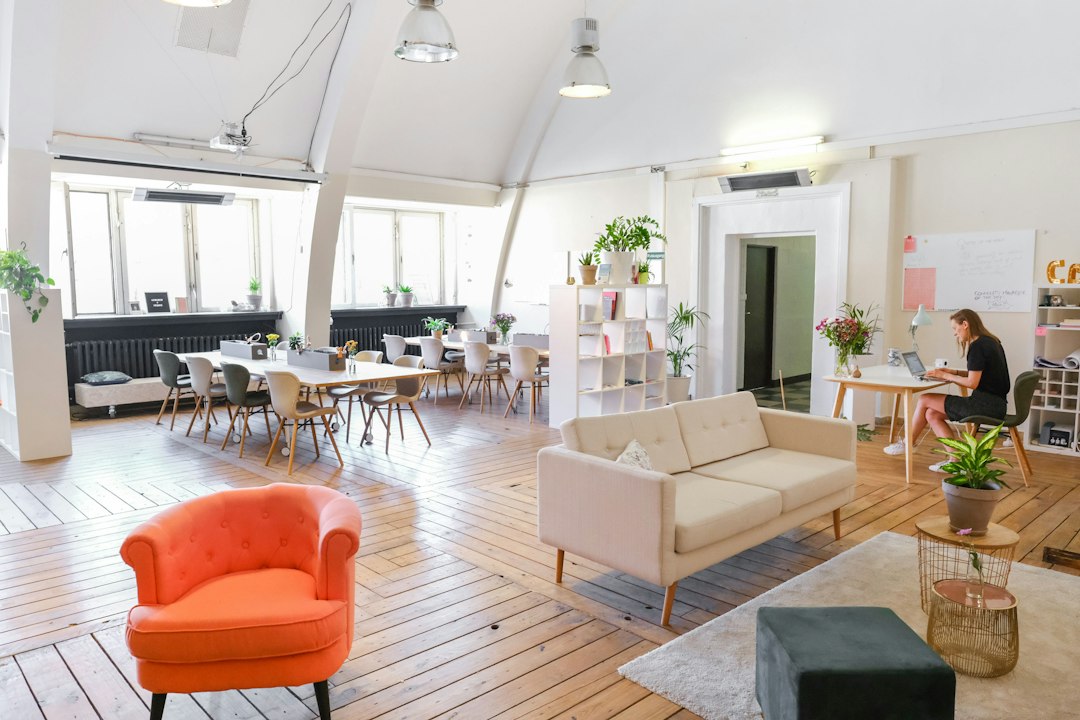
In urban areas, renting or sharing amenities can be an effective way to reduce living costs. Consider sharing a workspace in a co-living environment or renting out an extra room through platforms like Airbnb.
Some apartment buildings offer shared amenities, such as gyms, laundry facilities, or coworking spaces, which can eliminate the need for separate memberships or equipment. This arrangement not only saves money but also fosters a sense of community.
If you're open to sharing your space, look for opportunities to rent out unused areas. This could be as simple as offering a parking spot or as involved as subletting a room. These strategies can provide additional income, helping to offset living expenses. Before engaging in rental agreements, ensure compliance with local regulations and understand the obligations involved to avoid potential legal issues.
Flexible Living Arrangements: Adapting to Your Needs and Budget
Flexible living arrangements, such as tiny homes or RV living, offer an affordable alternative to traditional housing. These options allow for mobility and adaptability, often at a fraction of the cost of a conventional home.
Tiny homes can be customized to fit your specific needs and budget. Many find that the reduced size leads to lower utility bills and maintenance costs. Similarly, RV living offers the freedom to travel while maintaining a comfortable, compact living space.
However, these lifestyles come with their own challenges, such as limited space and the need for minimalism. It's essential to weigh the pros and cons and consider how these options align with your lifestyle and goals before making a decision. Investigate zoning laws and community restrictions that might affect your ability to live in a tiny home or RV, ensuring a smooth transition to this unconventional lifestyle.
Conclusion: Start Small, Think Big
Living big in a tiny space is all about making smart choices and embracing creativity. By investing in multipurpose furniture, maximizing vertical space, adopting a capsule wardrobe, and exploring DIY projects, you can create a comfortable and stylish home without overspending.
Consider incorporating smart technology and flexible living arrangements to further enhance your cost-of-living strategy. And don't overlook the potential of renting or sharing to reduce expenses. Each small decision contributes to a larger, more efficient way of living.
Today, take one step towards transforming your tiny space. Whether it’s reorganizing your closet, installing a new shelf, or exploring smart home options, every action brings you closer to a more spacious and budget-friendly lifestyle.