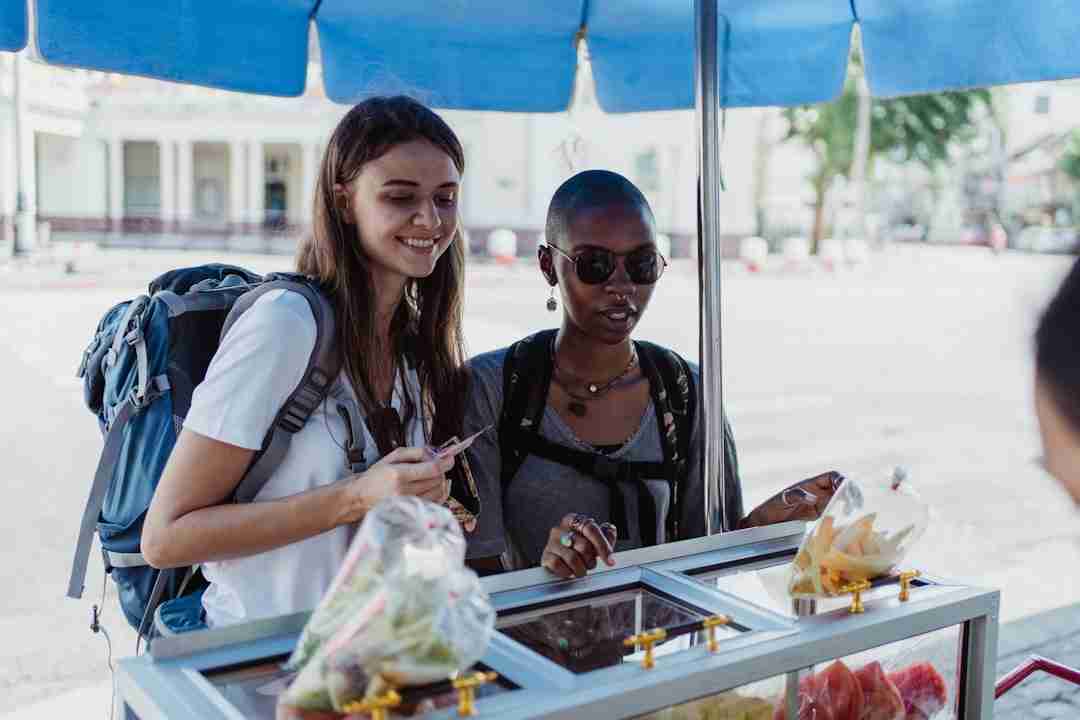
Imagine exploring the vibrant streets of Bangkok, savoring local delicacies at bustling night markets, all while sticking to a daily budget that’s less than the cost of a single dinner back home. This is the reality for many frugal travelers who have mastered the art of living large on a tiny budget. Embracing a lifestyle of frugality doesn’t mean sacrificing adventure or comfort; it means traveling smarter and deeper, discovering hidden gems that others might overlook. Here’s how you can experience the world without breaking the bank.
Stretching Your Dollar: The $30 a Day Travel Budget
Traveling on $30 a day might sound impossible, but seasoned budget travelers have been doing it for years. The trick? Prioritizing spending and cutting unnecessary expenses. Accommodation is often the largest expense, but hostels, Couchsurfing, and house sitting can drastically reduce costs. In Southeast Asia, for example, dorm beds can be found for as little as $5 per night.
In terms of food, street food is not only budget-friendly but also offers an authentic taste of the local culture. For instance, a bowl of pho in Vietnam might cost you less than $2. Transportation is another area to save big. Opt for public transit over taxis, or better yet, explore on foot or rent a bicycle.
The key takeaway here is planning and flexibility. By researching destinations where your dollar goes further, like Central America or parts of Eastern Europe, and staying open to adjusting your itinerary based on deals, you can enjoy a rich experience without a hefty price tag.
The Art of Travel Hacking: Earning Free Flights and Stays
Travel hacking is a game-changer for budget-conscious explorers. This involves leveraging credit card rewards and airline miles to score free flights and hotel stays. Many find that signing up for travel credit cards with generous sign-up bonuses can quickly accumulate enough points for a round-trip ticket.
However, effective travel hacking requires discipline. It’s crucial to pay off credit card balances in full each month to avoid interest charges. Additionally, focusing on cards that align with travel goals, such as those offering bonuses for dining or groceries, can maximize point accumulation. Websites like The Points Guy provide detailed guides on which cards offer the best rewards and how to use them strategically.
For a practical start, consider the following steps: choose a primary card for everyday purchases, keep track of bonus categories, and always be on the lookout for promotional offers that can boost your points balance. With time, travel hacking can significantly offset travel costs.
Off-Season Adventures: Travel for Less When Others Aren’t
Timing is everything. Traveling during the off-season can lead to substantial savings, as flights and accommodations often drop in price when demand decreases. For example, visiting Europe in late autumn rather than summer can result in lower costs and fewer crowds.
Off-season travel also opens opportunities for unique experiences. Imagine having the Great Wall of China almost to yourself or enjoying the serene beauty of an uncrowded Santorini. However, traveling during these times might require adjusting expectations, as some attractions may have limited hours or close altogether.
To make the most of off-season travel, research weather patterns and local holidays, and book flights and accommodations well in advance. By being flexible and open to visiting destinations when others aren’t, you can enjoy significant savings and a more intimate travel experience.
Digital Nomadism: Earning While Exploring
The rise of remote work has given birth to a new kind of traveler—the digital nomad. This lifestyle allows individuals to earn an income while exploring the world, making long-term travel financially feasible. Platforms like Upwork and Fiverr offer opportunities for freelancers to find work that can be done from anywhere with an internet connection.
But digital nomadism isn’t just about finding work; it’s about creating a sustainable routine. Establish a productive workspace, maintain a consistent schedule, and ensure reliable internet access. Cities like Chiang Mai in Thailand and Medellín in Colombia have become popular hubs for digital nomads due to their affordable cost of living and vibrant communities.
For those considering this path, start by identifying skills that can be marketed online, build a strong online portfolio, and network with other digital nomads. This lifestyle not only supports travel but enriches it by allowing deeper cultural immersion and longer stays in each destination.
Sharing Economy: Save and Earn with Peer-to-Peer Platforms
The sharing economy has revolutionized travel, providing both savings and earning potential through platforms like Airbnb and BlaBlaCar. Airbnb allows travelers to find more affordable accommodations, often with kitchen facilities that can save on dining out. Meanwhile, BlaBlaCar connects drivers with passengers heading in the same direction, reducing transportation costs.
For those willing to share their own resources, these platforms offer a way to earn extra income. Renting out an unused room on Airbnb or offering rides through BlaBlaCar can help fund future travels. To maximize safety and reliability, it’s important to read reviews and communicate clearly with hosts or passengers.
This approach not only helps travelers save money but also fosters connections with locals and other travelers, enriching the overall experience. Embrace the sharing economy to stretch your budget further and make meaningful exchanges along the way.
The Power of Local Knowledge: Connecting with Residents
Connecting with locals can transform your travel experience from typical tourist to honorary resident. Locals often know the best, most affordable spots to eat, unique attractions off the beaten path, and tips that aren’t found in guidebooks. Platforms like Meetup or local Facebook groups can help travelers find events and communities to join.
Consider this: a local might introduce you to a hidden hiking trail or a family-owned restaurant with unbeatable prices. These experiences often lead to deeper cultural understanding and memorable stories. The willingness to step out of comfort zones and engage with residents can make a significant difference in both the quality of the trip and the budget.
To start connecting, try learning a few basic phrases in the local language, show genuine interest in the culture, and be respectful of customs. By doing so, travelers can gain insights that enhance their journey while keeping costs down.
Packing Smart: Travel Light, Save More
Packing smart not only simplifies travel but also saves money. Airlines often charge hefty fees for checked luggage, so sticking to a carry-on can lead to significant savings. Moreover, having fewer items means less to keep track of, making travel more convenient.
The strategy is to pack versatile clothing that can be layered and mixed, ensuring preparedness for various climates and occasions. Using packing cubes can help organize space efficiently, and choosing lightweight, quick-dry fabrics can reduce the need for excessive clothing.
Additionally, travel-sized toiletries and a compact first aid kit can prevent last-minute purchases at inflated tourist prices. By reducing luggage weight and volume, travelers enjoy greater mobility and flexibility, allowing them to embrace spontaneous adventures without the burden of excess baggage.
Final Thoughts: Embark on Your Own Frugal Adventure Today
Living large on a tiny budget is more than just a travel strategy—it's a mindset. By prioritizing experiences over expenses and being open to unconventional methods, travelers can explore the world in a fulfilling and sustainable way. Whether it's through travel hacking, embracing the sharing economy, or connecting with locals, there are countless ways to make travel both affordable and enriching.
Start today by planning a trip with these principles in mind. Choose a destination known for being budget-friendly, research cost-cutting tips specific to that location, and set a realistic daily budget. With these steps, not only will you save money, but you'll create unforgettable memories and perhaps even adopt new habits that last a lifetime.


