Imagine waking up to a sunrise over a lush green rice terrace in Bali, sipping coffee while watching the waves crash on the shores of Portugal, or meditating in the serene silence of a remote Icelandic landscape. For those who thrive on exploration and novelty, the life of a green traveler offers these experiences and more. However, as the world becomes increasingly connected, it's crucial to travel sustainably, ensuring these beautiful places remain unspoiled for generations to come. How does one balance the allure of nomadic life with a commitment to sustainability? Here's how.
Slow Travel: The Key to Reducing Carbon Footprint
Instead of hopping from one tourist hotspot to another, consider embracing slow travel. It's not just about extending your stay in one place; it's about immersing yourself in the local culture, understanding the community, and reducing your carbon footprint. A study by the Center for Sustainable Tourism found that travelers who spend more time in one location tend to have a lower environmental impact than those who travel frequently between destinations.
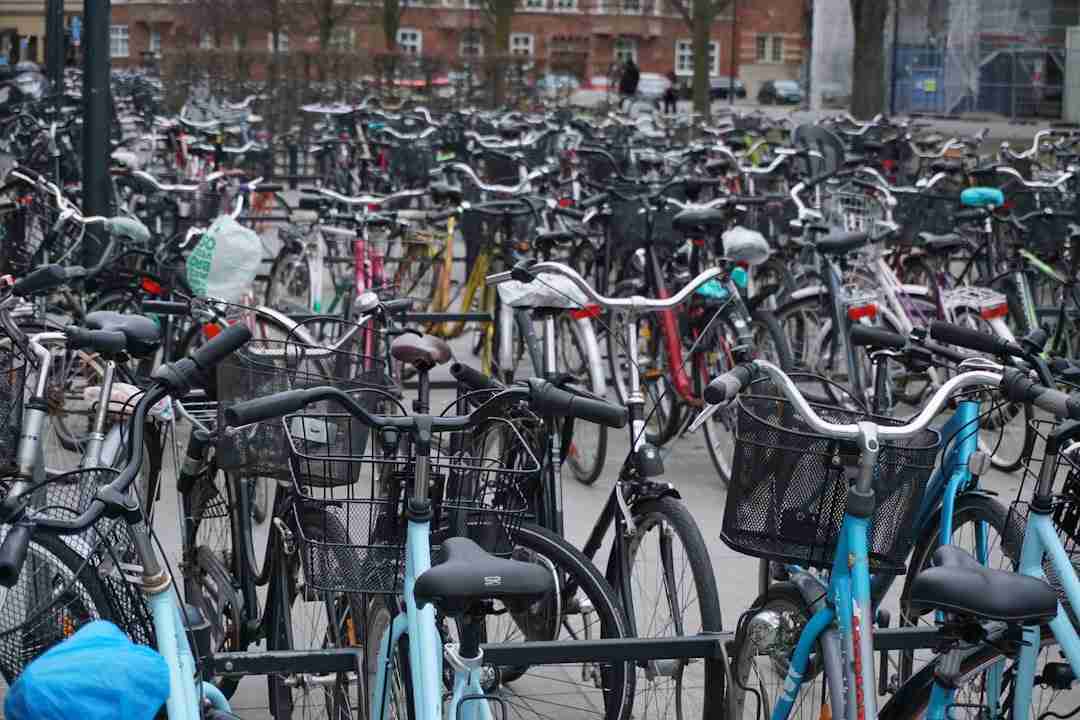
By choosing to stay longer, you can opt for greener modes of transportation like trains or buses, which emit significantly less CO2 than airplanes. For instance, a train emits approximately 14 grams of CO2 per passenger kilometer, compared to 285 grams for a plane. Even better, consider cycling or walking for shorter distances. In many European cities, such as Amsterdam and Copenhagen, cycling is not only a common mode of transport but also a part of the local culture, offering a great way to explore while minimizing environmental impact.
Takeaway: Plan trips with extended stays in fewer locations and utilize eco-friendly transportation options. Not only will this minimize environmental impact, but you'll also gain a deeper appreciation for each locale.
Choosing Eco-Friendly Accommodations: The Green Seal
When selecting where to stay, look for accommodations that prioritize sustainability. Many hotels and hostels now advertise their eco-credentials, but how can you be sure of their claims? The Green Seal certification is a reliable indicator of environmentally responsible practices. Certified establishments focus on energy conservation, waste management, and water efficiency.
For example, the Hi Hotel in Nice, France, uses renewable energy sources and sustainable materials. Alternatively, platforms like EcoBnB specialize in connecting travelers with eco-friendly lodging options worldwide. Don't forget to check for other certifications such as LEED (Leadership in Energy and Environmental Design) or EarthCheck, which also denote high standards of sustainability.
Takeaway: Before booking, research accommodations with proven sustainability certifications. This ensures your stay supports environmental and community well-being.
Sustainable Packing: Less is More
Packing light is not just practical; it’s sustainable. The lighter your luggage, the less fuel is required for transportation. Start with versatile clothing that can be layered and mixed. Invest in reusable items like stainless steel water bottles, bamboo cutlery, and cloth shopping bags to avoid single-use plastics.
According to a survey by the Global Tourism Plastics Initiative, over 80% of travelers have now adopted reusable water bottles as part of their packing essentials. This small change can significantly reduce plastic waste. Consider also bringing travel-sized toiletries in reusable containers to further minimize plastic usage. Packing cubes can help organize your belongings efficiently, allowing you to bring only what you need.
Takeaway: Streamline your packing list. Prioritize reusable and multi-purpose items to reduce waste and lighten your load.
Supporting Local Economies: Spend Where It Matters
Traveling sustainably also means supporting the local economy. Choose to dine at locally-owned restaurants, shop at neighborhood markets, and hire local guides. This direct spending fosters economic growth within the community, ensuring that tourism benefits those who live there.
In Thailand, for example, locally-run businesses often offer unique experiences that larger chains cannot. Whether it's a cooking class or a guided tour of a hidden gem, these activities often provide a more authentic experience. Look for community-based tourism initiatives that focus on empowerment and fair trade, ensuring that your money directly benefits those who need it most.
Takeaway: Opt for local products and services. This not only enriches your travel experience but also positively impacts the local economy.
Offset Your Carbon Emissions: Websites That Help
Despite best efforts, some carbon emissions are inevitable. This is where carbon offset programs come into play. Websites like Carbonfund.org and Gold Standard allow travelers to offset emissions by funding projects that reduce carbon dioxide in the atmosphere.
For instance, contributing to reforestation projects or renewable energy initiatives can balance out the emissions from flights. According to Carbonfund, offsetting the carbon footprint of a round-trip flight from New York to London costs approximately $20, a small price for peace of mind. It's worth noting that some airlines now offer carbon offset programs directly when purchasing tickets, making it easier than ever to mitigate your impact.
Takeaway: Use carbon offset platforms to mitigate your travel footprint. This complements your sustainable travel practices and aids global environmental efforts.
Digital Tools for Green Travelers: Apps You Need
In the digital age, numerous apps can assist in maintaining a sustainable lifestyle on the road. Ecosia is a search engine that plants trees with its ad revenue, while Too Good To Go helps you find restaurants with surplus food at reduced prices, minimizing food waste.
Additionally, HappyCow guides you to vegan and vegetarian restaurants, which typically have a lower environmental impact than those serving meat-heavy menus. Apps like GoGreen provide tips and track your sustainability efforts, offering challenges and rewards for eco-friendly behaviors.
Takeaway: Leverage technology to make eco-friendly choices more accessible and convenient.
The Community Connection: Building Relationships
Thriving as a green traveler often means forming connections with locals and other travelers who share similar values. Join community groups, participate in local events, and engage with environmental organizations. This not only enhances your travel experience but also fosters a sense of belonging and purpose.
The Couchsurfing community, for instance, connects travelers with locals willing to share their homes and insights. It’s a valuable resource for those looking to experience a place through the eyes of its residents. Engage in volunteer opportunities or eco-tourism projects, which can provide a deeper understanding of local environmental challenges and solutions.
Takeaway: Cultivate relationships wherever you go. This enriches your journey and deepens your commitment to sustainable travel.
Reflecting on the Journey: Continuous Improvement
Sustainable travel is an ongoing journey, not a destination. Regularly reflect on your travel habits and seek ways to improve. Engage with the broader community of green travelers to stay informed about new sustainable practices and technologies.
The reality is, sustainable travel is as much about mindset as it is about actions. It requires a commitment to learning and adapting, ensuring that every corner of the world can feel like home, both now and in the future. Consider keeping a travel journal to document your experiences and insights, which can serve as a personal guide for future journeys.
Takeaway: Embrace a mindset of continuous learning and improvement. This ensures that sustainable practices become second nature, benefiting both you and the planet.
In conclusion, living as a sustainable nomad is about making mindful choices that balance the love for discovery with the responsibility of preservation. Whether it's choosing eco-friendly accommodations, supporting local economies, or using digital tools to minimize impact, each action contributes to a larger goal. By embracing these practices, you can thrive as a green traveler, finding home in every corner of the world while ensuring its beauty endures for future adventurers.