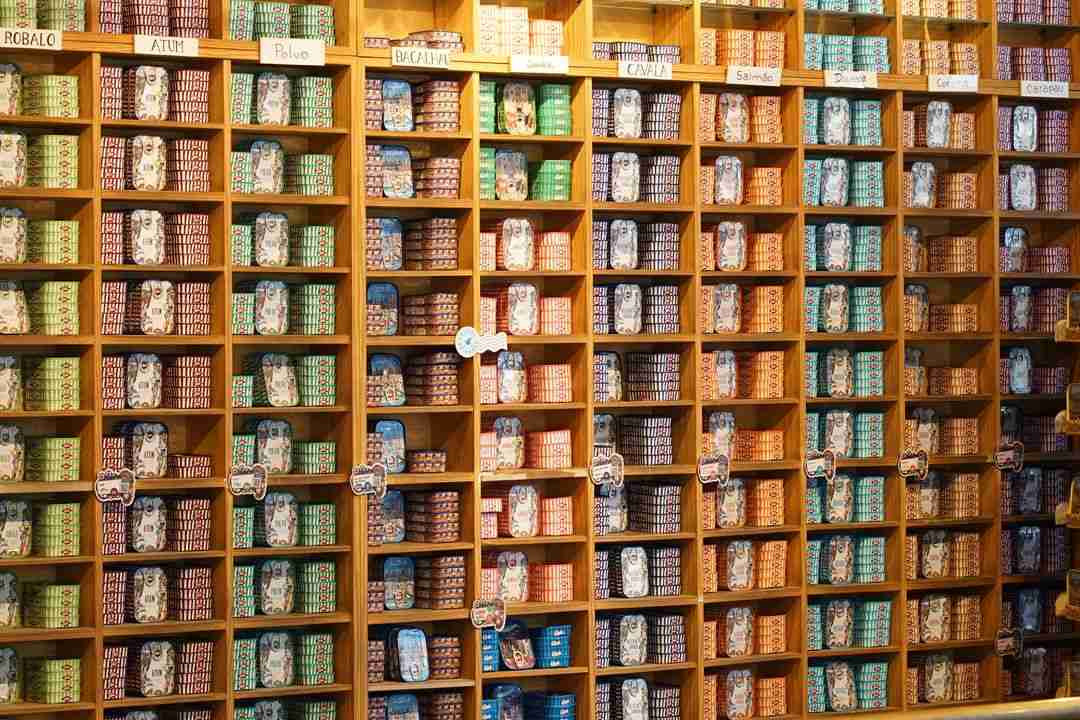
Imagine standing in the middle of a bustling grocery store in a country where every label looks foreign, and the aisles seem to stretch endlessly with unfamiliar products. The challenge isn't just about finding something to eat—it's about adapting to a whole new way of life. For those living abroad, navigating a new grocery store can feel like an adventure or a daunting task. But with the right strategies, it can become an exciting part of the expat experience.
Familiarizing Yourself with the Layout
Every grocery store has its own logic when it comes to layout, and this can vary significantly from one country to another. In some places, fresh produce might greet you at the entrance, while in others, you might find a section dedicated to local specialties. Understanding this layout is your first step. Spend a few minutes just walking through the aisles without the pressure to buy. Take note of where different categories are placed. This initial reconnaissance can save you a lot of time in future visits.
Some stores abroad, like Tesco in the UK, have apps that provide store maps and allow you to check product availability in real-time. These digital tools can be a lifesaver as you navigate unfamiliar territory.
Consider also observing local shopping patterns. For example, many European stores place dairy products at the back to encourage customers to walk through the entire store, potentially picking up more items along the way. Understanding these subtle marketing techniques can help you shop more efficiently.
Translating Labels: The Language Barrier
Encountering labels in a foreign language can be intimidating. But there's an app for that—several actually. Translation apps like Google Translate can be used to scan and translate text on labels in real-time. This tool can help ensure you're buying salt instead of sugar or milk instead of buttermilk.
Another strategy is to learn key food-related words in the local language. Phrases like "flour," "sugar," "milk," and "eggs" are useful starting points. Over time, as you pick up more of the language, shopping will become easier and more intuitive.
For those with dietary restrictions, it's helpful to familiarize yourself with the translations of specific allergens or dietary terms. Knowing how to identify "gluten," "dairy," or "nut" in the local language can prevent potential health issues.
Finding Familiar Foods and Brands
Homesickness can often strike in the aisles of a grocery store when you can't find your favorite comfort foods. Here's the thing: many international brands have a presence in foreign supermarkets—though they might go by different names. For example, in many parts of Europe, you might find "Coca-Cola Light" instead of "Diet Coke."
Consider visiting stores that cater specifically to expats or international foods. These stores often stock brands and products that might be absent from local supermarkets. Websites like Expat Market offer directories of such stores in various countries.
In addition, joining online expat communities or forums can provide valuable insights and tips on where to find specific products. Fellow expats often share their discoveries of stores or markets that carry familiar items, making your search a little easier.
Exploring Local Markets for Fresh Produce
While supermarkets provide convenience, local markets offer freshness and often better prices. They're also a fantastic way to immerse yourself in the local culture. Markets like La Boqueria in Barcelona or Borough Market in London are renowned for their vibrant displays of fresh produce and local delicacies.
When visiting local markets, it's helpful to understand the local measurement systems. Not everywhere uses pounds and ounces; many countries use kilograms and liters. Knowing these conversions can help you purchase the right amount of ingredients without overbuying.
Engaging with the vendors can also enhance your market experience. Many vendors take pride in their products and are willing to offer preparation tips or recipe suggestions. This interaction not only aids in understanding local produce but also builds a connection with the community.
Embracing Local Cuisine
One of the best parts about living abroad is the opportunity to explore new cuisines. Rather than trying to recreate your entire diet from back home, embrace local ingredients and recipes. Attend cooking classes or join local food tours to learn more about the regional specialties.
In Thailand, for instance, learning to cook a simple Pad Thai can introduce you to local ingredients like fish sauce and tamarind paste. This not only enriches your culinary skills but also helps you integrate into the local culture.
To deepen your culinary journey, consider documenting new recipes and ingredients in a journal. Over time, this can become a cherished collection of your global culinary adventures, offering a tangible memory of your life abroad.
Budgeting in a Foreign Currency
Shopping in a foreign currency can initially lead to overspending. It's easy to lose track of how much you're really spending when you're not familiar with the currency. Use currency conversion apps like XE Currency to keep track of your spending in your home currency until you're comfortable with the local one.
Also, be aware of local pricing norms. In some countries, haggling in markets is expected, while in others, prices are fixed. Understanding these nuances can help you avoid overpaying.
To manage your budget effectively, consider setting a weekly or monthly spending limit. Tracking your expenses can prevent financial stress and help you adjust more smoothly to your new cost of living.
Preparing for Unexpected Discoveries
One of the joys of exploring a new grocery store is stumbling upon unexpected finds. You might discover a new favorite snack or a local beverage that's unlike anything you've had before. Allow yourself to experiment and try new things. These little discoveries can make shopping exciting and enjoyable.
But keep in mind dietary restrictions or allergies. Always double-check ingredient lists, especially when trying unfamiliar products. Apps like Food Allergy Translate can help translate allergen information into different languages.
Cultivating an adventurous mindset can make your grocery trips more enjoyable. Consider setting a goal to try one new item each week, whether it's a spice, a fruit, or a snack. This practice can broaden your palate and make each shopping trip an opportunity for discovery.
Building a Routine
Once you've familiarized yourself with the local grocery stores, it's time to establish a routine. Decide on a regular shopping day to keep your pantry stocked. Having a routine not only saves time but also helps you adjust to your new environment more smoothly.
Consider setting aside a day each month to explore a different store or market. This keeps things fresh and might lead to new discoveries. Plus, it offers a break from the routine and adds an element of adventure to your weekly chores.
Incorporating a structured shopping list can also enhance efficiency. By organizing your list according to the store layout, you can reduce the time spent wandering aimlessly and ensure you don't forget essential items.
Gaining Confidence Over Time
Adjusting to a new grocery store in a foreign country is a journey. It starts with confusion but gradually leads to confidence. With each visit, you become more familiar with the aisles, the products, and even the faces of the staff. This familiarity can provide a sense of comfort and belonging in a foreign land.
Remember, everyone starts as a novice. The key is persistence and openness to learn. Each shopping trip is a step closer to feeling at home abroad.
Consider celebrating small victories, like successfully navigating a new section or finding a long-sought-after ingredient. These achievements, no matter how minor, contribute to building your confidence and enhancing your overall expat experience.
In conclusion, adapting to new grocery stores while living abroad can be a rewarding experience with the right mindset and tools. By embracing local customs, learning the language, and keeping an open mind, you'll not only find the foods you need but also discover a new way of life. So the next time you find yourself facing those unfamiliar aisles, remember: you're not just shopping—you're exploring, learning, and living.