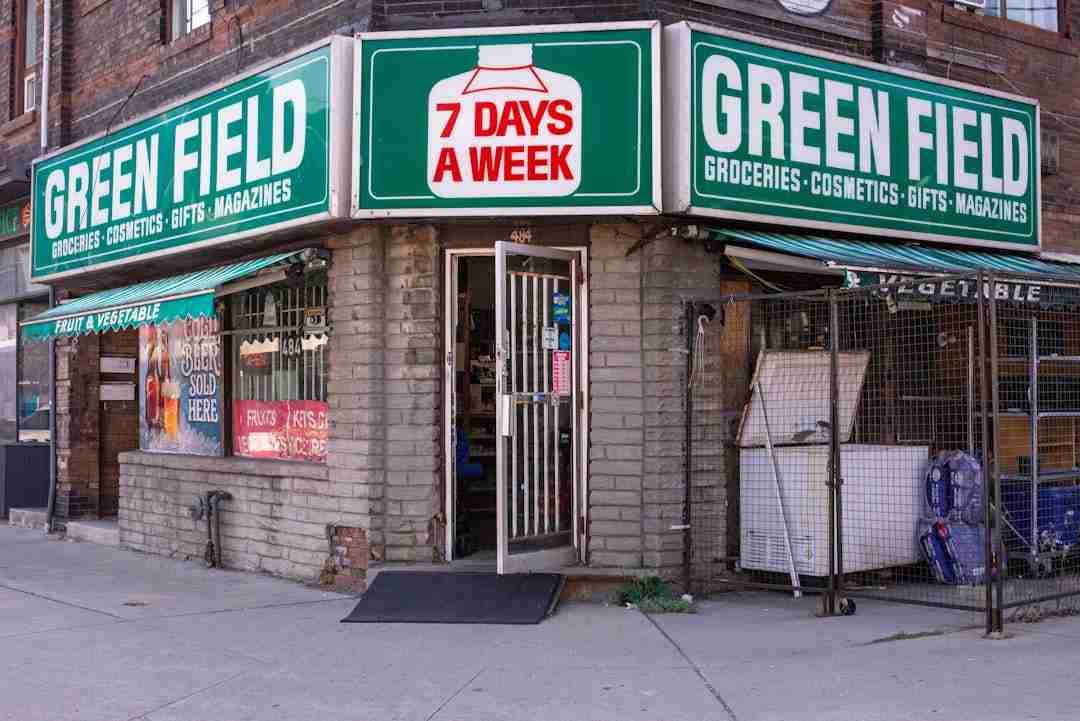
Imagine stepping into a bustling grocery store in a foreign country. The aisles are filled with unfamiliar brands, labels in a language you can’t read, and products you’ve never seen before. It’s easy to feel overwhelmed, but mastering the art of grocery shopping abroad can turn this chaos into an exciting adventure. Understanding a few key strategies can save time, reduce stress, and even expand your culinary horizons.
Recognizing Local Brands and Products
Familiarity is comforting, so identifying local brands can make a huge difference. Research shows that many expatriates initially spend up to 30% more on groceries simply because they gravitate towards international brands they recognize. This isn't always necessary. Local brands often offer quality products at a fraction of the cost. A good starting point is to ask locals for recommendations or join community groups where expatriates share tips on which brands offer the best value.
Labeling can also be a major hurdle. Translation apps like Google Translate can be invaluable tools. Use the app’s camera feature to translate product labels in real-time. This can help you identify ingredients and nutritional information, ensuring you make informed choices. Remember, local doesn't mean inferior, and exploring these options can lead to delightful discoveries. For instance, trying a local brand of olive oil in Italy might reveal a rich flavor profile that's unmatched by its international counterparts.
Adapting to Different Store Layouts
Different countries have different store layouts, and this can be disorienting. For instance, in France, it's common to find milk stored in the non-refrigerated aisle, while in Japan, fresh produce is often located at the back of the store. Understanding these nuances can save you time and frustration.
Many find that visiting the same store multiple times can help you become familiar with its layout. Try mapping out the aisles mentally or even sketching a quick diagram. This way, you can navigate the store efficiently on future visits. Some expatriates suggest taking photos of key sections, which can act as a visual guide when planning subsequent shopping trips. Over time, these strategies can turn a potentially stressful experience into a routine part of your weekly schedule.
Learning the Local Language Basics
Language barriers can be a significant challenge when grocery shopping abroad. Learning a few basic phrases can be incredibly helpful. Phrases such as “Where is…?” or “Do you have…?” are essential. Investing a little time in language learning apps like Duolingo can be beneficial. They offer bite-sized lessons that are easy to fit into a busy schedule.
Additionally, having a list of common grocery items translated into the local language can be a lifesaver. This list can be on your phone or a small card you carry in your wallet. Locals are often more than willing to help if you make an effort to communicate in their language, even if it’s just a few words. Imagine the delight of a local vendor when you ask for apples in their native tongue; this small effort can often lead to richer interactions and even a few insider tips on what’s in season.
Timing Your Shopping Trips
Timing can greatly affect the quality and cost of groceries. In many countries, fresh produce is delivered on specific days. Knowing when these deliveries occur can ensure you get the freshest items. For example, in Italy, local markets often receive fresh stock on Mondays and Thursdays.
Avoiding peak hours can also enhance your shopping experience. Many find weekday mornings or late evenings less crowded, providing a more relaxed environment to shop. Plus, some stores offer discounts on perishable items close to closing time, which can be an excellent opportunity to purchase high-quality products at lower prices. In some cultures, shopping early in the morning is seen as a social activity, offering a chance to connect with locals and learn more about the community.
Making Use of Loyalty Programs and Discounts
Loyalty programs can offer significant savings over time. Many grocery stores abroad have loyalty cards that provide discounts, cashback, or even free items. Signing up is usually straightforward and can often be done online or at the store with a passport or local ID.
Keep an eye out for local discount days or special promotions. For instance, some stores in Germany offer 10% off for students on certain days. It’s worth asking the store staff about these offers or checking the store’s website. This strategy not only saves money but also helps integrate into the local shopping culture. In some locations, loyalty programs are linked to apps that notify you of instant discounts, helping you plan your purchases more strategically.
Embracing Local Markets and Specialty Shops
Beyond supermarkets, local markets and specialty shops can offer a treasure trove of unique products. Farmers' markets, for instance, provide access to fresh, seasonal produce directly from local growers. This not only supports the local economy but often guarantees superior quality.
Specialty shops offer products that you might not find in larger grocery stores. In countries like Thailand, spice shops provide an array of local spices that can elevate your cooking. In France, fromageries (cheese shops) offer a selection of artisanal cheeses. Exploring these options can enrich your cooking experience and introduce you to new flavors and ingredients. Regular visits to these markets can also help in building relationships with vendors, often resulting in personalized recommendations and the occasional discount.
Understanding Cultural Differences in Shopping Etiquette
Cultural norms can impact the shopping experience significantly. In some countries, bargaining is expected in markets, while in others, it's considered rude. Understanding these subtleties can help you avoid awkward situations and even save money.
In many Asian countries, using both hands to receive change or a receipt is a sign of respect. In some European countries, bringing your own shopping bags is the norm, and failing to do so might incur an extra charge. Learning these customs shows respect for the local culture and can make shopping a more pleasant experience. Engaging with these cultural nuances not only enhances the shopping experience but also provides a deeper appreciation of the local community's customs and traditions.
Bringing Technology into Your Shopping Routine
Technology can be a powerful ally when navigating grocery stores abroad. Apps like Notion and Trello can help organize shopping lists and meal plans. These tools allow you to categorize items, note prices, and even track your budget.
For those who prefer a more interactive experience, some stores offer apps that provide store maps, digital coupons, and real-time updates on stock availability. Utilizing these resources can streamline your shopping experience, making it quicker and more efficient. Moreover, some apps can suggest recipes based on the ingredients you purchase, encouraging you to try new dishes and make the most of local produce.
Preparing for Unexpected Challenges
Living abroad means dealing with the unexpected. Supply chain issues, local holidays, or sudden changes in store hours can affect grocery shopping plans. Having a backup plan can mitigate these disruptions. Keeping a small stockpile of non-perishable items can be a lifesaver during these times.
It's also beneficial to have a list of alternative stores or markets. Networking with locals or other expatriates can provide insights into reliable options. This readiness ensures that you're not caught off guard and can adapt to any situation with ease. Being prepared for these challenges not only reduces stress but also allows you to respond with flexibility and creativity, turning potential obstacles into opportunities for exploration.
Grocery shopping abroad doesn't have to be a daunting task. With the right strategies, it can be an enriching experience that broadens culinary horizons and deepens cultural understanding. Start today by exploring a new local market or trying a different brand. Each step taken is a step closer to mastering the art of living abroad.


