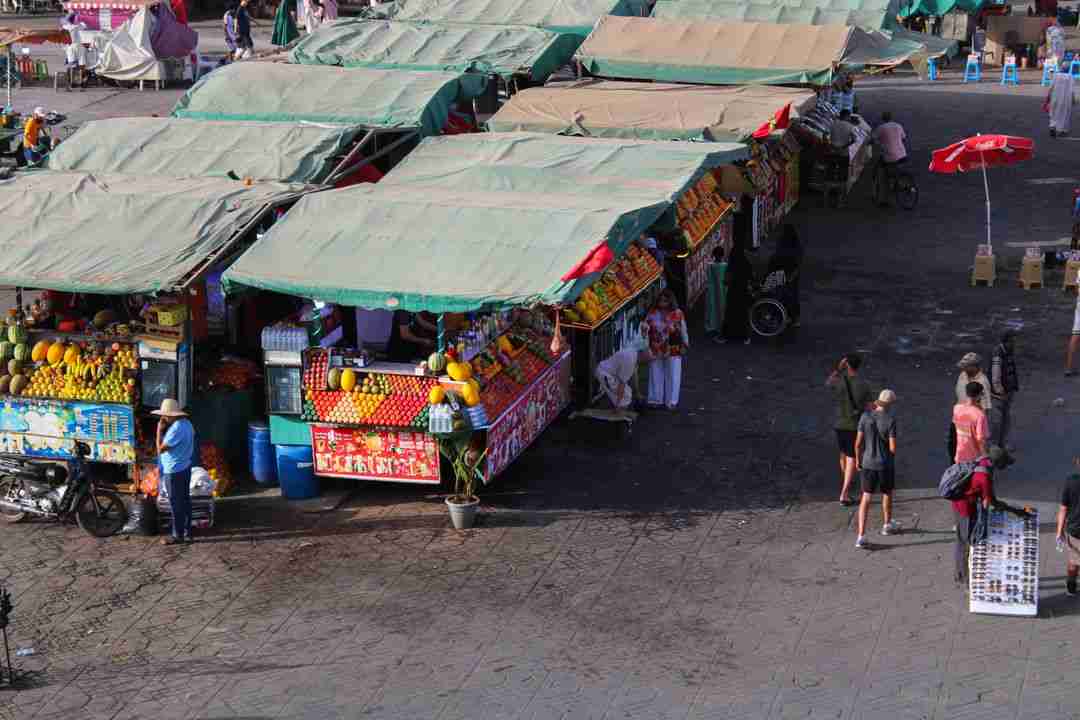
Imagine standing in a bustling market in Bangkok with its vibrant colors, unfamiliar scents, and a cacophony of voices. You're holding a list of groceries in one hand and a map in the other, feeling both exhilarated and a little overwhelmed. Navigating a local market overseas can be one of the most enriching experiences when traveling or living abroad, but it can also be a challenge if you're unprepared. This isn't just about filling your basket; it's about embracing a new culture and finding joy in the everyday life of another country.
Understanding Local Market Etiquette
One of the first things to grasp is the etiquette of shopping in local markets. Unlike the self-service supermarkets many are accustomed to, traditional markets often involve direct interaction with vendors. In many cultures, haggling is not only accepted but expected. It’s a dance of sorts, where both parties engage in a friendly negotiation to reach a mutually satisfactory price. In Morocco, for instance, it's common for vendors to initially quote a price that's twice as high as what they're willing to accept.
But here's the thing, understanding when and where to haggle is crucial. In some countries, such as Japan, haggling is seen as disrespectful. To avoid faux pas, observe local shoppers or ask locals about common practices. Many find that a simple smile and a respectful approach go a long way. Additionally, learning a few basic phrases in the local language can demonstrate respect and effort, often endearing you to the vendors and enhancing your shopping experience.
Navigating Language Barriers with Apps
Language can be a significant barrier, but technology offers solutions. Apps like Google Translate can be lifesavers. These apps allow you to translate text in real-time, and some even offer camera translation features. Simply point your phone's camera at the text, and it will translate it for you.
However, it's not just about translation. Understanding cultural nuances in language is equally important. For example, in France, addressing someone with "tu" instead of "vous" can be seen as impolite unless you're familiar with the person. Language apps can help with basic translations, but a little research into cultural norms can prevent misunderstandings. Consider carrying a pocket-sized phrasebook for quick reference, which can be handy in areas with limited internet connectivity.
Recognizing Regional Produce and Brands
Every region has its unique produce and local brands that may not be familiar. In Italy, you might find a variety of tomatoes that you've never seen before, such as San Marzano, which are prized for their flavor in sauces. Similarly, in Japan, you'll encounter a range of soy sauces, each with a distinct taste profile.
Here's how you can familiarize yourself with these: start by observing what locals are buying. If you notice a particular brand or type of produce is popular, there's a good chance it's a staple in local cuisine. Many markets have tasting stalls, so take advantage of these opportunities to sample different products. Engaging with vendors to ask about the origins or uses of unfamiliar items can also provide valuable insights and cooking tips.
Managing Currency and Payments
Currency can be another hurdle. While credit cards are widely accepted in many places, local markets often prefer cash. This means you need to be aware of the local currency and its denominations. In India, for instance, markets typically operate on a cash basis, and having small bills can facilitate transactions.
It's also wise to have a currency conversion app like XE Currency on hand. This app can help you quickly convert prices to your home currency, ensuring you stay within budget. Remember, exchange rates fluctuate, so it's a good idea to check rates regularly if you're staying for an extended period. Consider setting a daily budget to manage expenses effectively and avoid overspending.
Timing Your Visit for the Best Experience
Timing can greatly affect your market experience. In many countries, markets are at their busiest in the morning when the produce is freshest. However, visiting later in the day can sometimes score you discounts as vendors try to sell the remaining stock.
Take Spain, for example, where markets like La Boqueria in Barcelona are bustling in the early hours. But those who visit in the late afternoon might find vendors more willing to negotiate prices. Planning your visit based on what you value—freshness or savings—can make a significant difference. Research local market schedules, as some may have special days for specific types of goods, adding another layer to your shopping strategy.
Bringing the Right Tools: Reusable Bags and Containers
Sustainability is a growing concern worldwide, and many markets are moving away from plastic. Bringing your own reusable bags is not only environmentally friendly but often a necessity. In countries like Germany, shoppers are expected to bring their own bags, and failing to do so can lead to extra charges.
Consider carrying small containers for items like spices or loose produce. This practice not only reduces waste but also helps in keeping your purchases organized. Being prepared with the right tools can enhance your shopping efficiency and contribute positively to the environment. Some markets may even offer incentives, such as discounts, for using sustainable shopping methods, so inquire about these opportunities during your visit.
Embracing the Experience Beyond Shopping
Grocery shopping abroad isn't just about the transaction; it's an opportunity to immerse yourself in the local culture. Engaging with vendors can lead to learning about local recipes or discovering an unfamiliar ingredient. In Thailand, for instance, a conversation with a vendor might introduce you to kaffir lime leaves, a staple in Thai cooking.
Take the time to explore beyond the shopping list. Many markets have food stalls where you can try local street food, providing a deeper dive into the regional cuisine. Embrace these moments as part of your cultural journey. Participating in local cooking classes that often begin with market visits can also enhance your understanding and appreciation of the ingredients you encounter.
Staying Safe and Aware
Safety is paramount, especially in crowded markets. Pickpocketing can be an issue in some areas, so keep valuables secure and avoid carrying large amounts of cash. Many travelers use money belts or hidden pouches to safeguard their belongings.
Being aware of your surroundings is key. In busy markets, it's easy to become distracted, so staying vigilant can prevent mishaps. Trusting your instincts and maintaining a cautious approach can ensure a safe and enjoyable experience. Familiarize yourself with local emergency numbers and have a plan in case you get separated from your group.
Engaging in Cultural Events and Festivities
Markets often serve as cultural hubs where local events and festivities take place. Participating in these activities can enrich your experience. For instance, in Mexico, markets may host traditional dances or music performances, especially during festivals. Engaging in these events allows you to witness local traditions firsthand and can provide a deeper appreciation of the cultural context of the market.
Research market schedules to identify when such events might occur. Engaging with locals to learn about the significance of these celebrations can offer unique insights and add memorable experiences to your visit. Always approach these events with respect and a willingness to learn, further enhancing your cultural immersion.
Bringing It All Together for a Memorable Experience
Navigating local markets overseas is about more than just buying food. It's about understanding and embracing the culture, connecting with locals, and discovering new flavors. Each trip to the market is an opportunity for adventure and learning.
Start by researching local customs and etiquette. Use technology to overcome language barriers and familiarize yourself with local produce. Manage your currency wisely and plan your visit for the best experience. Equip yourself with reusable tools and stay safe throughout your journey.
By approaching your first grocery trip overseas with curiosity and an open mind, you're not just shopping—you're embarking on a cultural exploration that enriches your travel experience. Whether you're a seasoned traveler or new to the adventure, there's always something new to learn and enjoy in the vibrant world of local markets.


