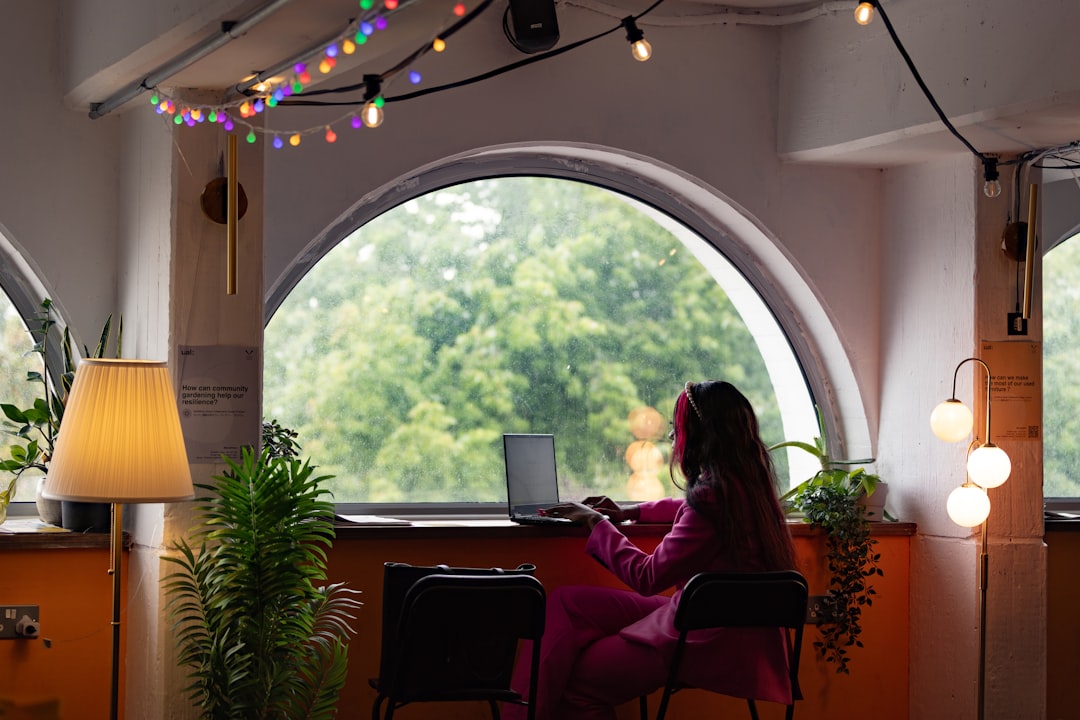
Remote Work in Spain: A Gateway to a Balanced Lifestyle
Remote work has redefined our professional landscapes, offering unprecedented flexibility to work from virtually any corner of the globe. Among the many alluring destinations, Spain stands out as a remote work haven, offering a perfect blend of vibrant culture, breathtaking landscapes, and a lifestyle that prioritizes balance. So, what makes “Remote work in Spain?” an irresistible proposition? Let’s delve deeper into why this captivating country has become a top destination for remote workers seeking a harmonious blend of work and leisure.
The Perfect Blend of Work and Culture
Spain’s culture is renowned for its emphasis on living in the moment and appreciating life, which aligns seamlessly with a balanced work-life approach. The Spanish lifestyle is infused with a sense of leisure that allows for a more relaxed approach to work without sacrificing productivity. This is evident in the traditional siesta—a practice where businesses may close for a few hours in the afternoon, allowing employees to rest and recharge. Although not as prevalent in larger cities today, this cultural norm reflects the importance of balance.
Case Study: Sarah’s Journey to Balance
Consider Sarah, a graphic designer from the UK. Tired of the relentless pace of London, she moved to Valencia, drawn by its reputation for a more relaxed lifestyle. Mornings for Sarah now start with a peaceful walk along the Turia Gardens, a green oasis that meanders through the city. This daily ritual has not only improved her mental well-being but also sparked creative ideas for her projects. Lunchtime is an opportunity to indulge in local cuisine at nearby tapas bars, where she can unwind and socialize with fellow remote workers. Evenings often see Sarah exploring Valencia’s historic neighborhoods or enjoying local cultural events, all while maintaining her professional responsibilities with renewed vigor.
Cost of Living and Accessibility
Spain offers a compelling cost of living, especially when compared to other Western European countries. This affordability extends to cities like Valencia and Seville, which offer a lower cost of living compared to cities like Paris or London, yet still provide high-quality amenities and services.
Real-World Example: Budget-Friendly Living
Take the example of Mike, a software engineer from San Francisco, who relocated to Barcelona. He found that renting a one-bedroom apartment in the vibrant Eixample district cost him significantly less than his previous apartment in the Bay Area. This affordability extends beyond housing to daily expenses such as dining, transportation, and entertainment. Mike now enjoys a lifestyle that includes frequenting local cafés, attending concerts, and traveling across Spain—a lifestyle that would have been financially restrictive back home.
Spain’s accessibility further enhances its appeal. The country’s well-connected transportation network, including international airports and an efficient train system, makes it easy for remote workers like Mike to travel for business or leisure. The AVE high-speed train, for example, offers a scenic and time-efficient way to explore different regions, from the beaches of the Costa del Sol to the mountains of the Pyrenees.
The Climate and Natural Beauty
Spain’s geographic diversity means remote workers can select their preferred climate and environment. Whether you are drawn to the sunny beaches of the Costa del Sol, the lush greenery of Galicia, or the bustling urban life in Madrid, Spain offers a climate to suit every preference.
Case Study: Emma’s Outdoor Adventures
Emma, a freelance photographer from Canada, chose to settle in the Canary Islands, captivated by the promise of year-round sunshine. With over 3,000 hours of sunshine annually, Emma can indulge her passion for outdoor photography, capturing the islands’ stunning landscapes and vibrant marine life. This outdoor lifestyle not only enriches her personal life but also fuels her creativity, leading to a surge in her professional portfolio and client base.
Navigating the Digital Landscape
Spain has made significant strides in its digital infrastructure, which is crucial for remote work. High-speed internet is widely available in most urban and suburban areas, ensuring seamless connectivity for video calls, large file transfers, and other online activities. Coworking spaces have proliferated in cities, offering modern facilities and networking opportunities for remote workers.
Practical Step: Building a Digital Presence
For digital professionals like Lisa, a marketing consultant from the United States who moved to Barcelona, Spain’s robust digital landscape has been a game-changer. With reliable internet connectivity and access to coworking spaces, Lisa maintains her international client base while expanding her business network locally. By regularly attending events and workshops at her coworking space, she has established a strong professional presence in the city, leading to collaborations and new opportunities.
Building a Community Away from Home
One of the challenges of remote work can be the sense of isolation that sometimes accompanies working away from a traditional office. Spain’s warm and welcoming culture provides an antidote to this potential pitfall. The Spanish people are known for their hospitality and friendliness, making it easier for remote workers to feel at home and build a social network.
Real-World Example: Finding a Home Away from Home
Alex, a digital nomad from Australia, experienced this firsthand when he moved to Madrid. Initially apprehensive about leaving his support network, he quickly found solace in Madrid’s thriving expat community. By joining local Meetup groups and attending language exchanges, Alex not only improved his Spanish but also formed lasting friendships. These connections have been invaluable, providing both personal support and professional opportunities.
Practical Tips for Remote Work in Spain
For those considering making Spain their remote working base, here are some practical tips to facilitate the transition:
1. Visa Requirements: Depending on your nationality, you may need a visa to live and work remotely in Spain. The Spanish government has been promoting digital nomad visas, which cater specifically to remote workers. Check the latest regulations or consult with a legal expert to ensure compliance.
2. Accommodation: Platforms like Airbnb, Idealista, and Spotahome offer a range of options from short-term rentals to long-term accommodations. Consider the location’s proximity to coworking spaces and public transport.
3. Health Insurance: Ensure you have comprehensive health insurance that covers you while living in Spain. Some health insurance plans offer international coverage, but it’s wise to confirm the specifics.
4. Language: While many Spaniards speak English, especially in tourist areas, learning basic Spanish can enhance your experience and help in daily interactions.
5. Networking: Join local and online communities, such as Meetup groups or LinkedIn networks, to connect with other remote workers and locals. This can lead to both professional opportunities and lasting friendships.
Embracing the Spanish Lifestyle
Ultimately, the true essence of remote work in Spain lies in embracing the Spanish way of life—one that values relationships, leisure, and personal fulfillment. By adopting a flexible approach to work and life, remote workers can enjoy the best of both worlds: a fulfilling career and a rich, culturally immersive lifestyle.
Actionable Takeaways
– Embrace Flexibility: Use the flexibility of remote work to explore different regions in Spain and find the environment that best suits your personal and professional needs.
– Engage with the Community: Build connections by participating in local events, language classes, and networking groups. This will enrich your experience and expand your professional network.
– Balance Work and Leisure: Incorporate the Spanish lifestyle by allowing time for rest and exploration, ensuring you maintain productivity and mental well-being.
– Stay Informed: Keep up to date with Spain’s remote work policies and digital infrastructure developments to make the most of your experience.
Spain’s unique blend of culture, affordability, climate, and connectivity makes it an ideal destination for remote workers. By fully embracing what this vibrant country has to offer, remote workers can achieve the elusive work-life balance while enjoying a fulfilling, culturally rich lifestyle.


