Picture this: you’ve got a killer podcast idea. You’re buzzing with excitement, imagining the episodes, the discussions, maybe even the theme music. But then, reality hits. How are you actually going to produce this thing? I’ve been there. The gap between inspiration and execution can feel like looking across the Grand Canyon. But don’t worry, it’s not as daunting as it seems. With the right tools, you can bridge that gap and make your podcasting dreams a reality. So grab your coffee (or tea, if that’s your thing), and let’s chat about some of the top tools that can make podcast production practically effortless.
Why Most People Get This Wrong
A common mistake I see is thinking you need the fanciest, most expensive gear to produce a great podcast. Trust me, you don’t. Sure, the pros use high-end equipment, but they also have a budget that could fund a small country’s GDP. For most of us, starting small is the way to go. The beauty of podcasting is its accessibility. You can start with just your phone and a few apps and still create something amazing. I started my first podcast with a basic USB microphone and free editing software. Was it perfect? Nope. But it was authentic and that’s what mattered.
Take the case of “The Daily,” The New York Times podcast that started with a modest setup. It quickly gained traction not because of fancy equipment but due to its compelling content and relatable storytelling. The team used basic tools initially, focusing more on the stories they wanted to tell than on the gear they used to tell them. This approach resonates with many successful podcasters today.
The Microphone Dilemma
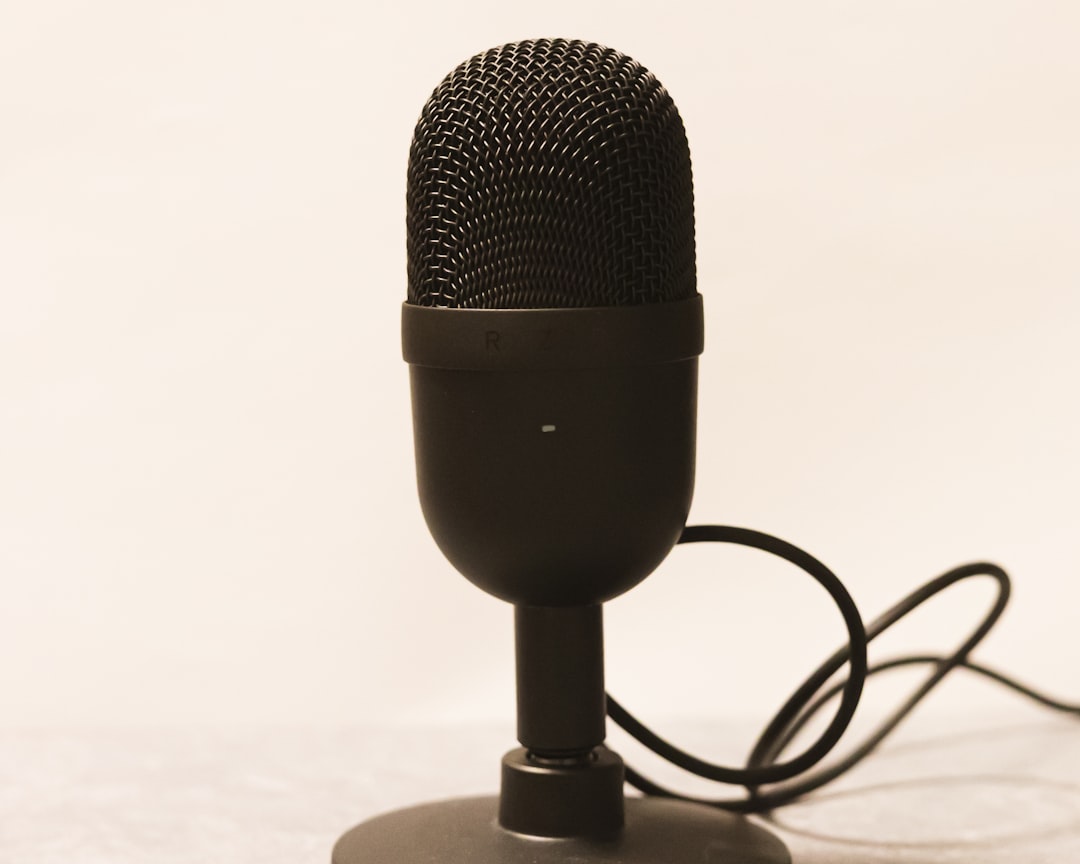
So, let’s talk microphones. Because this is where many folks trip up. You might be tempted to splurge on a fancy mic, but here’s the thing: a $100 mic with good technique will sound better than a $1000 mic used poorly. I’ve found that USB microphones are a perfect starting point. They’re plug-and-play, meaning there’s no need for an audio interface or extra cables. The Audio-Technica ATR2100x is a solid choice. It’s versatile and durable, and it won’t break the bank. But does this mean you’ll never need to upgrade? Not necessarily. As your podcast grows, you might find yourself wanting more. And that’s okay too.
Consider the story of Joe Rogan, one of the most successful podcasters out there. He started with a simple setup, using a USB microphone for his initial episodes. Over time, as his podcast grew, so did his equipment. Today, he uses top-of-the-line gear, but it was his engaging content that got him there, not the microphones he used.
Editing: Less is More
With editing, I’ve noticed that less is often more. I’ll let you in on a little secret: most listeners aren’t expecting a flawless production. They’re there for the content, your insights, your voice. So don’t stress about cutting every “um” or “uh.” That said, you’ll still want to clean up your audio a bit. Audacity is a free editing tool that’s simple to use and surprisingly powerful. For those willing to invest a bit more, Adobe Audition offers more advanced features. But remember, the best editing tool is the one that you’re comfortable using. So, experiment and find what works for you.
Take “My Favorite Murder,” a podcast known for its conversational tone and authenticity. The hosts, Karen Kilgariff and Georgia Hardstark, embrace imperfections, allowing their personalities to shine through. They use basic editing to ensure clarity, but they don’t overdo it. This approach has helped them build a loyal fan base who appreciate the genuine feel of their episodes.
The Part Nobody Mentions
Ah, the dreaded hosting. Here’s something people often overlook: where your podcast lives on the internet is just as important as how it sounds. I’ve learned this the hard way. Picking the right hosting platform can save you loads of headaches down the line. Libsyn and Podbean are popular choices because they offer reliable hosting and easy distribution. They get your podcast onto platforms like Spotify and Apple Podcasts with just a few clicks. But here’s a nugget of wisdom: make sure you pick a host that allows for easy growth. You don’t want to be stuck when your podcast takes off, right?
For instance, “Serial,” the podcast that arguably launched the true crime genre into the mainstream, chose a hosting platform that could handle massive traffic spikes. This decision paid off when the show went viral, demonstrating the importance of planning for success.
What Actually Works for Recording
Okay, let’s get into recording. You might think a quiet room is all you need, but there’s more to it. I once tried recording in an empty room, and it sounded like I was podcasting from inside a tin can. Not ideal. You’ll want a space with soft furnishings — rugs, curtains, maybe even some strategically placed pillows. These help absorb sound and reduce echo. If you’re recording on your computer, software like GarageBand or Audacity can be your best friends. They’re intuitive and have all the basics you need to get started. And if you’re on the go, consider apps like Anchor or Spreaker. They’re perfect for recording directly from your phone.
Consider “Welcome to Night Vale,” a podcast that creates an immersive audio experience through clever sound design. The creators use simple home setups, strategically arranging furniture and using available resources to enhance sound quality. Their example shows that you don’t need a professional studio to achieve great results.
The Power of Good Music
Ever notice how some podcasts have that perfect intro music that just sets the tone? Music can make a huge difference in how your podcast feels. I’ve spent hours browsing music libraries, and let me tell you, it’s worth it. Sites like Epidemic Sound or PremiumBeat offer a wide range of tracks that can fit any vibe you’re going for. Just remember to keep it legal — always get the proper licenses for any music you use. And if you’re musically inclined, why not create your own? It adds a personal touch that listeners will appreciate.
Take “Song Exploder,” a podcast that dissects songs to reveal how they were created. Host Hrishikesh Hirway crafts each episode with carefully chosen music, setting the stage for deep dives into each track. His meticulous attention to music selection enhances the listening experience, proving that the right soundtrack can elevate a podcast.
The Final Touch: Promotion
Here’s a step that often gets overlooked until it’s too late: promotion. You might have produced a top-notch podcast, but if no one knows about it, what’s the point? Social media is a powerful tool for reaching new listeners. In my experience, Twitter and Instagram are fantastic for engaging with audiences. But don’t just post links to your episodes. Share behind-the-scenes content, ask for listener feedback, and be part of the conversation. Engaging with your audience builds a community around your podcast. And isn’t that what we’re all aiming for?
Look at “Call Her Daddy,” a podcast that exploded in popularity thanks to savvy social media marketing. Hosts Alex Cooper and Sofia Franklyn actively engaged with fans, using Instagram to create a vibrant community. Their success underscores the importance of connecting with listeners beyond the episodes themselves.
But Does This Always Work? Not Exactly…
Now, I’d love to say that following these tips guarantees success, but that’s not how it works. Podcasting is a journey — a mixture of creativity, learning, and yes, a bit of trial and error. What works for one person might not work for another. And that’s okay. The key is to start. Use the tools you have, keep experimenting, and don’t be afraid to make mistakes. Each episode you produce will teach you something new.
Consider the evolution of “The Joe Budden Podcast.” Initially, it faced challenges with format and content, but through continuous experimentation and feedback, it found a winning formula. This journey demonstrates that persistence and adaptability are crucial components of podcasting success.
The Real Insight
So, what’s the takeaway here? Podcasting doesn’t have to be complicated. With the right tools and a bit of patience, you can create something truly special. Remember, it’s not about having the best equipment or the most polished sound. It’s about your voice, your stories, and your connection with your audience. So get out there, start recording, and have fun with it. Because Ultimately, that’s what podcasting is all about.