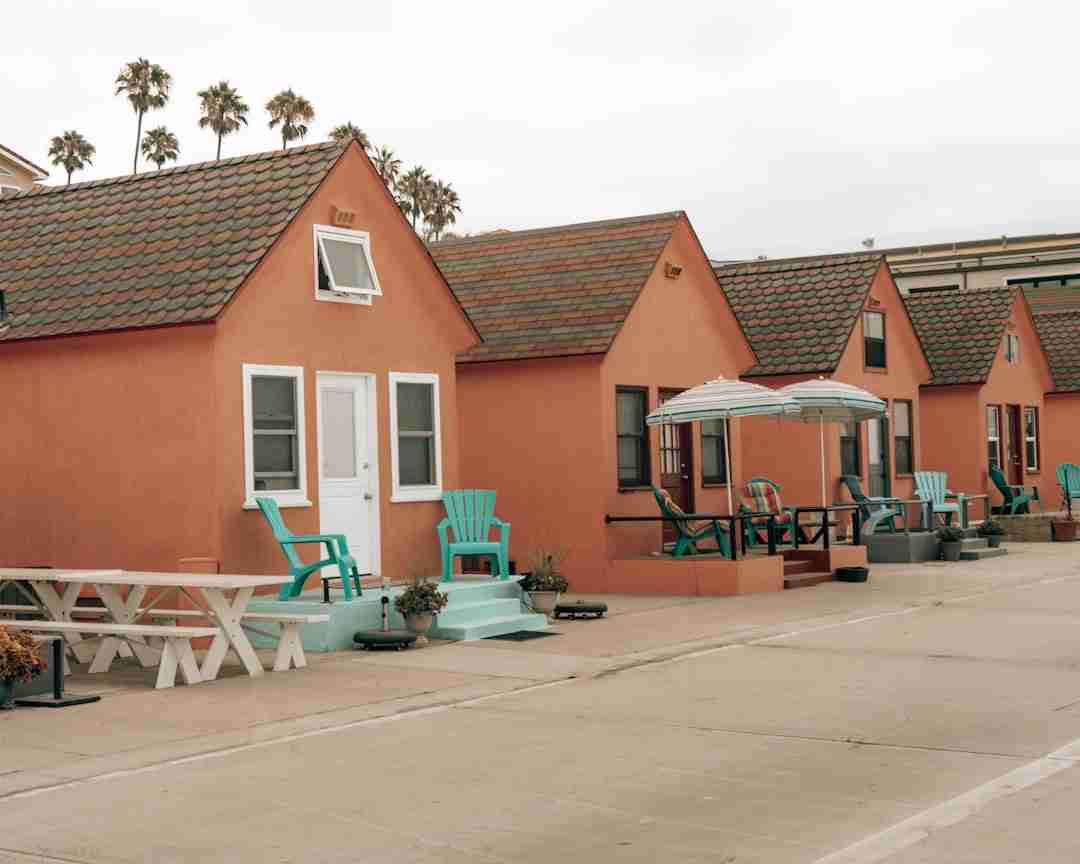
Considering a move to a small town? You're not alone. Many are drawn by the promise of a slower pace, but there's another compelling reason to consider small-town living: it can significantly stretch your dollar. Imagine cutting your living expenses by a third or even half. That's not just a dream for many who make the shift—it's a reality. Here's how living in a small town could be the budget boost you've been looking for.
Housing Costs: $100,000 Homes and Beyond
In large cities, housing costs can drain your wallet faster than anything else. But in small towns, the scenario is much different. Consider this: while the median home price in a major metropolitan area can easily exceed $400,000, many small towns offer homes for well under $200,000. For instance, some towns in the Midwest offer charming three-bedroom homes for around $100,000. Lower housing costs mean you could pay off a mortgage more quickly or rent for a fraction of city prices.
But there's more. Lower housing costs also translate into reduced property taxes. The average property tax rate in small towns is often considerably lower than in urban centers, meaning annual savings that can be redirected toward savings or other financial goals. In addition, the lower cost of homes allows for more discretionary spending or investment in personal interests, enhancing your quality of life.
Utilities and Services: A 20% Reduction
Utilities might not be the first thing that comes to mind when considering cost of living, but they can add up. In smaller towns, these costs are generally lower. For example, heating and cooling bills often decrease because homes in these areas are typically newer and more energy-efficient. Local governments sometimes offer incentives for energy-saving upgrades, like tax credits for installing solar panels or energy-efficient appliances, which can further reduce monthly bills.
Services like trash collection and water are also less expensive. Small towns often negotiate better rates for their residents or subsidize these services through local taxes. On average, individuals can expect to save around 20% on utilities and services compared to city living. These savings can be substantial over time, allowing for greater financial flexibility.
Groceries and Dining: Local Produce and Less Overhead
Grocery bills are another area where you might see savings. With access to local farms and food markets, small towns often have fresher, cheaper produce than what’s found in big-city supermarkets. Farmers' markets abound, offering seasonal produce at competitive prices, and community-supported agriculture (CSA) programs are a popular way to save on fresh goods. By participating in a CSA, you can receive a regular supply of fresh produce, often at a lower cost than retail prices.
Dining out is also typically more affordable. Restaurants in small towns don't deal with the high rent and overhead costs that city establishments face, resulting in lower prices for diners. Plus, the hospitality often extends beyond the plate, with locals providing friendly service that makes dining out a pleasure rather than a stress on one's wallet. You might also find unique local cuisines or specialty dishes that are both affordable and delightful.
Transportation Savings: Cut Costs by 50% or More
Transportation is another area where small-town living shines. In a city, commuting costs can be significant, whether it's fuel, public transit, or vehicle maintenance. In contrast, small-town residents often enjoy shorter commutes, which means less spent on gas and less wear and tear on vehicles.
Public transportation, where available, is usually more affordable and less crowded. Car insurance premiums are also typically lower in small towns due to reduced traffic and accident rates. Many find that their overall transportation expenses can be halved simply by relocating. Additionally, the slower pace of life often means less stress related to travel, contributing to an improved overall well-being.
Healthcare: Quality Care without the High Cost
Healthcare costs can be a significant concern, but small towns often offer quality care at a fraction of the cost. Local clinics and hospitals provide essential services, often with shorter wait times and more personalized care. The cost of routine visits and procedures can be significantly lower because of these efficiencies.
Many small towns are part of larger healthcare networks, ensuring access to specialists when needed. Telemedicine has also become more prevalent, allowing residents to consult with specialists without traveling long distances, saving both time and money. It's important to explore local healthcare options and understand what services are available, ensuring that your healthcare needs are met effectively and affordably.
Education Expenses: Affordable Quality Education
For families, education is a crucial consideration. Small towns frequently boast quality public schools with dedicated teachers and smaller class sizes. This attention to individual students can enhance educational outcomes without the high costs associated with private schooling in urban areas.
Many small towns have community colleges offering affordable tuition rates. These institutions provide local students with the opportunity to pursue higher education without incurring significant debt. Scholarships and grants are also more accessible due to smaller applicant pools. Engaging with local education officials and exploring available programs can provide insights into the best educational opportunities for your family.
Entertainment and Recreation: Free and Low-Cost Options
Entertainment in small towns doesn't lack variety or enjoyment and often comes at a fraction of the cost. Local festivals, community events, and outdoor activities provide plenty of free or low-cost entertainment options. Parks, hiking trails, and lakes offer opportunities for recreation that don't require hefty membership fees or admission charges.
Community centers often host activities ranging from art classes to sports leagues, all at minimal cost. The focus on community in small towns means there's always something happening, and it's usually designed to be inclusive and accessible to all residents. Engaging with these activities can lead to a rich social life and a deeper connection to your community.
Building Wealth: Investing in Community and Savings
The financial benefits of small-town living extend beyond immediate savings. With lower living costs, there's an opportunity to invest more in retirement funds, savings accounts, or even local businesses. Many find they can build wealth more effectively in a small town due to the reduced financial pressures.
Investing in the community itself can also yield returns. Supporting local businesses helps the economy thrive, which in turn can increase property values and improve local services. This symbiotic relationship benefits everyone involved, fostering a sense of belonging and mutual prosperity. Taking the time to engage with local economic initiatives can enhance both personal and community financial health.
Practical Steps to Transition
If small-town living sounds appealing, there are practical steps you can take to make the transition smooth. Start by researching potential towns that align with your lifestyle and budget. Websites like City-Data provide demographic and economic information to help narrow down choices.
Visit potential towns to get a feel for the community and amenities. Speak with locals to understand the true cost of living and any hidden expenses. Consider renting before buying to ensure the town meets your expectations. It's also wise to assess local employment opportunities or the feasibility of remote work to ensure a stable income.
Explore remote work opportunities, as they can facilitate a move without sacrificing career goals. Platforms like Remote.co list jobs that can be done from anywhere, including small towns. Establishing a remote work setup can provide the flexibility needed to make a successful transition.
Conclusion: Your Financial Future Awaits
Embracing small-town living is more than a change of scenery—it's a strategic financial decision that can enhance quality of life. By reducing expenses across housing, utilities, transportation, and more, many discover they can save significantly while enjoying a relaxed pace and strong community ties.
Making the move requires careful planning and consideration, but the potential rewards are substantial. Start exploring your options today and take the first step toward a financially brighter future.


