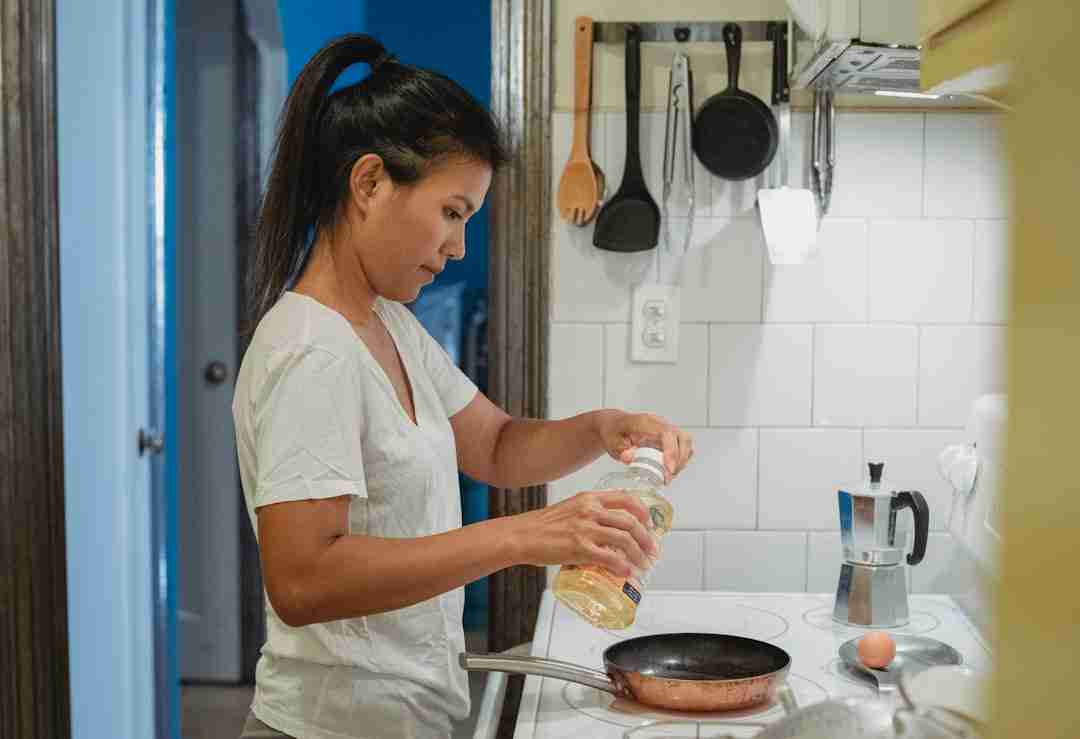
In a world where dining out feels like a luxury and grocery prices seem to climb faster than a morning commute, many are discovering the surprising benefits of cooking for one. By embracing the joy of dining small, individuals can not only savor meals tailored precisely to their tastes but also significantly reduce daily costs. Consider this: the average American spends approximately $3,000 a year on dining out. Imagine the savings potential if those meals were instead crafted in the comfort of one's kitchen.
The Financial Breakdown: How Much Can You Really Save?
Cooking at home can drastically cut food expenses. According to the Bureau of Labor Statistics, the average annual spending on food away from home in 2021 was around $3,500. Compare this to the cost of cooking at home, which typically ranges from $1,500 to $2,000 annually, depending on dietary preferences and regional grocery prices. This translates to a potential savings of up to $2,000 each year.
But it's not just about raw savings. Cooking at home allows for the purchase of groceries in bulk, especially non-perishables, which often come at a reduced price per unit. For example, buying a large bag of rice or pasta can cost less per serving than purchasing individual microwavable meals. Leftovers become an asset rather than a burden, providing meals for the next day or ingredients for a new dish. For instance, a simple Sunday roast can extend into meals for several days, transforming from a traditional dinner to sandwiches or salads.
Mastering Meal Planning: The Key to Efficient Solo Cooking
Meal planning is a game-changer for those cooking for one. By organizing meals for the week, individuals can minimize food waste, optimize grocery shopping, and ensure they always have something delicious ready to eat. Here's how to effectively plan meals for one:
- Inventory Check: Before hitting the grocery store, check what ingredients are already in stock. This avoids duplicate purchases and encourages the use of existing supplies.
- Weekly Menus: Plan meals that share ingredients to maximize usage. For example, a batch of roasted vegetables can serve as a side dish one day and be transformed into a hearty soup the next.
- Smart Shopping: Stick to the shopping list to avoid impulse buys, which often lead to unnecessary expenses.
For those seeking digital assistance, apps like Mealime and Paprika Recipe Manager offer robust meal planning features that can streamline the process. These apps also often provide recipe suggestions based on the ingredients you have, making it easier to decide what to cook next.
Batch Cooking: Saving Time and Money
Batch cooking is another effective strategy for saving both time and money. By preparing larger quantities of meals at once, individuals can store portions for future consumption, reducing the temptation to order takeout after a long day. Start by choosing recipes that freeze well, such as stews, casseroles, and pasta sauces. These can be divided into individual servings and stored in airtight containers.
Batch cooking allows for the purchase of ingredients in larger quantities, often at a lower cost per unit. For instance, buying a family-sized pack of chicken can be more economical than purchasing single portions. When stored correctly, these bulk items can last weeks, if not months, providing a steady supply of meal components. Consider investing in quality freezer bags or containers to extend the life of stored meals, ensuring they taste fresh when reheated.
Embracing Versatility: Transform Leftovers Into New Meals
One of the joys of cooking for one is the opportunity to be creative with leftovers. Rather than viewing them as yesterday's meal, think of leftovers as ingredients for today's culinary masterpiece. A few examples include:
- Roasted Chicken: Use leftovers for sandwiches, salads, or a comforting chicken soup.
- Cooked Grains: Transform them into fried rice or a grain salad by adding fresh vegetables and a flavorful dressing.
- Vegetable Medley: Toss with pasta or blend into a creamy soup.
By approaching leftovers with a creative mindset, they become a valuable resource rather than a chore. This approach not only reduces food waste but also keeps meals exciting and varied. Consider keeping a list of versatile base recipes that can easily adapt to whatever leftovers might be on hand, such as omelets, stir-fries, and wraps.
Tools of the Trade: Essential Kitchen Gadgets for Solo Chefs
Investing in the right kitchen tools can make solo cooking easier and more enjoyable. Consider these essentials:
- Instant Pot: This versatile gadget can pressure cook, slow cook, sauté, and more, making it perfect for preparing a variety of meals with minimal effort.
- Immersion Blender: Ideal for pureeing soups and making smoothies directly in the pot or glass, saving on cleanup.
- Digital Kitchen Scale: Precisely measure ingredients to ensure recipes turn out perfectly every time.
Each of these tools offers unique benefits that streamline the cooking process, making it easier to prepare delicious meals efficiently. For more on kitchen gadgets, resources like Wirecutter provide trusted reviews and recommendations. It's worth considering other convenient tools like a slow cooker for effortless meal preparation or a mini food processor for quick chopping tasks.
Shopping Smart: Where and How to Find Deals
Finding the best deals on groceries can significantly lower food costs. Consider shopping at local farmers' markets for fresh produce, which often comes at a lower price and supports local agriculture. Additionally, many grocery stores offer loyalty programs providing discounts and rewards for frequent shoppers.
Online grocery services such as Instacart and Amazon Fresh can also be useful, often providing exclusive online discounts and allowing for price comparisons without the physical store hassle. Try setting price alerts on these platforms to get notified about discounts on your favorite items.
Coupons remain a timeless method for saving money. Websites like Coupons.com offer printable and digital coupons for a wide range of products. Combining these with store sales can lead to substantial savings. Remember to check the store's policy on doubling coupons, which can maximize savings.
The Environmental Impact: Reducing Waste by Cooking for One
Cooking for one doesn't just benefit the wallet; it's also kinder to the planet. By preparing meals at home, individuals have greater control over portion sizes, reducing the likelihood of food waste. In the U.S., approximately 30-40% of the food supply is wasted, much of which comes from households.
Smaller-scale cooking also means less packaging waste, as bulk purchases typically use less packaging than individual meal kits or takeout containers. Home cooking often involves fewer processed foods, which require energy-intensive production processes.
The environmental benefits of cooking for one extend beyond food waste. By reducing reliance on takeout and delivery services, there's also a reduction in carbon emissions associated with food transport. Consider composting kitchen scraps to further minimize waste and contribute to a more sustainable lifestyle.
Try It Today: Simple Steps to Start Cooking for One
There's no time like the present to embrace the joys of cooking for one. Start by choosing a simple recipe that excites the taste buds and aligns with dietary preferences. Perhaps a comforting vegetable stir-fry or a hearty lentil soup. Then, plan a week's worth of meals, incorporating ingredients that can be used across multiple dishes.
Invest in a few essential kitchen tools that will make the cooking process smoother and more enjoyable. And don't forget to explore local markets or online resources to find the best deals on groceries.
By making these small changes, individuals can enjoy the dual benefits of significant cost savings and the satisfaction of crafting their meals. Cooking for one isn't just a necessity; it's an opportunity to explore new flavors and develop a rewarding, sustainable habit. Start today, and discover the joy and savings that come with dining small.


