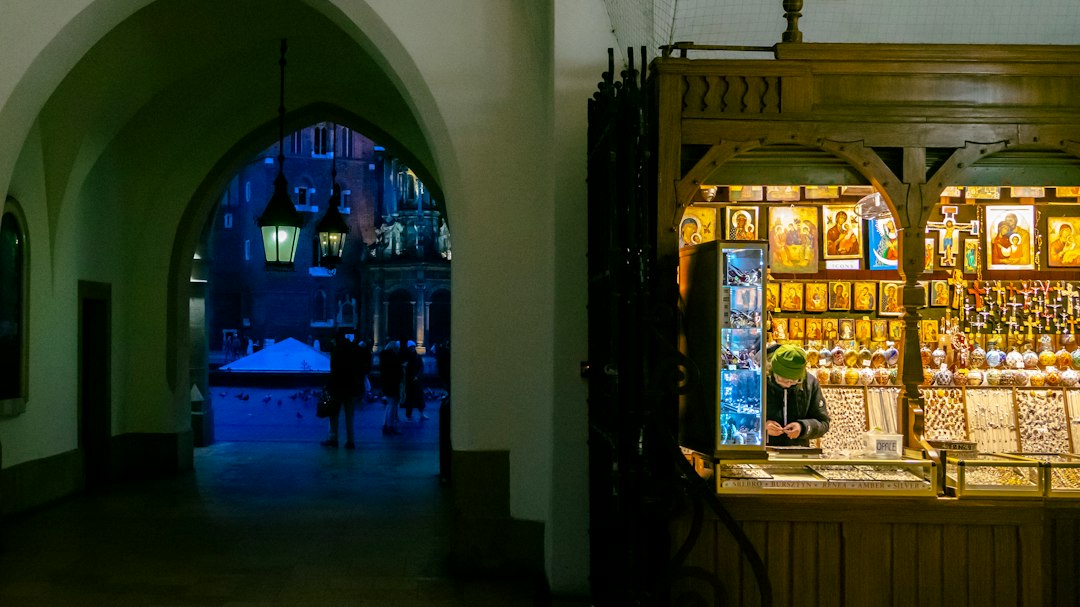
Imagine you’ve just landed in a place where the language feels like a beautiful but indecipherable song, the food is a symphony of flavors you’ve never tasted, and the streets are alive with unfamiliar sounds and scents. Exciting, right? But also, kinda terrifying. This is what building a life in a foreign country can feel like. It’s a mix of adventure and anxiety, full of unexpected joys and challenges. And here’s the kicker: whether it turns out to be the best decision of your life or a regrettable misstep often depends on how you navigate the pros and cons.
The Thrill of the Unknown
Let’s start with the good stuff. There’s something intoxicating about the idea of starting fresh in a new place. You’re no longer bound by the same routines or expectations. In my experience, moving abroad can feel like pressing a reset button on life. You get to reinvent yourself, explore different sides of your personality, and try out new ways of living. And the freedom? Oh, it’s exhilarating.
But here’s the thing: this thrill comes with a catch. The novelty that first excites you can quickly become overwhelming. That language you were so eager to learn might sound like gibberish when you’re trying to buy groceries. The cultural norms you thought were charming might start to feel oppressive. The thrill of the unknown can easily turn into the dread of the unfamiliar.
Take Sarah, for instance, who moved from the bustling streets of New York to the serene landscapes of Kyoto. Initially, she was mesmerized by the cultural richness and the tranquility of Japanese gardens. But soon, the reality of navigating daily life without fluent Japanese started to weigh on her. Ordering food became a game of charades, and she found herself longing for the ease of her hometown.
Why Most People Get This Wrong
A lot of folks jump into life abroad with rose-tinted glasses, expecting it to be an endless vacation. Spoiler: it’s not. Living in a foreign country isn’t the same as being a tourist. You’re not just passing through; you’re setting roots. This means dealing with bureaucracy, navigating a foreign healthcare system, and trying to understand tax laws that make your head spin.
And then there’s the social aspect. Making friends in a new country can be tough. You’re suddenly the outsider who doesn’t know the local jokes or the unspoken rules. It can be lonely. But does this mean you shouldn’t try? Not at all. It just means you need to prepare for the reality, not the fantasy.
Consider Tom, who relocated to Berlin for a job opportunity. While he loved the city’s vibrant culture and history, he underestimated the challenge of integrating into the local community. Despite his efforts, he found it hard to break into social circles, often feeling like an outsider at gatherings. It wasn’t until he joined an English-speaking sports club that he started forming meaningful friendships, realizing that sometimes, you need to find your niche first.
The Part Nobody Mentions
Now, let’s talk about something people often gloss over: the emotional toll. Building a life in a foreign country can strain your mental health in ways you might not anticipate. Culture shock is real, and it’s not just about missing your favorite comfort foods or TV shows. It’s the constant feeling of being “other,” the exhaustion of navigating daily tasks in a new language, the homesickness that creeps in during quiet moments.
But here’s what I’ve noticed: facing these challenges can also foster incredible resilience. You become adaptable, learning to pivot and problem-solve like a pro. The struggles can lead to profound personal growth. So while the emotional toll is significant, it can also be transformative.
Emma, who moved to Buenos Aires for love, found herself struggling with homesickness and the pressure to assimilate. However, over time, she noticed a transformation in herself. She became more independent, learned to appreciate solitude, and discovered a passion for tango dancing, which became her emotional outlet and a bridge to connecting with locals.
What Actually Works
So, how do you navigate these ups and downs? Well, building a support system is crucial. Find a community, whether it’s locals who can introduce you to the culture or fellow expats who understand your struggles. Joining clubs, taking classes, or volunteering can be great ways to meet people and integrate into your new environment.
Another tip: learn the language. Even if you butcher it at first (and you will), making the effort goes a long way. People appreciate it, and it opens up so many more opportunities for connection.
And don’t forget to stay connected to your roots. Keep in touch with friends and family back home. Having that lifeline can make the difference between feeling isolated and feeling supported.
James, who moved to Paris for work, initially felt overwhelmed by the language barrier. Determined to succeed, he enrolled in intensive French classes and started attending language exchange meetups. Not only did his language skills improve, but he also made lifelong friends who helped him navigate the intricacies of French culture.
The Reality of Being an Expat
Here’s a sobering thought: you might never fully “fit in.” No matter how long you live in a foreign country, there will always be nuances and intricacies of the culture that elude you. But maybe that’s not such a bad thing. Being an outsider gives you a unique perspective. You can appreciate the culture without being fully immersed in its complexities.
But this outsider status can also be frustrating. You might encounter stereotypes or prejudices that make you feel unwelcome. It’s important to remember that every culture has its flaws, just as your home country does. The key is to remain open-minded and curious, willing to learn and grow from the experience.
Rachel, who spent a decade in South Korea, learned this lesson well. Despite her fluency in the language and deep understanding of cultural norms, she occasionally faced prejudice as a foreigner. However, she chose to see it as an opportunity to educate and build bridges, sharing her experiences and learning from others in return.
The Delicate Balance
Living abroad is a constant balancing act between holding onto your identity and embracing a new culture. It’s about picking up new habits while cherishing old ones. I’ve found that the longer you stay, the more you become a blend of both worlds. You start to see things from multiple perspectives, which is a gift in itself.
But maintaining this balance can be tricky. You don’t want to lose touch with who you’re, but you also don’t want to miss out on the richness of your new surroundings. It’s a dance, and sometimes you’ll stumble. That’s okay. The key is to keep moving, keep learning.
Michael, who moved from Canada to India, beautifully embodies this balance. He embraced local customs and festivals while continuing to celebrate Canadian holidays with his new friends. This blend of cultures enriched his life, allowing him to appreciate the diversity and commonalities between the two worlds.
Is It Worth It?
So, after all this, you might be wondering: is building a life in a foreign country worth the hassle? Honestly, it depends. If you’re seeking growth, adventure, and a deeper understanding of the world, then yes, it can be incredibly rewarding. But if you’re not prepared for the challenges, it can be a tough road.
In my experience, the pros often outweigh the cons, but it’s not always straightforward. It requires patience, resilience, and a willingness to adapt. It’s a journey of self-discovery as much as it’s a geographical relocation.
Ultimately, whether you thrive or just survive in a foreign country hinges on your mindset and your ability to embrace both the beauty and the chaos of this new chapter. If you can do that, then you’ll find that the world is a much more vibrant, diverse, and fascinating place than you ever imagined.