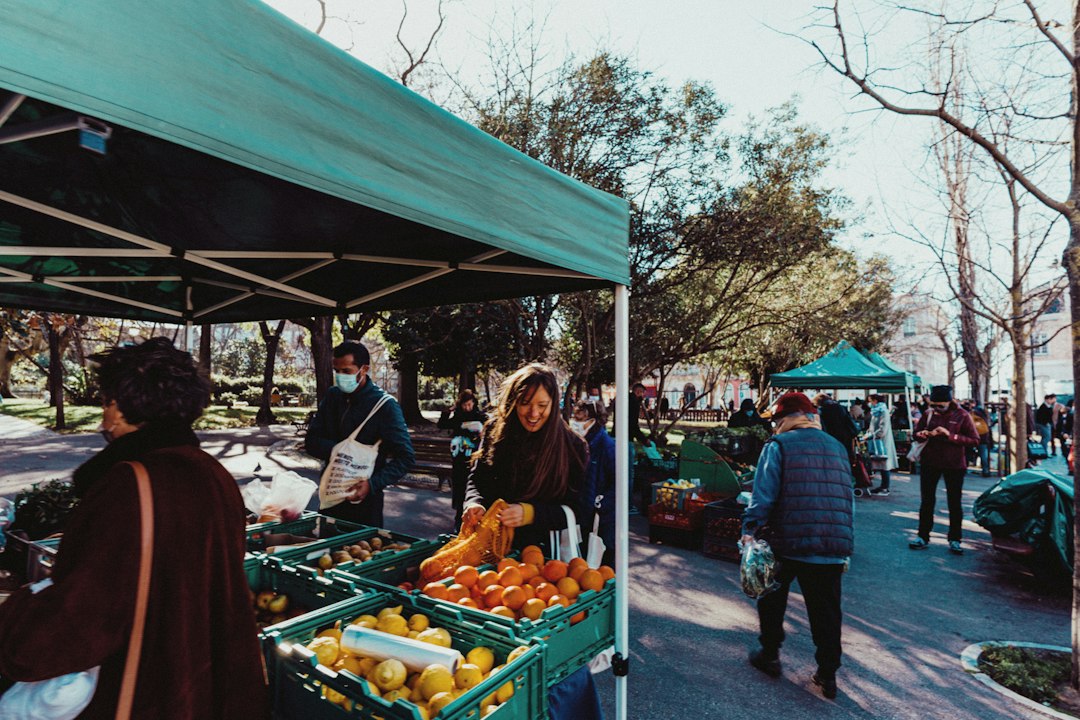
Imagine you're wandering through a bustling city, the smell of fresh produce in the air, the vibrant colors of handcrafted goods catching your eye. As a digital nomad, this isn't just a sensory delight; it's a strategic pit stop. Weekly markets are more than a cultural experience — they're a money-saving goldmine. While others might blow their budget on overpriced supermarkets, you can live like a local, stretching your dollars by capitalizing on these markets. Let's explore how you can optimize your cost of living by tapping into this resource.
Weekly Market Savings: Fresh Produce at Half the Price
When living in various cities, buying fresh produce from weekly markets can slash your grocery bill significantly. For example, in Barcelona, a visit to the Mercat de Sant Josep de la Boqueria might reveal strawberries priced at €1.50 per kilo, compared to €3 in a conventional supermarket. Not only are you getting a better deal, but the quality and freshness are often superior. Local farmers bring their produce directly to the market, ensuring that fruits and vegetables are picked at peak ripeness, offering unrivaled taste and nutritional value.
To maximize savings, try shopping close to closing time. Vendors are keen to offload their stock and may offer discounts on remaining items. This strategy can lead to savings of up to 50% on some goods. Always bring your own reusable bags to avoid additional charges and show your commitment to sustainable living. By doing so, you'll also reduce your environmental footprint, a crucial consideration for the eco-conscious traveler.
Local Delicacies: Savor the Taste Without Breaking the Bank
Markets often feature stalls selling local delicacies at a fraction of the cost you'd pay in restaurants. Picture yourself in Bangkok’s Chatuchak Weekend Market, savoring a bowl of tom yum goong for about 50 THB ($1.50) instead of paying upwards of 150 THB ($4.50) in a tourist hotspot. By engaging directly with the food vendors, you can also learn about the ingredients and preparation methods, gaining insight into the culinary traditions of the area.
The key is to observe where locals line up. A long queue often signals good food at a fair price. Be adventurous and try a variety of dishes to fully immerse yourself in the local culture. This not only enriches your travel experience but also keeps your food expenses low. Consider creating a food diary or blog to document your culinary adventures, providing a personal historical record and inspiration for future meals.
Handmade Goods: Quality Souvenirs Without the Tourist Markup
Weekly markets are treasure troves for unique, handmade goods, often at prices that beat tourist shops. In Marrakech, the souks offer everything from leather goods to intricate jewelry. A leather wallet that might set you back $50 in a boutique could be found for $15 at the market. Purchasing such items directly from artisans not only supports local craftspeople but also ensures that you are acquiring authentic, often one-of-a-kind pieces.
Haggling is part of the experience in many markets. Start by offering half of the asking price and negotiate from there. This tactic can lead to significant savings, and sellers often expect it, so don’t shy away from engaging in a friendly negotiation. To enhance your bargaining power, learn a few phrases in the local language — this can endear you to sellers and make the negotiation process smoother and more enjoyable.
Budget-Friendly Meal Prep with Market Finds
Cooking your meals is one of the best ways to save money while traveling. With fresh ingredients from local markets, you can prepare delicious and budget-friendly meals. In Rome, for instance, you can buy pasta, tomatoes, and basil at Mercato Testaccio for under €5, enough to cook several meals. Consider expanding your culinary repertoire by experimenting with local spices and cooking techniques, which can turn a simple dish into a gourmet experience.
Invest in a portable cooking setup if your accommodation lacks kitchen facilities. A small electric burner and a pot can go a long way. Not only does this save money, but it also allows you to maintain a healthier diet by controlling what goes into your meals. You might even consider hosting a potluck with fellow travelers, sharing the diverse flavors and dishes you've created from market finds.
Seasonal Shopping: Timing Your Visits for Maximum Savings
Timing is everything. Markets change with the seasons, offering different produce and goods throughout the year. In Tokyo, shopping in spring means an abundance of fresh sakura-themed treats, while autumn brings matsutake mushrooms. By understanding the seasonal cycles of the region, you can plan your purchases to coincide with peak harvest times, ensuring the best prices and the freshest produce.
Plan your market visits based on seasonal availability to get the best prices and freshest goods. Seasonal shopping not only supports local farmers but can also lead to discovering new foods that aren't available year-round. This approach encourages a deeper appreciation of the natural rhythms of agricultural production and promotes sustainable consumption practices.
Apps and Tools: Navigating Markets with Technology
Technology is your friend when it comes to navigating and maximizing your market visits. Apps like Google Maps can help you locate nearby markets quickly. Meanwhile, XE Currency ensures you’re getting the best exchange rates when shopping internationally. These tools can be indispensable in unfamiliar locations, providing real-time information and reducing the stress of navigating new environments.
Some cities have specific apps that list weekly market schedules and locations. For example, London Markets provides information on various markets across the city, helping you plan your day efficiently. Using these tools can save you time and help you find the best deals. Additionally, consider downloading language translation apps to facilitate communication with vendors and enhance your shopping experience.
Strategic Planning: Aligning Market Visits with Your Travel Schedule
Integrating market visits into your travel schedule can optimize your experience and budget. For instance, plan your market visit on the day you arrive in a new city to stock up on essentials. This approach saves you from last-minute, often costly, supermarket runs. By establishing a routine that includes regular market visits, you can ensure a steady supply of fresh produce and other essentials, making your stay more comfortable and home-like.
If you're staying for a week or longer, align your schedule with market days. This regularity ensures you always have fresh produce and can continually discover new items. It also provides a routine that can make extended stays feel more like home. Consistency in market visits can lead to relationships with vendors, who may offer you insider tips on the best buys or special deals.
Embracing Local Culture: More Than Just Saving Money
While saving money is paramount, engaging with weekly markets offers a cultural immersion that's invaluable. These markets are where locals gather, providing an authentic glimpse into daily life. You might find yourself chatting with a vendor about the best way to prepare a local dish or learning about the history of a particular craft. Such interactions can lead to friendships and a deeper understanding of the community, enriching your travel experience beyond the monetary savings.
This interaction enriches your travel experience, offering stories and memories that outlast any material purchase. It's a reminder that the true value of market visits isn't just in the money saved, but in the connections made and cultures experienced. Consider joining local market tours or workshops, which can offer guided insights into the history and significance of the market within the community.
Incorporating weekly markets into your cost of living strategy as a digital nomad isn't just smart; it's essential. Whether you're buying fresh produce, savoring local delicacies, or bargaining for handmade goods, these markets offer opportunities to save money and enrich your experience. By aligning your market visits with your travel schedule, using technology wisely, and embracing seasonal shopping, you not only cut costs but also enhance your journey. So, the next time you find yourself in a new city, take the time to explore its markets — your wallet and your senses will thank you.
Featured photo: [Photo by Remy Gieling on Unsplash](https://unsplash.com/@gieling?utm_source=bloggen_pro&utm_medium=referral).


