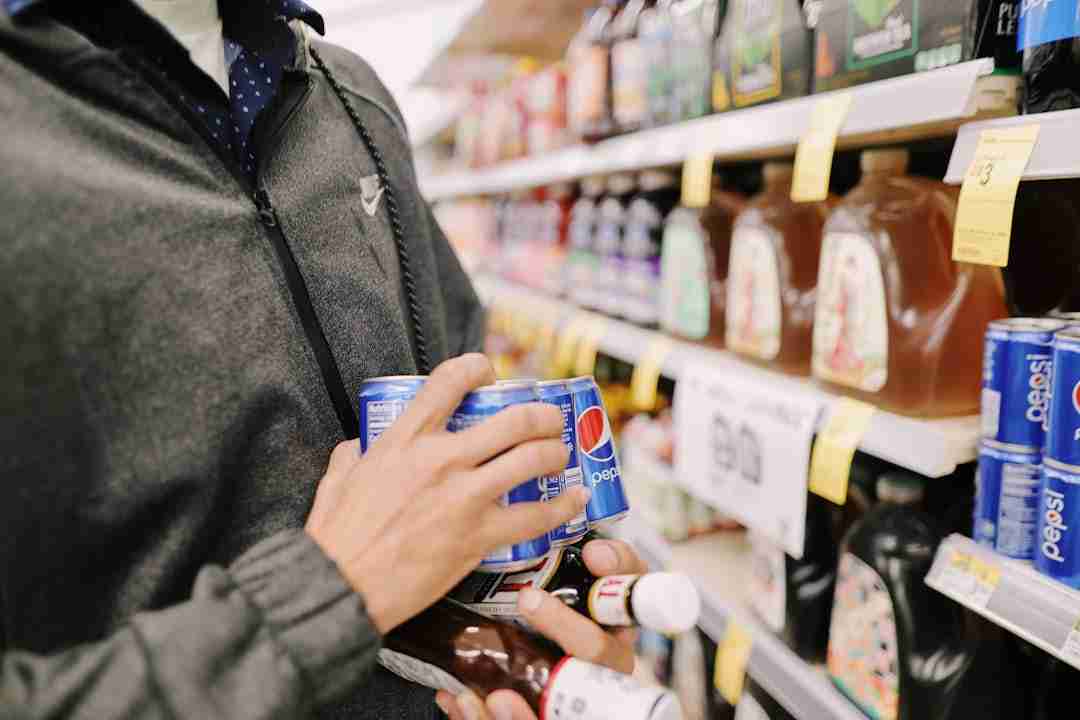
Imagine stepping into a grocery store abroad and being greeted with the familiar yet puzzling sight of aisles stocked with products that seem almost familiar but carry names and labels that are completely foreign. The scents, the packaging, the arrangement—everything feels like a puzzle waiting to be solved. Navigating grocery stores abroad can be an adventure filled with cultural quirks that both challenge and enrich the experience of living abroad. This isn't just about finding food; it's about understanding a new way of life, sometimes with the assistance of a trusty translation app.
Familiar Foods, Different Names: The Great Label Mystery
One of the first hurdles shoppers encounter is the language barrier. Even if one has a basic grasp of the local language, grocery store jargon can be bewildering. For instance, the British term "aubergine" might leave an American expat puzzled until they realize it’s simply an eggplant. Similarly, "courgette" is the British equivalent of zucchini.
Translation apps like Google Translate can be invaluable in such situations. Just snap a picture of the product label, and the app translates the text into a familiar language. However, professionals note that context is key, and these apps might not always get idiomatic expressions or regional slang right. It’s often a good idea to ask locals or fellow expats for advice on must-try items and to clarify any confusion.
It's also recommended to familiarize yourself with common culinary terms in the local language before shopping. Creating a small glossary of essential food-related words can be helpful. This preparation might include learning words for ingredients, cooking methods, and common allergens.
Local Produce Magic: Seasonal Surprises
One of the joys of grocery shopping abroad is discovering new fruits and vegetables. In Japan, for instance, shoppers may find themselves intrigued by a variety of mushrooms, each with unique flavors and textures not commonly found elsewhere. In contrast, tropical countries might offer an array of exotic fruits like rambutan or mangosteen, which can redefine one's palate.
Here's the thing: embracing local produce not only supports local farmers but also allows for a more sustainable and often cheaper shopping experience. Seasonal produce tends to be less expensive and fresher. Experts suggest familiarizing oneself with local markets as they offer the freshest produce and a chance to practice the local language in a practical setting. A little research or a chat with a local can reveal which fruits and vegetables are in season, leading to culinary adventures that extend beyond the grocery store.
To make the most of these opportunities, consider attending local food festivals or farmers' markets, which often showcase the best of seasonal produce. Engaging with vendors can provide insights into regional cooking techniques and recipes, further enriching your experience.
Payment Methods: Cash or Card?
Payment methods can vary widely between countries. While some places, like Sweden, are nearly cashless, others might still rely heavily on cash transactions. It's crucial to be prepared for both scenarios. In countries like Germany, smaller shops might not accept credit cards, so having cash on hand is advisable.
Setting up a local bank account can be a smart move for those staying long-term. It not only facilitates easier payments but also helps avoid foreign transaction fees. Services like Revolut offer international bank accounts with multi-currency options, making it easier to handle financial transactions across borders.
When traveling or moving to a new country, consider using contactless payment options where available, as these are often faster and more secure. It's also wise to carry a mix of payment methods, including a small amount of cash in the local currency, to avoid any inconvenience.
Packaging Differences: Size and Sustainability
Packaging can offer a glimpse into cultural values and priorities. In Italy, for example, pasta is often sold in smaller packages compared to the bulk sizes common in the United States. This reflects the Italian emphasis on fresh, frequently prepared meals.
Sustainability plays a significant role in packaging choices. Scandinavian countries, known for their commitment to environmental conservation, often use minimal and recyclable packaging. Bringing reusable bags is a common practice, and some stores even charge for plastic bags to encourage eco-friendly habits.
Incorporating these practices into one's routine not only respects local customs but also contributes to global sustainability efforts. It's a small change that can make a significant difference over time. Try to get into the habit of carrying cloth bags or collapsible totes that can easily fit into a backpack or purse, ensuring you're always prepared for a shopping trip.
Aisle Layouts: The Art of Organization
The organization of aisles can also vary dramatically. In some countries, the layout might feel chaotic, with seemingly unrelated items placed next to each other. For instance, in some Asian countries, you might find beauty products interspersed with snacks, a setup that can be confusing for the uninitiated.
Understanding the logic behind aisle organization can save time and frustration. Typically, fresh produce and perishable goods are near the entrance, while packaged and non-perishable items are towards the back. However, this isn't a universal rule. Observing and adapting to the local system can make shopping more efficient in the long run.
If you're struggling with the layout, don't hesitate to ask store employees for assistance or directions to specific items. They are usually more than willing to help and may offer additional tips on where to find specialty items or discounts.
Dietary Restrictions: Navigating Allergens and Preferences
For those with dietary restrictions, shopping abroad can present additional challenges. Labels might not clearly indicate allergens, and products suitable for specific diets like vegan or gluten-free might be scarce or labeled differently.
Research shows that many find joining local expat groups on social media platforms like Facebook or Meetup helpful. Members often share tips on where to find specialty products or how to read labels for allergens. Additionally, some apps specialize in scanning barcodes to detect allergens, providing an extra layer of safety when shopping.
Before traveling, it's advisable to learn key phrases related to your dietary needs in the local language. This can be particularly useful when dining out or when speaking with store staff. Consider carrying a card with these phrases printed in the local language to quickly communicate your needs.
The Checkout Process: Cultural Etiquette
The checkout process can be another cultural learning curve. In some countries, bagging one's groceries is expected, while in others, it's customary for the cashier to handle this task. Tipping might be expected in some places but frowned upon in others.
Understanding these subtle cultural differences can enhance the shopping experience and foster positive interactions with locals. A simple smile and a "thank you" in the local language can go a long way in creating a friendly rapport with cashiers and fellow shoppers alike.
In some cultures, it's considered polite to greet the cashier and make small talk, while in others, efficiency is prioritized and the transaction is kept brief and to the point. Observing local shoppers can provide cues on what is customary.
Discovering Local Delicacies: More Than Just Groceries
Grocery stores are often treasure troves of local delicacies. Whether it's trying a new type of cheese in France or a traditional snack in Thailand, these experiences can deepen one's appreciation for the local culture.
Engaging with store staff or other shoppers can yield recommendations for must-try items. Many find that sampling local delicacies is not only a treat for the taste buds but also a gateway to understanding regional culinary traditions.
Consider incorporating these discoveries into your regular diet to fully experience the local cuisine. Cooking classes or food tours can also provide valuable insights into how these delicacies are traditionally prepared and enjoyed.
Sampling Adventures: The Joy of Trying New Things
One of the hidden joys of grocery shopping abroad is the opportunity to sample new and unfamiliar products. Many stores offer free samples or have tasting stations where you can try before you buy. This is not only a chance to discover new flavors but also a way to engage with local employees and other shoppers who might offer insights and recommendations.
Sampling can be especially fun in countries with a rich culinary tradition, as grocery stores often carry items that are unique to the region. From exotic spices in India to artisanal chocolates in Belgium, the possibilities are endless. Be open to trying things that might seem unusual at first glance; they might become your new favorites.
Living abroad is an opportunity to learn and grow, with grocery shopping serving as a microcosm of the broader cultural experience. By embracing the quirks and challenges of shopping in a foreign country, one can enrich their life abroad in meaningful ways.
Even if some items are missed from back home, the newfound favorites discovered abroad can more than compensate. Exploring grocery stores with an open mind and a sense of adventure can transform this routine chore into a delightful cultural exploration.
In the end, it's about making connections—between cultures, with people, and through food. So, next time you find yourself in a foreign grocery store aisle, take a moment to savor the experience. You might just discover something new that will become a cherished part of your daily life abroad.