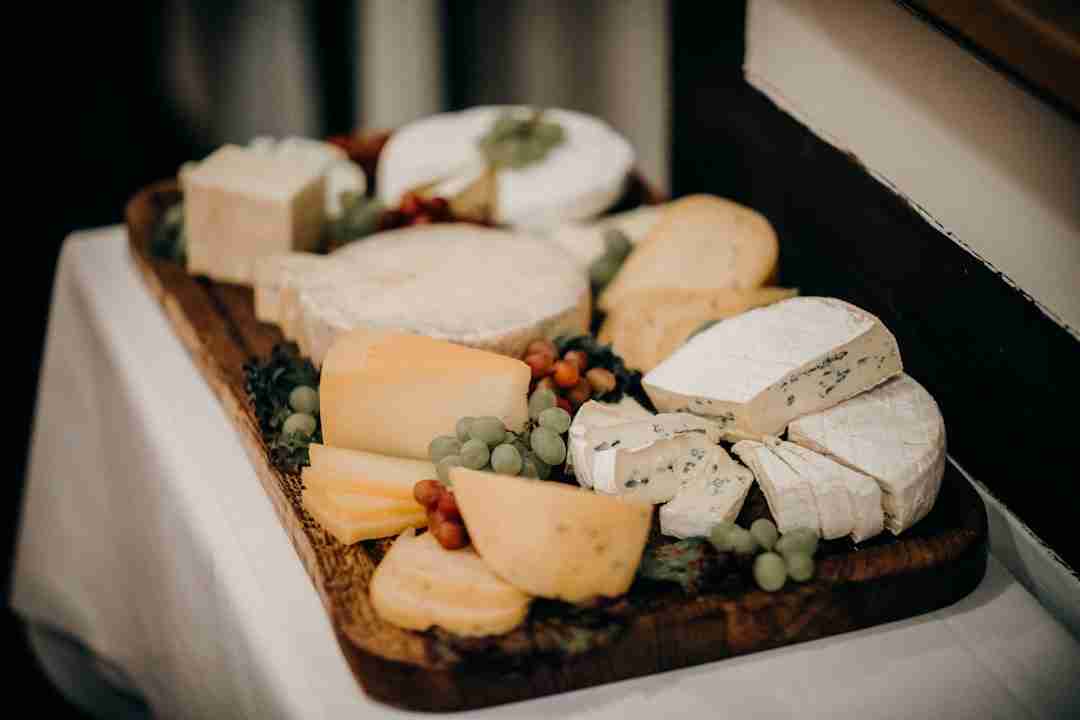
Imagine standing in the cheese aisle of a grocery store in a foreign country, surrounded by labels in a language you barely understand. The familiar varieties like cheddar and mozzarella are nowhere to be seen, replaced by an array of cheeses with names you can't pronounce. This common scenario can turn a simple grocery run into a daunting task. But navigating international cheese aisles doesn't have to be overwhelming. With a few strategies and insights, you can confidently find the real cheese that suits your taste and culinary needs.
Cheese Varieties: From Brie to Gouda and Beyond
Cheese is an essential part of many cultures, each offering unique varieties. France boasts over 1,000 types of cheese, while Italy is home to renowned options like Parmigiano-Reggiano. Understanding the local cheese landscape can greatly enhance your shopping experience abroad.
In France, for example, soft cheeses like Brie and Camembert are staples. These are often found in the refrigerated sections near the milk and butter. Italy, on the other hand, is known for harder cheeses like Pecorino and Grana Padano, which might be located near pasta and olives. By researching the local cheese culture before your trip, you can better anticipate what you'll find and where to look. Exploring local cheese festivals or talking to local cheese mongers can also provide insights into seasonal specialties and regional favorites.
Labels and Translations: Deciphering Foreign Cheese Packaging
One of the most challenging aspects of buying cheese abroad is understanding the labels. Most packaging includes terms that may not directly translate to English. Investing in a translation app can be a lifesaver. Apps like Google Translate allow you to scan text for immediate translation, helping you identify important details such as the type of milk used, age, and flavor profile.
Familiarizing yourself with common cheese-related vocabulary in the local language is beneficial. For example, knowing that "lait de vache" means cow's milk in French or "latte di capra" refers to goat's milk in Italian can help you make informed choices. This small effort can save time and ensure you select a cheese that meets your dietary preferences. Additionally, understanding terms like "affiné" (aged) or "frais" (fresh) can guide you toward cheeses that fit your taste preferences, whether you favor robust, mature flavors or milder, fresher options.
Local Markets vs. Supermarkets: Finding Authentic Cheese
Grocery stores are convenient, but local markets often offer a more authentic cheese-buying experience. Markets provide a chance to interact with vendors who can offer samples and recommendations. In Spain, for example, markets like Mercat de Sant Josep de la Boqueria in Barcelona feature stalls with regional specialties like Manchego and Idiazabal.
However, if you prefer the predictability of supermarkets, look for stores known for high-quality cheese selections. In the UK, chains like Waitrose are renowned for their extensive cheese offerings. The key is to identify stores or markets with a reputation for quality and authenticity. Visiting a local cheese shop, known as a "fromagerie" in France, can also give you access to expert advice. Staff in these specialty shops are often passionate about their products and can offer unique insights into pairing cheeses with local wines or foods.
Tasting Before Buying: Why Sampling Matters
Sampling is an invaluable part of the cheese-buying process, especially when dealing with unfamiliar varieties. Many markets and specialty stores offer samples, allowing you to taste before committing to a purchase. This is particularly useful for cheeses with strong or unique flavors, such as the pungent blue cheeses found in Denmark or the spicy varieties from Mexico.
When sampling, take note of the texture and aroma as well as the taste. This holistic approach ensures the cheese not only tastes good but also complements the dishes you plan to prepare. If you're unsure about a cheese, don't hesitate to ask the vendor for pairing suggestions or serving tips. For instance, certain cheeses might pair well with specific fruits, nuts, or even honey, enhancing their flavor profiles and providing a new culinary experience.
Storage Solutions: Keeping Your Cheese Fresh
Once you've navigated the cheese aisle and made your selections, proper storage is crucial. Cheese stored incorrectly can spoil quickly, especially in warmer climates. Experts suggest wrapping cheese in wax paper to allow it to breathe, then placing it in a resealable plastic bag or airtight container. This method helps maintain the cheese's moisture and prevents it from absorbing other odors in the refrigerator.
For travelers staying in accommodations with limited refrigeration, consider purchasing cheese in smaller quantities. This reduces waste and ensures you always have fresh cheese on hand. Additionally, some cheeses, like hard Italian varieties, can be grated and frozen for extended shelf life. Be mindful of the specific storage needs of different cheeses; for example, soft cheeses may need a slightly different approach than hard cheeses to maintain their optimal flavor and texture.
Budgeting for Cheese: Understanding Cost Differences
Cheese prices can vary dramatically depending on the country and type. In Switzerland, for instance, cheese can be pricey due to strict quality standards. Conversely, in countries like Greece, locally produced feta might be more affordable. Understanding these differences helps set realistic expectations and manage your grocery budget.
A practical tip is to compare prices between local markets and supermarkets. While markets often have higher quality, supermarkets might offer competitive pricing on imported cheeses. Balancing quality with cost ensures you enjoy delicious cheese without breaking the bank. Consider buying in bulk when possible, as some vendors offer discounts for larger purchases, which can be shared with friends or stored properly for later use.
Cultural Etiquette: Cheese and Social Norms
Cheese is not just a food item; it's a cultural experience. In many countries, cheese is enjoyed as part of a meal or social gathering. In France, cheese is typically served after the main course, while in Italy, it might be offered as an appetizer with cured meats. Understanding these cultural norms enhances your dining experiences and helps you engage with locals.
If invited to a local's home, bringing a cheese platter can be a thoughtful gesture. Select a variety of cheeses to showcase different flavors and textures. Just be sure to inquire about any dietary restrictions to avoid potential faux pas. Additionally, learning a few key phrases related to cheese in the local language can be a delightful way to break the ice and show appreciation for the host's culture.
Actionable Takeaways for Your Next Cheese Quest
Navigating grocery stores abroad to find real cheese can be a fun and rewarding adventure with the right approach. Here's what you can do today:
-
Research Local Cheese Varieties: Before your trip, familiarize yourself with the popular cheeses of your destination. This will help you know what to look for in stores and markets.
-
Use Translation Tools: Equip yourself with a good translation app to decode cheese labels and make informed selections.
-
Explore Both Markets and Supermarkets: Each offers unique benefits. Markets provide authenticity, while supermarkets may have better prices on imports.
-
Sample Before Buying: Take advantage of tasting opportunities to ensure you choose cheese you'll enjoy.
-
Store Cheese Properly: Use the right methods to keep your cheese fresh, reducing waste and enhancing flavor.
-
Respect Cultural Norms: Learn how cheese is typically served and enjoyed in the local culture.
-
Budget Wisely: Understand the cost dynamics to better plan your purchases.
-
Engage with Local Experts: Seek advice from local cheese vendors or shopkeepers who can provide valuable insights into the best selections and pairings.
With these strategies, you'll not only find real cheese that satisfies your palate but also deepen your appreciation for the rich cheese traditions around the world. Whether you're traveling for leisure or living abroad, these insights will make every cheese-buying experience a delightful one.