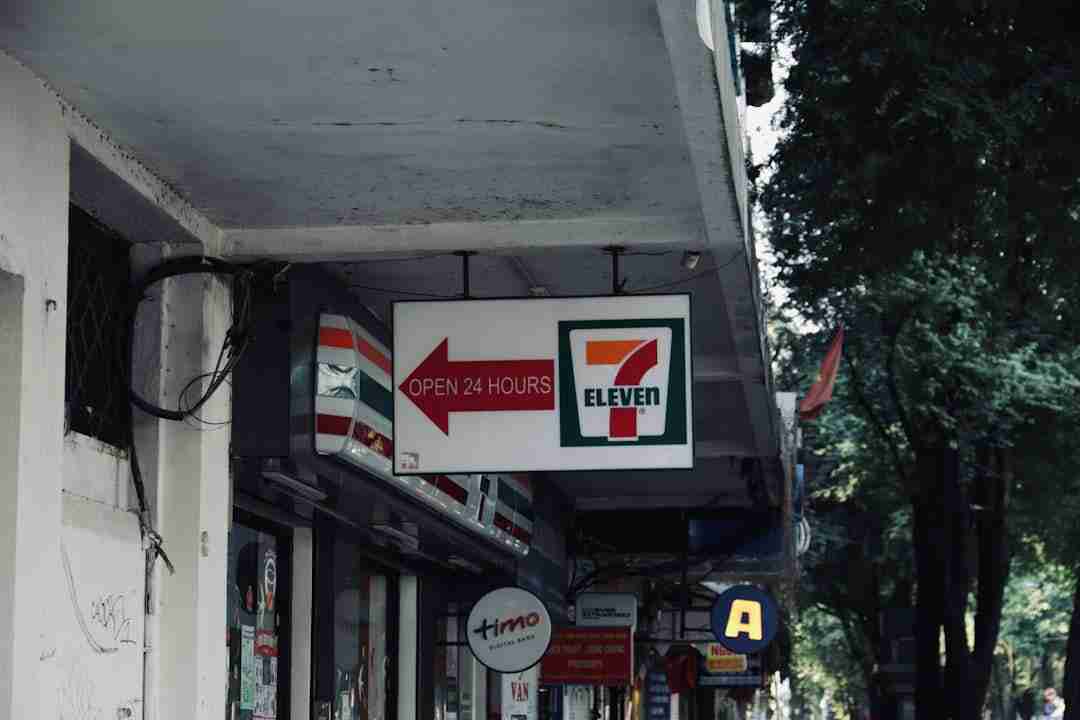
Imagine standing in the aisle of a foreign grocery store, surrounded by unfamiliar labels and brands, while your stomach growls impatiently. You didn't expect grocery shopping abroad to become a minor adventure, did you? But here's the reality: navigating grocery stores in another country can be an intriguing yet challenging experience. From deciphering labels to understanding local customs, it requires a bit of preparation and adaptability. Fortunately, there are practical strategies you can employ to make your overseas grocery shopping excursions both efficient and enjoyable.
Understanding Local Shopping Hours and Practices
Before setting foot in any grocery store abroad, it's essential to know the local shopping hours. Unlike the 24/7 convenience some may be accustomed to, many countries have specific hours and even days when stores are closed. In Germany, for example, most stores are shut on Sundays, while in Spain, siestas can lead to closures in the early afternoon. It's not just about when stores are open; it's about understanding local shopping practices. Some cultures prefer fresh markets over supermarkets, while others may have specific days for sales or discounts.
Researching this information can save you from unnecessary trips and help you align your shopping habits with local customs. Websites like TimeandDate provide information on public holidays and local traditions that might affect store hours.
Decoding Labels and Ingredients
One of the most daunting tasks when grocery shopping abroad is understanding product labels. Even if you're fluent in the local language, food labeling laws and terminology can differ significantly. For instance, in Europe, the "E-numbers" are used to denote food additives, which might be unfamiliar to those from other regions.
Consider using a translation app to help with real-time translation of labels. Apps like Google Translate can scan and translate text directly from your phone's camera, making it easier to identify ingredients and allergens. Additionally, familiarizing yourself with key terms related to dietary needs or preferences can be invaluable. For example, knowing how to say "gluten-free" or "contains nuts" in the local language can save you time and prevent potential mishaps.
Embrace Local Markets for Fresh Produce
While supermarkets offer convenience, local markets often provide fresher and sometimes cheaper produce. Farmers' markets, common in many European and Asian countries, are not only a place to buy fruits and vegetables but also to experience local culture. In France, for instance, markets are a way of life, with vendors offering everything from fresh baguettes to gourmet cheeses.
Shopping at these markets allows you to purchase seasonal produce, which is often more flavorful and nutritious. It's also an opportunity to interact with locals, practice some of the language, and perhaps discover a fruit or vegetable you've never tried before. Remember to bring cash, as many market vendors do not accept credit cards, and carrying a reusable shopping bag is both eco-friendly and practical.
Mastering the Art of Haggling
In many countries, especially in Asia and the Middle East, haggling is a common practice in markets and smaller shops. While it may feel uncomfortable at first, understanding the art of negotiation can lead to better deals and is often expected. In places like Morocco or Thailand, the initial price offered is often higher than what the vendor expects to receive.
Start by offering a price around 50% lower than the asking price, and be prepared to settle somewhere in the middle. Keep the interaction friendly and polite, and don't be afraid to walk away if the price isn’t right for you—vendors will often call you back with a better offer. Remember, haggling is an art form, not a battle.
Choosing the Right Payment Methods
Currency exchange and payment methods can be sources of confusion when grocery shopping abroad. While credit cards are widely accepted in many countries, some places still rely heavily on cash. In Japan, for instance, cash is still king, and many smaller establishments do not accept cards.
It's advisable to carry a small amount of local currency for smaller purchases or emergencies. Using a currency converter app can help you keep track of exchange rates and make informed decisions. Apps like XE Currency offer real-time exchange rate information and can be a handy tool during your travels.
Navigating Dietary Restrictions and Preferences
For those with specific dietary needs or preferences, shopping abroad can present additional challenges. Finding gluten-free, vegan, or lactose-free options may not always be straightforward in every country. However, with a bit of research, you can locate stores or sections within larger supermarkets that cater to these needs.
Websites and forums dedicated to expats often share valuable insights into where to find specialty products. Additionally, connecting with local expat communities through social media can provide recommendations and tips tailored to your dietary requirements. Don't hesitate to ask locals or store employees for assistance; many are happy to help and may introduce you to local alternatives you hadn't considered.
Apps and Tools to Simplify the Process
In today's digital age, technology can significantly ease the burden of grocery shopping abroad. Several apps are designed specifically to assist travelers with finding stores, translating labels, or even suggesting local recipes. TripAdvisor and Yelp can help you locate highly-rated grocery stores or markets in your area. Meanwhile, apps like Paprika Recipe Manager offer a way to organize recipes, create shopping lists, and manage meal planning efficiently.
These tools can streamline your shopping experience, allowing you to spend less time in stores and more time enjoying your travel adventures. Using technology to your advantage can transform what might seem like a daunting task into a manageable and even enjoyable activity.
Staying Mindful of Cultural Differences
Cultural sensitivity is key when shopping abroad. Recognizing and respecting local customs can enhance your experience and prevent misunderstandings. In some cultures, touching produce with bare hands is frowned upon, while in others, it's customary to greet shopkeepers upon entering a store.
Understanding these nuances can make a significant difference in how you're perceived as a customer. Observing and mimicking the behavior of locals can provide clues on how to navigate these situations. By being mindful of cultural differences, you're more likely to have positive interactions and a smoother shopping experience.
Taking Advantage of Loyalty Programs
Many grocery stores abroad offer loyalty programs that provide discounts or rewards for frequent shoppers. Signing up for these programs can be a cost-effective way to save money, especially if you're staying in one location for an extended period. In countries like the UK, stores like Tesco and Sainsbury's offer loyalty cards that accumulate points with each purchase, redeemable for discounts on future shopping trips.
While it may require filling out some paperwork or downloading an app, the savings can add up over time. Just ensure that the terms and conditions are understood, as some programs might require a local address or phone number.
The task of grocery shopping overseas doesn't have to be overwhelming. By understanding local practices, utilizing technology, and being open to new experiences, you can navigate foreign grocery stores with confidence. These strategies not only help in efficiently managing shopping trips but also provide a deeper connection to the local culture. So, whether you're a seasoned traveler or a first-time explorer, these tips ensure that grocery shopping abroad becomes a memorable part of your journey.