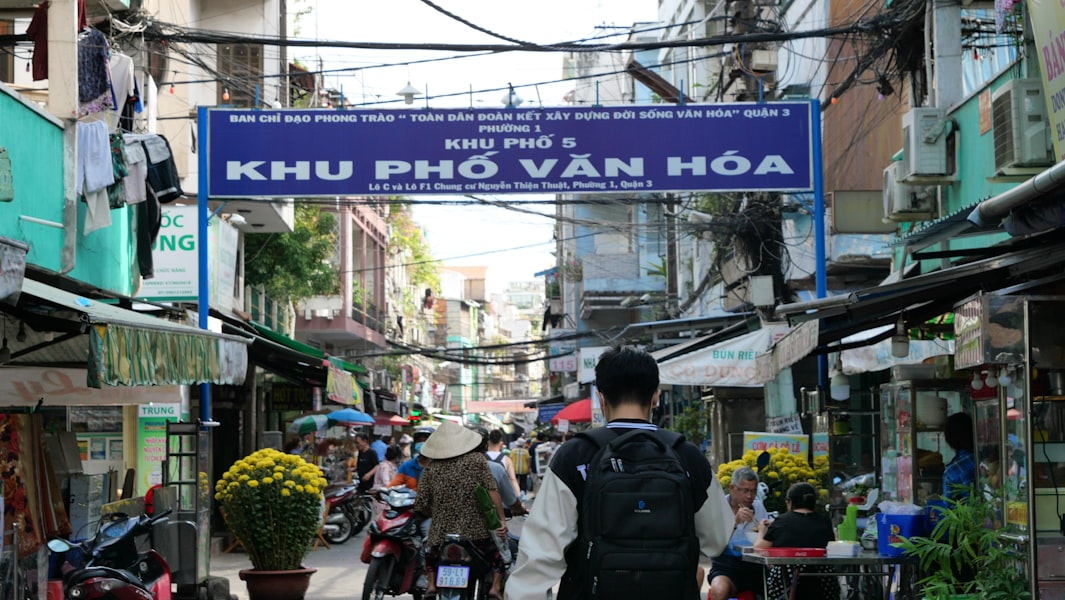
If you’re considering a move to Vietnam, congratulations! This fascinating country, with its rich culture, breathtaking landscapes, and bustling cities, offers a unique experience to expatriates from around the world. Whether you’re moving for work, retirement, or simply a change of scenery, this guide will help you navigate the logistics and practicalities of relocating to Vietnam.
Understanding the Basics
Climate
Vietnam’s climate can generally be split into two — the northern region experiences a distinct summer and winter, while the southern region has a tropical climate year-round. The country’s monsoon season typically lasts from May to September.
Cost of Living
One of the biggest draws to Vietnam for many expats is the low cost of living. Accommodation, food, transportation, and healthcare are significantly cheaper than in Western countries. For instance, a meal in a local restaurant could cost less than $2, while a monthly rental for a one-bedroom apartment in city center might range from $300 to $500.
Language
Vietnamese is the official language in Vietnam. While English is increasingly taught in schools and used in business settings, it’s beneficial to learn some basic Vietnamese phrases to help navigate daily life.
Getting Your Paperwork in Order
!
Before moving to Vietnam, you’ll need to secure the correct visa. This could either be a tourist visa, a business visa, or a work permit, depending on your circumstances. It’s crucial to research these requirements well in advance of your planned move.
Housing
In terms of housing, expats often choose to rent rather than buy property in Vietnam. Rental agreements are typically flexible, and finding an apartment or house that suits your needs and budget can be relatively straightforward. Websites such as Batdongsan.com.vn and Mogi.vn offer listings in English.
Transitioning to Life in Vietnam
Once you’ve sorted out the practicalities of visas and accommodation, there are other aspects of life in Vietnam to consider.
Food and Drink
Vietnamese cuisine is renowned worldwide for its flavors and diversity. From pho and banh mi to spring rolls and seafood, there’s a dish to suit every palate. Street food is a significant part of the culinary culture, and it’s a must-try for every expat.
Transportation
!
Public transportation in Vietnam is widely available and inexpensive. Buses and trains connect different parts of the country, while in cities, taxis and motorbike taxis are prevalent. However, many expats choose to buy or rent a motorbike as their primary mode of transport.
Healthcare
While the standard of healthcare in Vietnam’s major cities is improving, it may not be as high as you’re used to in your home country. Expats often choose to take out private health insurance and go to international clinics or hospitals for treatment.
Embracing the Local Culture
Living in Vietnam offers a fantastic opportunity to immerse yourself in a new culture. Celebrate traditional holidays like Tet (Vietnamese New Year), or participate in local customs such as lighting lanterns during the Full Moon Festival in Hoi An.
Conclusion: Key Takeaways for Moving to Vietnam
Moving to a new country is always a significant step, and Vietnam is no exception. Here are some key takeaways to keep in mind:
- Research and plan: Make sure you understand the visa requirements and cost of living before making the move.
- Learn the language: Even basic Vietnamese phrases can make your daily life much easier.
- Embrace the culture: Participate in local customs and traditions to get the most out of your experience.
Remember, moving to Vietnam, like any big move, will have its challenges. But with careful planning and an open mind, you’ll be well-prepared to make the most of this exciting new chapter in your life.


