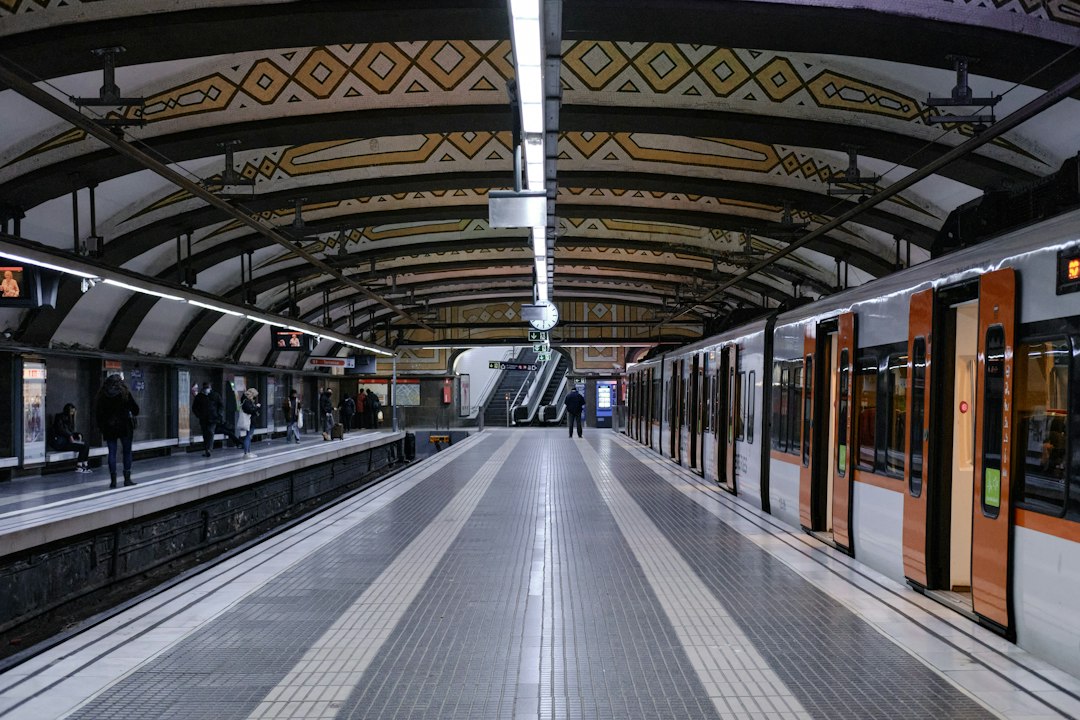
Imagine this: You're sipping a cortado in a bustling café in Lisbon, your laptop open, Wi-Fi strong, and your inbox finally under control. The best part? Your cost of living is significantly lower than you expected. One major reason? You've mastered the art of local public transport. For digital nomads, slashing living expenses is a game-changer, and public transit is your secret weapon.
The $50 Transport Challenge: How to Spend Less and See More
Let's start with a challenge. Aim to spend no more than $50 a month on transportation. It's not only possible, but it's also a great way to explore a city like a local. Many cities offer monthly transit passes that cost less than a single tank of gas. In Mexico City, a monthly pass is roughly USD 16. In Budapest, you'll spend about USD 30. These passes give you access to buses, trams, and metros, unlocking the city and slashing your transport budget.
Consider this: a single Uber ride might cost you more than a day's worth of public transit. Plus, with the money saved, you can treat yourself to local experiences like trying that delicious street food or visiting a museum. In cities like Berlin, with its efficient S-Bahn and U-Bahn networks, or in Bangkok, where the Skytrain offers panoramic views of the cityscape, public transport also becomes part of the adventure.
Don't overlook the potential savings from walking or biking short distances. Some cities, like Amsterdam and Copenhagen, are famously bike-friendly. Investing in a short-term bike rental can not only save money but offers a workout and an opportunity to see the city from a different perspective.
The Unexpected Perks of Public Transport: Beyond Saving Money
You're not just saving money. Public transportation offers unexpected perks that can enhance your digital nomad experience. For one, it forces you to interact with the local culture. You're surrounded by everyday life — the chatter of commuters, the smell of local snacks, the sights of neighborhoods you'd never find in a guidebook.
Public transit also encourages a more active lifestyle. Think of all the walking you'll do between stops, giving you a chance to stumble upon hidden gems. Imagine discovering a quaint bookshop tucked away in the alley or a local market brimming with fresh produce. And let's not forget the environmental impact. Each time you choose the metro over a cab, you're reducing your carbon footprint. It's a small step, but it adds up. In cities like Stockholm, which are renowned for their green initiatives, your choice to use public transport aligns you with the city's commitment to sustainability.
Why Google Maps Isn't Your Only Friend: Apps You Need to Download
Google Maps is great, but it's not infallible. Cities like Tokyo or Seoul have intricate transit systems that can baffle even seasoned travelers. That's where specific transit apps come into play. Citymapper is invaluable for navigating complex systems, providing real-time updates and the best routes. Moovit offers similar services, with the added bonus of local transit tips.
For those in European cities, Omio can help you find train routes, while Rome2rio lets you plan trips across multiple forms of transport, perfect for those spontaneous weekend getaways. These apps are designed to keep you moving efficiently, helping you avoid costly mistakes like hopping on the wrong train.
In addition to these, local city apps often provide insights into less crowded routes or lesser-known travel hacks. For instance, the Istanbul Metro app can guide you through the labyrinthine network of ferries, buses, and funiculars with ease. By diversifying your app arsenal, you ensure a smoother journey in any city.
Mastering the Language of Public Transit: Essential Phrases and Hacks
Not speaking the local language? No problem. Learn a few key phrases to navigate public transit smoothly. Phrases like "Where is the metro station?" or "How much is a ticket?" can be lifesavers. Use translation apps like Google Translate or iTranslate for quick help.
Another hack? Pay attention to the locals. If everyone seems to be heading to a particular exit or switching trains, follow them. It's often the quickest route. And when in doubt, don't hesitate to ask for help. Most people are happy to assist, especially if you make an effort with a simple "please" or "thank you" in their language.
In larger cities, you may encounter multiple dialects or languages. In places like Barcelona, knowing a bit of Catalan in addition to Spanish can be helpful. This small effort not only aids in navigation but also endears you to locals, who appreciate the attempt to bridge cultural gaps.
The Art of Timing: When to Travel and When to Stay Put
Timing is everything. Avoid peak hours when possible. Not only will you dodge the crowds, but you'll also enjoy a more pleasant ride. Mid-morning or mid-afternoon are typically the best times to travel.
If you're planning a longer journey, such as a train trip between cities, book in advance. Early bookings can sometimes secure tickets at a fraction of the last-minute price. In countries like Japan, the Japan Rail Pass offers exceptional value for those looking to explore multiple cities. And if you're working while traveling, consider setting your schedule around transit times. Use the commute for tasks that don't require Wi-Fi, freeing up your more stable hours for heavy-duty work.
The Social Side of Transit: Who Knew Commuting Could Be Networking?
Public transit isn't just about getting from A to B. It's a networking opportunity waiting to happen. Strike up a conversation with fellow commuters. You never know who you might meet — a potential client, a new friend, or someone with insider tips on the city.
Attend local events like language exchanges or meetups that are accessible via public transport. It's a great way to expand your network while exploring the city. Plus, these interactions often lead to recommendations for places off the beaten path, enhancing your experience.
For instance, in cities like Buenos Aires, known for their vibrant café culture, a chat on the bus might lead to an invitation to a hidden gem of a café or a tango event not listed in tourist brochures.
Overcoming the Fear Factor: Confidence Starts Here
The thought of navigating an unfamiliar transit system can be intimidating. But like any new skill, confidence grows with practice. Start with short trips and gradually tackle more complex routes.
You might get lost once or twice, but that's part of the adventure. Each mishap is a learning experience that makes you more adept. And remember, every seasoned traveler has a story of when they took the wrong bus or missed a stop. Embrace these moments; they often lead to the most memorable experiences.
Consider keeping a journal of your transit adventures. Not only does it help track your progress, but it also becomes a cherished record of your explorations and interactions.
Your Next Steps: Take Action Today
There's no time like the present to integrate public transit into your digital nomad lifestyle. Identify the city you're in or planning to visit. Research its public transport options and download the necessary apps. Set a budget goal for your transportation expenses and challenge yourself to stick to it.
By adopting public transit, you're not just cutting costs. You're diving deeper into local life, making your travels richer and more rewarding. So, next time you find yourself abroad, skip the taxi line and head straight for the metro. You'll save money, make new connections, and experience the city like never before.
Featured photo: [Photo by Pere Jurado on Unsplash](https://unsplash.com/@perejp?utm_source=bloggen_pro&utm_medium=referral).