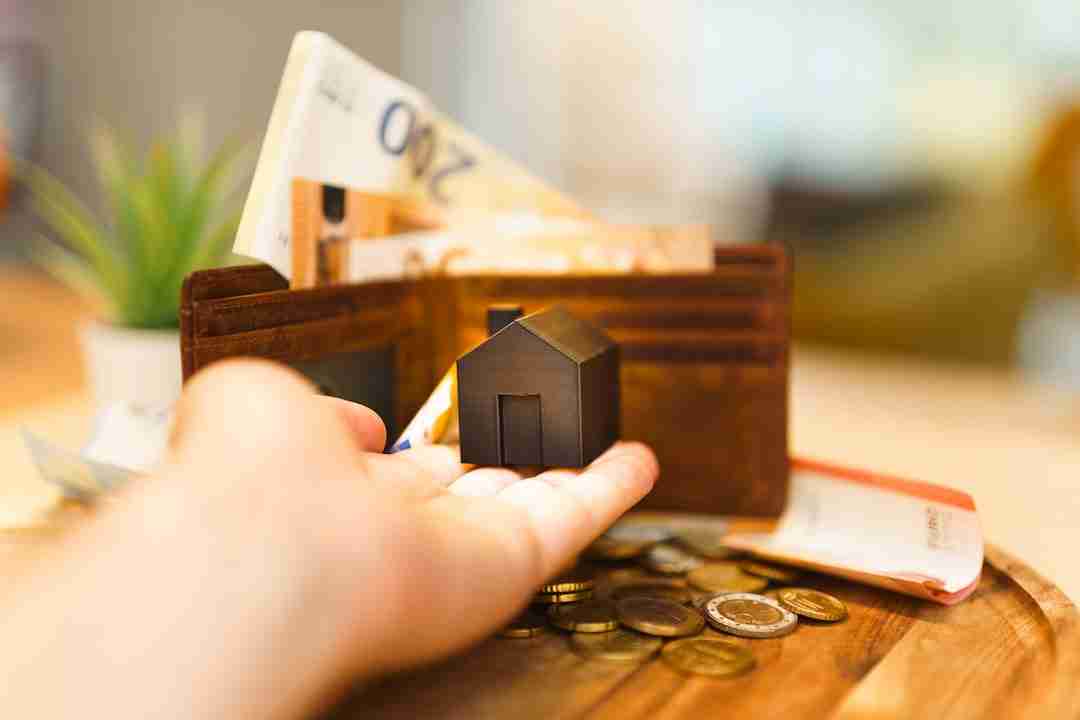
Imagine slashing your living expenses by 70% just by downsizing your space. A tiny house could be the ticket to financial freedom many are seeking. It's a radical shift, sure, but for those tired of rent or mortgage payments eating up their income, it's an enticing option. Experts suggest this approach not only lightens the financial burden but also adds a refreshing simplicity to life. Here’s how embracing tiny spaces can transform your cost of living strategy.
The Financial Impact of Living Small: Save Up to $1,000 a Month
Living in a tiny home can significantly reduce housing costs. Consider the average rent of a two-bedroom apartment in metropolitan areas, which often exceeds $1,500 per month. In contrast, a tiny house, even when financed, might cost around $500 monthly. This drastic reduction leaves an additional $1,000 in your pocket each month.
Tiny homes typically range from 100 to 400 square feet, meaning less space to heat, cool, and furnish. Utility bills can drop by around 50%, and with less space to fill, the urge to buy excess furniture or decor diminishes. The savings extend beyond housing costs—lower expenses mean more funds for savings, investments, or experiences.
For example, by reallocating the savings from reduced housing costs, you could potentially pay off credit card debt or student loans faster. This financial freedom allows for a more substantial emergency fund or increased contributions to retirement accounts, paving the way for a more secure financial future.
Building or Buying: What’s the Cost?
Building a tiny home can be much less expensive than traditional housing. On average, constructing a tiny house costs between $20,000 and $50,000, depending on materials and customization. Many opt for DIY builds, cutting costs further, though this requires time, patience, and skill. For those preferring a move-in-ready option, pre-built tiny homes are available, often priced between $40,000 and $100,000.
Financing options for tiny homes are expanding. Some companies offer specialized tiny home loans, while others might accept personal loans or RV loans. However, because tiny homes aren't typically considered real estate, traditional mortgages might not apply.
It's essential to weigh the pros and cons of building versus buying. Building allows for personalization but requires significant effort and expertise. Buying, while more convenient, might limit customization options. Consider visiting tiny home expos or consulting with builders to explore what suits your needs best.
Downsizing Possessions: The Art of Minimalism
Living small necessitates a minimalist lifestyle. This means evaluating possessions and determining what truly adds value. Start by decluttering—sell, donate, or recycle items not used in the past year. Experts recommend the "one-in, one-out" rule: for every new item brought into the home, one must go.
The process can be liberating. Many find that reducing clutter reduces stress and enhances focus. Moreover, minimalism extends beyond physical items. Consider digital decluttering by organizing files and photos or unsubscribing from unnecessary emails.
Practical tips for effective downsizing include starting with one room at a time and setting specific goals, such as eliminating duplicates or unused items. Involving family members in the process can also lead to shared decision-making and a collective effort in embracing a minimalist lifestyle.
Strategic Location: Where to Park Your Tiny Home
Choosing the right location for a tiny home is key. Some opt for rural settings, where land is affordable and zoning laws are more lenient. Others prefer communities specifically designed for tiny homes, offering shared amenities and a sense of community.
Research local zoning laws before deciding. Some areas have restrictions on dwelling sizes, while others embrace the tiny living movement. Websites like Tiny House Listings offer resources on available land and communities.
Living off-grid is another option, reducing costs further. Solar panels, composting toilets, and water collection systems allow for complete independence from traditional utilities.
For those interested in urban settings, consider the possibility of placing a tiny home in a backyard as an accessory dwelling unit (ADU). This option might require navigating specific regulations and permits, but it provides proximity to urban conveniences while enjoying the benefits of tiny living.
Maximizing Small Spaces: Design Hacks That Work
Designing a tiny home involves maximizing every inch of space. Professionals suggest using multifunctional furniture, such as sofa beds or fold-out tables. Vertical storage solutions, like wall-mounted shelves or hanging racks, free up valuable floor space.
Consider using light colors and mirrors to create an illusion of more space. Large windows can also enhance the feeling of openness, allowing natural light to flood the home.
Incorporating these design elements can make a tiny space feel surprisingly spacious and comfortable. And remember, personal touches make it a home, so include elements that reflect personality and lifestyle. For instance, custom-built storage solutions can accommodate hobbies or collections, ensuring that the home remains functional and enjoyable.
The Long-Term Benefits: Financial and Beyond
The financial benefits of living small extend beyond immediate savings. With lower expenses, it becomes easier to pay off debts, save for retirement, or build an emergency fund. The reduced environmental impact of a tiny home aligns with sustainable living goals.
Living in a tiny home encourages a lifestyle focused on experiences rather than possessions. This shift can lead to increased satisfaction and well-being.
Moreover, the simplicity of a tiny home fosters closer connections with family and friends. With less space to retreat, occupants often spend more quality time together, strengthening relationships.
Consider the environmental advantages as well. Tiny homes typically require fewer building materials and consume less energy, contributing to a smaller carbon footprint. This aligns with a growing desire for eco-friendly living practices and can be a significant motivator for choosing tiny living.
Getting Started: Your First Steps Toward Tiny Living
Transitioning to a tiny home requires thoughtful planning. Begin by researching and identifying what appeals most about tiny living. Is it the financial savings, minimalism, or sustainability? Understanding motivations can guide decisions.
Next, assess finances to determine a realistic budget for building or buying. Consider consulting with tiny home builders or visiting tiny home expos for insights.
Finally, start downsizing. This step can be gradual but should focus on reducing clutter and embracing a minimalist mindset.
When planning your transition, remember to engage with online communities or forums dedicated to tiny living. These platforms offer valuable advice, share experiences, and provide encouragement throughout your journey.
Living small is more than a housing choice; it's a lifestyle strategy. For those ready to cut costs and simplify life, tiny homes offer a viable solution. By carefully considering location, design, and lifestyle priorities, you can embark on this journey with confidence.
Today, take one step toward tiny living. Begin decluttering a single room, or explore tiny home communities online. Even small actions can significantly impact the pursuit of financial freedom and simplicity.
Every journey begins with a single step, and the path to living small is no exception. Embrace the change, and the rewards of a simpler, more financially secure life will follow.


