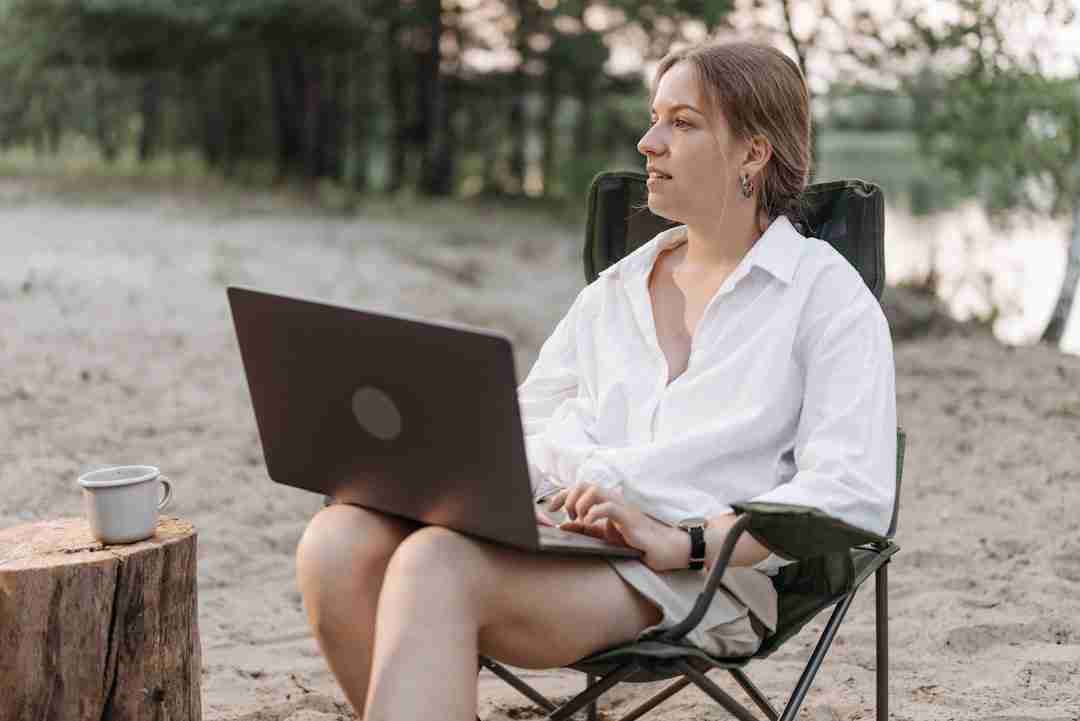
Imagine waking up each day to the soothing sound of ocean waves, sipping coffee on a sunlit balcony, and then heading to work—just a few steps away from your hammock. This idyllic lifestyle is no longer just a dream for retirees or the ultra-wealthy. Thanks to the rise of remote work, living beachside while earning a decent income is more achievable than ever. But how does one transform this dream into reality without the security of a traditional office job?
Getting Started Without the Overwhelm
Deciding to relocate to a beachside location and work remotely is a significant life change. The first step is understanding what remote income means. It's not limited to freelancing or running an online business. Remote income encompasses various streams, such as consulting, remote employment, or even teaching online. To make informed decisions, consider starting with a skill inventory. List skills that can be monetized online—writing, graphic design, coding, or digital marketing, for instance.
Once you've identified your marketable skills, research platforms where these skills are in demand. Websites like Upwork and Fiverr are great starting points for freelancers. For remote jobs, platforms like Remote.co and We Work Remotely list numerous opportunities across various fields.
Here's a quick tip: Narrow your search by focusing on niches where your skills stand out. This increases your chances of finding work that suits your expertise and pays well. For example, if you are a graphic designer with a knack for branding, seek out clients specifically in need of brand redesigns or logo creation. Such specialization not only makes you more attractive to potential clients but also allows you to hone your skills in a specific area.
Setting Up Your Remote Workspace
Setting up a functional workspace is crucial to maintaining productivity when living beachside. It's not just about having a laptop and Wi-Fi. Consider investing in a reliable internet connection, a comfortable chair, and noise-canceling headphones to minimize distractions. The right workspace can significantly boost your efficiency and creativity, turning your beachside dream into a productive reality.
For those who need a more structured environment, coworking spaces might be the answer. These spaces provide a professional setup and an opportunity to network with other remote workers. Websites like Coworker can help find local coworking spaces worldwide. Some coworking spaces even offer amenities like meeting rooms, ergonomic furniture, and free coffee, enhancing your working experience.
A practical takeaway: Establish a routine and stick to it. Consistency helps maintain a work-life balance, especially when the beach is calling. For instance, you might choose to work during the cooler morning hours, leaving afternoons free for a swim or a stroll along the shore. This not only keeps you motivated but also ensures that your work does not encroach on your relaxation time.
Common Challenges and How to Address Them
Remote work isn't without its challenges. One common issue is time management. Without the structured hours of an office job, it's easy to procrastinate or overwork. Tools like Trello for task management and RescueTime for tracking productivity can help you stay on track. Creating a daily or weekly schedule with set goals can provide the discipline needed to keep tasks in check.
Another challenge is isolation. Working remotely can be lonely, especially if you've moved to a new place. Joining local groups or online communities can provide social interaction and support. Platforms like Meetup offer opportunities to connect with like-minded individuals. Consider joining local events or virtual meetups focused on hobbies or interests you enjoy, which can help you build a community and feel less isolated.
And let's not forget about taxes. Living beachside doesn't exempt you from tax obligations. It's wise to consult with a tax professional familiar with remote work to understand your liabilities, especially if you're working for a company based in another country. They can offer advice on how to navigate complex tax situations, such as dual taxation agreements or claiming work-related expenses.
When This Approach Falls Short
While the idea of a beachside office is appealing, it's not for everyone. Some find the lack of a traditional work environment challenging. The distractions of a beautiful location can also impact productivity. Those who thrive on routine and face-to-face interactions might struggle with this lifestyle.
Moreover, not all industries offer the flexibility needed for remote work. Before making the leap, assess whether your career choice aligns with remote opportunities. If not, consider upskilling or pivoting to a field that offers more remote work options. Online courses and certifications can provide the skills needed to transition to a more remote-friendly career path.
Consider this: A trial run before committing can provide valuable insights. Spend a few weeks working remotely from a beachside location to see if it suits your lifestyle and work habits. This period of adjustment can reveal whether the beachside lifestyle truly aligns with your professional and personal needs.
The Practical Reality
Living beachside and working remotely requires careful financial planning. Cost of living varies significantly by location. In some regions, a beachfront apartment might be affordable, while in others, it could be prohibitively expensive. Research shows that places like Mexico, Thailand, and Portugal offer a lower cost of living compared to coastal cities in the U.S. or Europe. It's important to factor in not only rent but also the cost of utilities, groceries, and transportation.
Budgeting for this lifestyle involves more than just rent. Consider healthcare, utilities, and daily expenses. Use budgeting tools like Mint to keep track of your finances and ensure you're living within your means. Regularly reviewing your budget can help you identify areas where you might be overspending and allow you to make necessary adjustments.
Here's a practical takeaway: Always have a financial cushion. Unexpected expenses can arise, and having savings can prevent stress and allow you to enjoy your beachside life. Whether it's a medical emergency, travel costs, or a sudden dip in income, a financial safety net can provide peace of mind.
Making the Transition
Transitioning to a remote, beachside lifestyle isn't just about logistics; it's also a mental shift. It's important to set realistic expectations and embrace flexibility. Things might not go as planned, and that's okay. Being adaptable will make the transition smoother. Consider creating a checklist of essential tasks and goals to accomplish before and after the move to ensure you're fully prepared for this new chapter.
Networking with others who have made similar moves can provide invaluable tips and insights. Online forums and social media groups focused on digital nomads and remote workers can be a great resource. Engaging with these communities can offer support and practical advice. You might even find potential collaborators or business opportunities through these connections.
And don't forget about time zones. If you're working with clients or teams in different parts of the world, managing time zones is essential. Tools like World Time Buddy can help schedule meetings and deadlines efficiently. Being mindful of time differences can prevent miscommunications and ensure smooth collaboration.
What Research Actually Shows
Research indicates that remote workers often report higher job satisfaction and a better work-life balance. A study by FlexJobs found that 65% of respondents are more productive in their home office than in a traditional office space. However, maintaining this productivity requires discipline and the right tools. Setting clear boundaries between work and leisure time can help sustain this productivity over the long term.
Living in a location that offers natural beauty can enhance mental well-being. Studies suggest that proximity to nature reduces stress and promotes happiness. Therefore, a beachside lifestyle isn't just about work—it's also about health and happiness. Taking regular breaks to enjoy the beauty around you can recharge your mental and physical energy, leading to improved focus and creativity.
But remember, this lifestyle isn't a one-size-fits-all solution. It's important to tailor your approach based on personal needs and circumstances. Regularly reassessing your work-life balance and adjusting as needed can lead to long-term satisfaction. By being aware of your personal and professional needs, you can create a sustainable and fulfilling beachside work lifestyle.
In conclusion, living beachside while earning dollars through remote work is a viable option for many. It requires planning, adaptability, and a willingness to embrace new ways of working. By taking concrete steps and leveraging the right tools and resources, this dream can become a rewarding reality. Start today by assessing your skills, exploring opportunities, and setting up a workspace that inspires productivity and creativity. The beach isn't just for vacations anymore—it's the new frontier for those seeking a fulfilling work-life blend.