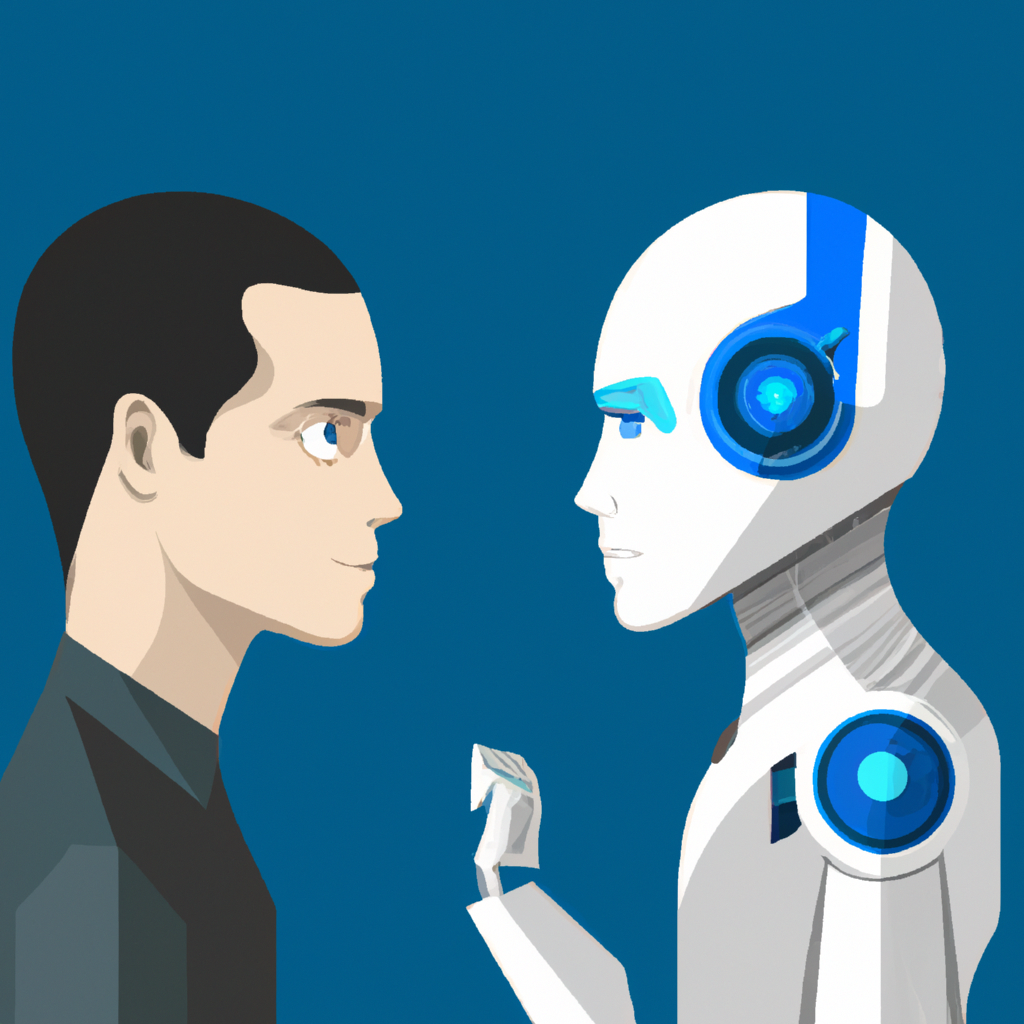
As the digital age accelerates, the conversation surrounding artificial intelligence (AI) and its impact on employment becomes increasingly relevant and urgent. Is AI really replacing jobs? This question resonates with many people across various industries, from manufacturing to finance, as they grapple with the realities of automation and technology. While AI is undoubtedly reshaping the workplace, the narrative is far more complex than a simple replacement of human jobs by machines. Understanding the nuances of AI’s influence on employment trends is crucial for both employees and employers to navigate this transformative era effectively.
AI’s Role in the Modern Workplace
AI technologies are being integrated into the workplace at an unprecedented rate. They can analyze data, recognize patterns, and perform tasks that traditionally required human intelligence. For example, in the banking industry, AI algorithms can process loan applications, assess credit risks, and even detect fraudulent transactions more efficiently than human analysts. This shift has sparked concerns about job displacement, with many fearing that AI will take over roles that were once secure.
However, AI’s role in the workplace is not solely about replacement. In many cases, AI serves to augment human capabilities, allowing employees to focus on more strategic, creative, and complex aspects of their jobs. This symbiotic relationship between humans and machines can lead to increased productivity and innovation, ultimately benefiting both businesses and their employees.
Enhancing Job Efficiency
For instance, consider the impact of AI on administrative tasks. In the past, much time was spent on data entry, scheduling, and routine correspondence. AI tools like automated scheduling systems and natural language processing algorithms have streamlined these tasks. Employees can now allocate more time to higher-value activities such as strategic planning and client engagement. This shift not only enhances efficiency but also increases job satisfaction as employees feel more engaged and less bogged down by mundane tasks.
Case Study: AI in Healthcare
The healthcare industry offers a compelling case study of AI’s impact on employment. With the advent of AI-powered diagnostic tools, doctors and medical professionals can now diagnose diseases with greater accuracy and speed. For instance, AI algorithms can analyze medical images, such as X-rays and MRIs, to detect anomalies that might be missed by the human eye. This has raised concerns about whether AI will replace radiologists and other specialists.
However, rather than replacing these professionals, AI is enhancing their abilities. Radiologists can now rely on AI to handle routine image analysis, freeing up their time to focus on more complex diagnostic tasks and patient interactions. Moreover, AI’s ability to process vast amounts of data quickly can lead to earlier detection of diseases and more personalized treatment plans, ultimately improving patient outcomes.
Real-World Application: IBM Watson in Oncology
A practical example of AI in healthcare is the use of IBM Watson for Oncology. This AI system assists oncologists by providing evidence-based treatment options for cancer patients. It analyzes patient data against a vast database of medical literature, clinical trials, and expert opinions. While it does not replace oncologists, it serves as a decision-support tool, enabling doctors to make more informed treatment decisions and offering patients a broader range of care options.
The Impact on Manufacturing Jobs
Manufacturing has historically been a sector where fears of automation-induced job loss are most pronounced. The introduction of AI-driven robotics and automated assembly lines has transformed the industry, leading to significant reductions in the need for manual labor. But is AI really replacing jobs in manufacturing?
In reality, while some roles have been eliminated, new opportunities have emerged. The demand for skilled technicians to maintain and program these sophisticated machines has increased. Workers who once performed repetitive tasks on the assembly line are now being retrained for roles that require technical expertise. Many companies are investing in upskilling programs to ensure their workforce can adapt to the changing landscape.
Case Study: Adidas’ Speedfactory
Adidas’ Speedfactory is a prime example. The facility uses AI and robotics to produce customized footwear with incredible efficiency. While this has reduced the need for traditional assembly line workers, it has created roles for technicians who oversee and maintain the automated systems. Additionally, the increased production capabilities have allowed Adidas to bring manufacturing closer to their consumer markets, creating new logistics and supply chain roles.
AI and Creative Industries
One might assume that creative industries, which thrive on human ingenuity, would be immune to AI’s influence. However, AI is making significant inroads here as well. From music composition to graphic design, AI tools are being used to generate creative content. For example, AI algorithms can compose music that mimics the style of famous composers or create artwork based on specific parameters.
Rather than rendering artists obsolete, these tools are being embraced as a way to push the boundaries of creativity. Musicians use AI to explore new sounds and compositions, while designers leverage AI to enhance their creative processes. The collaboration between human creativity and AI capabilities often leads to innovative outcomes that wouldn’t be possible through traditional methods alone.
Example: AI in Film Production
In the film industry, AI is being used to streamline the production process. Script analysis tools can predict a film’s success by analyzing trends and audience preferences. AI is also used in post-production, where algorithms can automate editing tasks like scene selection and color correction, allowing editors to focus on more nuanced creative decisions. This synergy between AI and human creativity can result in more compelling and innovative storytelling.
Strategies for Navigating AI-Driven Change
As AI continues to evolve, both employees and employers need to adopt strategies to thrive in this new landscape. Here are some actionable steps to consider:
Embrace Lifelong Learning
The key to thriving in an AI-driven world is adaptability. Employees should commit to lifelong learning and continuously update their skills. This might involve enrolling in online courses, attending workshops, or pursuing certifications in areas such as data analytics, machine learning, or AI programming. By staying informed about technological advancements, workers can position themselves as valuable assets in any industry.
Foster a Culture of Innovation
For organizations, fostering a culture of innovation is essential. Encourage employees to experiment with AI tools and explore how they can be integrated into existing workflows. Create an environment where failure is seen as a learning opportunity, and innovation is rewarded. This approach not only helps employees feel more secure in their roles but also drives business growth through the discovery of new efficiencies and capabilities.
Prioritize Human-Centric Roles
While AI can handle many tasks, human-centric roles that require empathy, critical thinking, and interpersonal skills remain invaluable. Employers should prioritize these roles and invest in training programs that enhance these skills among their workforce. By focusing on the unique human qualities that AI cannot replicate, businesses can ensure their continued relevance in the market.
Real-World Example: AI in Customer Service
AI’s impact on customer service is a prime example of how technology can enhance rather than replace human roles. Chatbots and virtual assistants are now commonplace, handling routine inquiries and support tasks. This automation allows human agents to focus on more complex customer issues that require personalized attention and problem-solving skills.
For instance, a telecommunications company implemented an AI-driven chatbot to manage basic customer queries. As a result, human agents reported higher job satisfaction as they could devote more time to resolving challenging issues and building stronger relationships with customers. This example underscores the potential for AI to elevate the quality of human-centered services rather than diminish them.
Case Study: H&M’s Use of AI in Inventory Management
H&M, the global fashion retailer, has embraced AI to optimize its inventory management. By using AI algorithms to analyze sales data and predict fashion trends, H&M can better align its inventory with consumer demand. This not only reduces waste but also ensures that staff can focus on enhancing the customer experience in-store, providing personalized fashion advice and styling services.
The Future of Work in an AI-Driven World
Looking ahead, the future of work will likely be characterized by a dynamic interplay between human workers and AI technologies. While some jobs will inevitably be automated, new roles will emerge that capitalize on human creativity, emotional intelligence, and strategic thinking. The key to success lies in adaptability and a willingness to embrace change.
Encourage Cross-Disciplinary Collaboration
To fully harness the potential of AI, organizations should encourage cross-disciplinary collaboration. By bringing together teams from diverse backgrounds, companies can foster innovation and develop AI solutions that are informed by a wide range of perspectives. This collaborative approach ensures that AI technologies are developed and implemented in ways that benefit both businesses and their employees.
Invest in Ethical AI Practices
As AI becomes more integrated into the workplace, ethical considerations must be at the forefront. Organizations should prioritize transparency and fairness in AI decision-making processes, ensuring that these technologies are used responsibly and without bias. By adopting ethical AI practices, businesses can build trust with both employees and customers, ultimately enhancing their reputation and long-term success.
Actionable Takeaways
1. Commit to Lifelong Learning: Stay informed about AI advancements and continuously update your skills to remain competitive in the job market.
2. Embrace Innovation: Encourage a culture of experimentation and innovation within your organization to discover new efficiencies and opportunities.
3. Focus on Human-Centric Roles: Prioritize roles that require empathy, critical thinking, and interpersonal skills, as these remain irreplaceable by AI.
4. Foster Cross-Disciplinary Collaboration: Bring together diverse teams to leverage a wide range of perspectives in AI development and implementation.
5. Adopt Ethical AI Practices: Ensure transparency and fairness in AI decision-making to build trust and maintain a positive reputation.
In conclusion, while AI is undoubtedly reshaping the employment landscape, it is not simply a matter of replacement. By understanding and embracing the changes that AI brings, both employees and employers can navigate this transition successfully, ensuring a future where humans and machines work together harmoniously to drive progress and innovation.