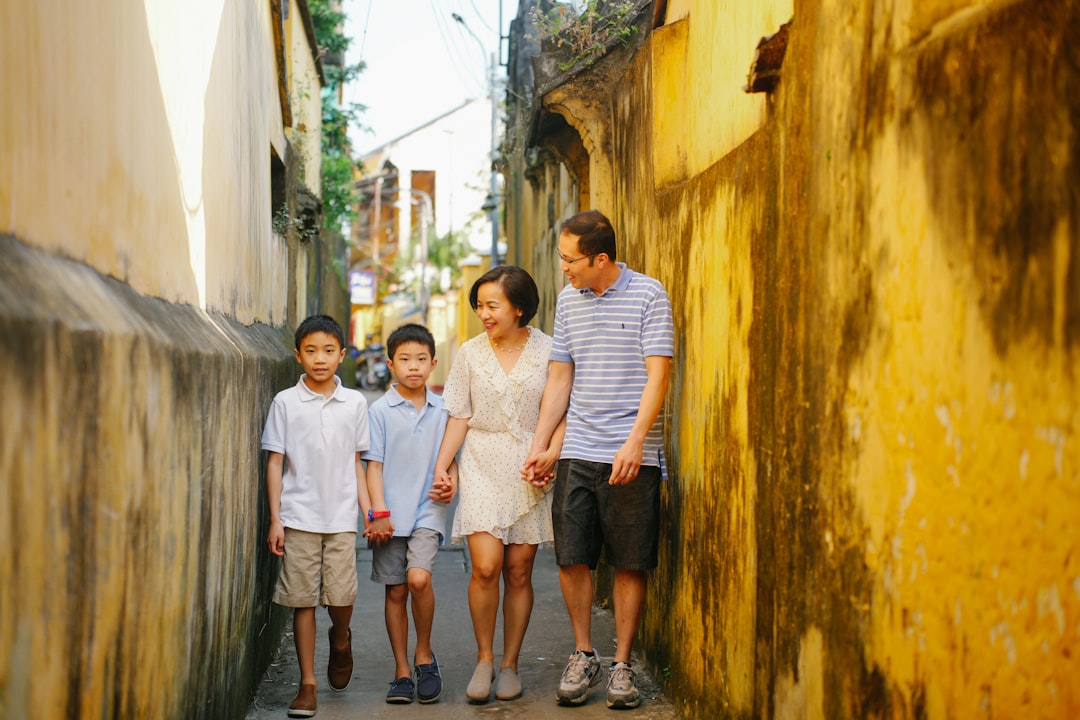
Imagine waking up to the sound of roosters instead of car alarms, sipping your morning coffee while watching the sunrise over distant mountains, and chatting with locals who might not speak your language but always greet you with a smile. This isn’t some distant dream; it’s the daily reality for many families who’ve embraced the expat lifestyle. But let’s be real—it’s not all tropical beaches and cultural experiences. Living abroad with your family comes with its own set of challenges. So, how do you know if an expat lifestyle is right for your family?
The Allure of a New Adventure
First, let’s talk about the excitement that comes with starting fresh in a new country. It’s exhilarating. You’re not just visiting for a week; you’re living there. New cultures, traditions, and foods become part of your daily routine. Kids can learn a new language fluently just by playing with their friends at school. The family gets to explore places you only ever saw on the Discovery Channel. It sounds perfect, right?
In my experience, that initial rush is like a honeymoon phase. Everything is new and fascinating. But like any honeymoon, it eventually gives way to the “real life” phase. That’s when the adventure is still there, but you’re also dealing with everyday challenges like setting up a bank account or navigating the local healthcare system. This is where it gets tricky.
Take the case of the Johnsons, a family from Ohio who moved to Italy. They were initially enamored by the vibrant culture, the historic architecture, and the delicious food. However, they soon realized that the Italian bureaucracy was more complex than they anticipated. From obtaining residency permits to figuring out the local banking system, they faced hurdles that tested their patience and adaptability.
Why Most People Get This Wrong
A lot of folks jump into the expat life thinking it’s going to magically solve all their problems. Job stress? Poof, gone. Relationship issues? Not in Bali! But the truth is, the challenges you face at home can follow you, and sometimes they even multiply.
Take a friend of mine, for example. She and her family moved to Thailand hoping for a slower pace of life. But they didn’t consider how the slower pace could affect their career ambitions. The local job market wasn’t as accommodating as they’d hoped, and that led to a lot of stress.
Similarly, the Rodriguez family from Texas moved to Costa Rica with dreams of a laid-back lifestyle. They underestimated the impact of the language barrier on their professional lives, which complicated job opportunities and social interactions. They learned the hard way that moving abroad doesn’t automatically erase past issues—in fact, it can sometimes spotlight them.
The key here is setting realistic expectations. An expat lifestyle can offer a fresh start, but it’s not a free pass from life’s complexities. Are you willing to accept that?
The Part Nobody Mentions
You might not hear this often, but one of the biggest challenges is feeling isolated. You’re far from your support network. Sure, there are video calls and social media, but it’s not the same as dropping by a friend’s house for a cup of coffee when you need to vent.
For families, this can be especially tough. Kids miss their friends, and parents miss their community. And let’s be honest, making new friends as an adult isn’t easy. It takes time to build relationships, especially when you’re in a different culture. Can you handle feeling like an outsider for a while?
The Thompsons, who relocated to Japan, found themselves struggling with this issue. Their children faced difficulties in school, not just academically but socially, as they navigated a completely different cultural landscape. The parents, too, found it challenging to form meaningful connections, often feeling like outsiders despite their efforts to engage with the local community.
What Actually Works
So, what helps families not just survive but thrive in a new country? Flexibility and openness are your best friends. You can’t expect everything to go as planned, because it won’t. Plans fall apart, and you’ll need to adapt on the fly.
Another thing I’ve noticed is that families who immerse themselves in the local culture tend to have a smoother transition. This means going beyond tourist spots. Enroll your kids in local schools, learn the language, and participate in community events. It’s a bit like learning to swim by jumping into the deep end, but it works.
The Martins, a family from Canada, moved to Ecuador and decided to fully embrace the local lifestyle. They enrolled their children in local schools and participated in neighborhood fiestas and community service projects. This immersion not only accelerated their children’s language acquisition but also helped them form lasting friendships and a sense of belonging.
The Financial Reality Check
Let’s talk money. The financial aspect of moving abroad is often an afterthought for many. Sure, some countries boast a lower cost of living, but moving and settling in isn’t cheap. There are relocation costs, housing, school fees, and unexpected expenses.
A friend of mine learned this the hard way. Their family budgeted for the basics but forgot to factor in the cost of flights back home for holidays or emergencies. Those unexpected costs can really add up.
Consider the case of the Lees, who moved to Singapore. They were surprised by the high cost of international schools and healthcare, which strained their budget. They had to make significant lifestyle adjustments, including downsizing their living arrangements and prioritizing expenses, to make ends meet.
Before you make the leap, get your finances in order. Have a safety net, and be prepared for the unexpected. Because trust me, the unexpected will happen.
Schooling and Education Challenges
Education is a biggie for families moving abroad. The quality and style of education vary dramatically from country to country. Some families choose international schools to give their kids a familiar curriculum, but these can be expensive. Others opt for local schools to immerse their children in the culture.
One family I know chose a local school in Spain for their kids, thinking they’d pick up Spanish quickly. But the transition was harder than anticipated, and it took a toll on their kids’ confidence and academic performance initially. On the flip side, they eventually became fluent, which opened up a world of opportunities.
Similarly, the O’Neills relocated to Germany and faced a tough decision between public schools and international ones. They opted for a bilingual program in a local school, which was a challenging adjustment at first but eventually paid off as their children became fluent in both English and German, enhancing their future educational and career prospects.
So ask yourself, what’s more important for your family: maintaining educational consistency or embracing a new experience?
Growing Together or Growing Apart?
The expat lifestyle can be a bonding experience, or it can create a rift. You’re in unfamiliar territory, and everyone in the family might react differently. Some might adapt quickly, while others struggle. It’s crucial to keep communication open. Have family meetings or check-ins, and make sure everyone gets to voice their concerns and excitement.
In my experience, the families that grow closer are the ones that make an effort to understand each other’s experiences and feelings. They make time for shared adventures and create new traditions together.
The Parkers, who moved to New Zealand, found that their weekly family hikes in the stunning landscapes helped them bond and adjust to their new environment. These shared experiences became cherished memories that strengthened their familial ties.
But sometimes, even with the best intentions, families can grow apart. It’s a risk that comes with the territory.
Will You Regret Not Trying?
Ultimately, one of the biggest questions is, will you regret not trying? The what-ifs can weigh heavy. I’ve found that most people regret the things they didn’t do more than the things they did.
Consider the Bennetts, who hesitated for years before finally deciding to move to Portugal. They now reflect on their journey as one of the most enriching experiences of their lives, despite the challenges they faced. They often say their only regret is not making the move sooner.
Moving your family abroad is a big decision, and it’s not for everyone. It’s a leap into the unknown, with all the excitement and fear that comes with it. But for some, it’s the best decision they ever made, opening up a world of experiences and learning that they couldn’t have imagined otherwise.
So, is an expat lifestyle right for your family? There’s no one-size-fits-all answer. Weigh the pros and cons, have honest conversations with your family, and trust your gut. Whatever you decide, make sure it’s a choice you’re willing to embrace wholeheartedly.


